Address
Building 1, Zone 1, Greenland Binhu International City, Zhengzhou, Henan, China
Work Hours
Monday to Friday: 9AM - 7PM
Weekend: 10AM - 6PM
Address
Building 1, Zone 1, Greenland Binhu International City, Zhengzhou, Henan, China
Work Hours
Monday to Friday: 9AM - 7PM
Weekend: 10AM - 6PM

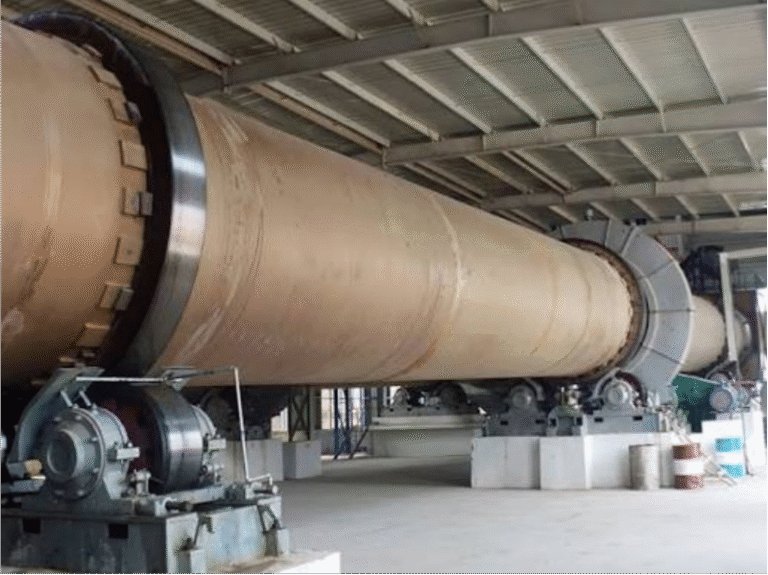
Cement rotary kilns operate under long-term high temperatures, heavy loads, and open-air conditions. Common problems mainly focus on mechanical transmission, kiln structure, thermal processes, and lubrication and cooling. Mechanical Transmission and Support System Failures Failures in the mechanical transmission and…
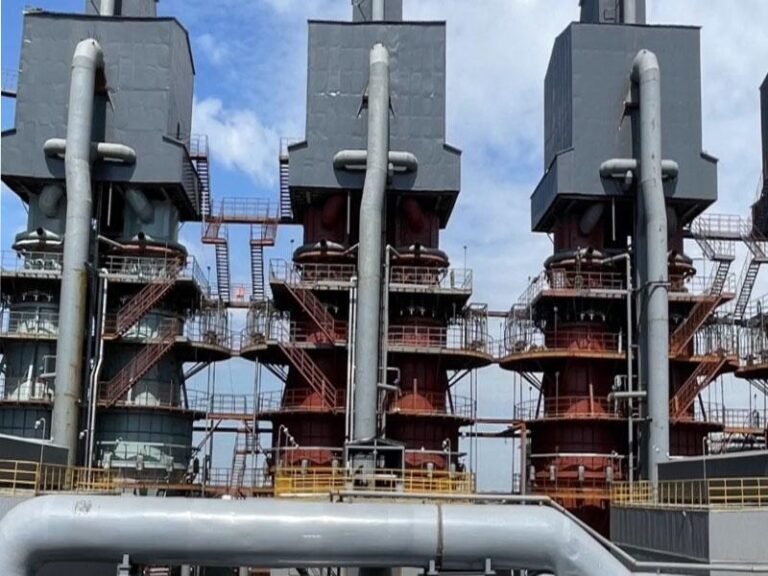
The operating conditions of different parts of a vertical kiln vary significantly, and the selection of refractory bricks must consider thermal shock resistance, abrasion resistance, and chemical corrosion resistance. Based on existing technical data, the commonly used refractory brick configurations…
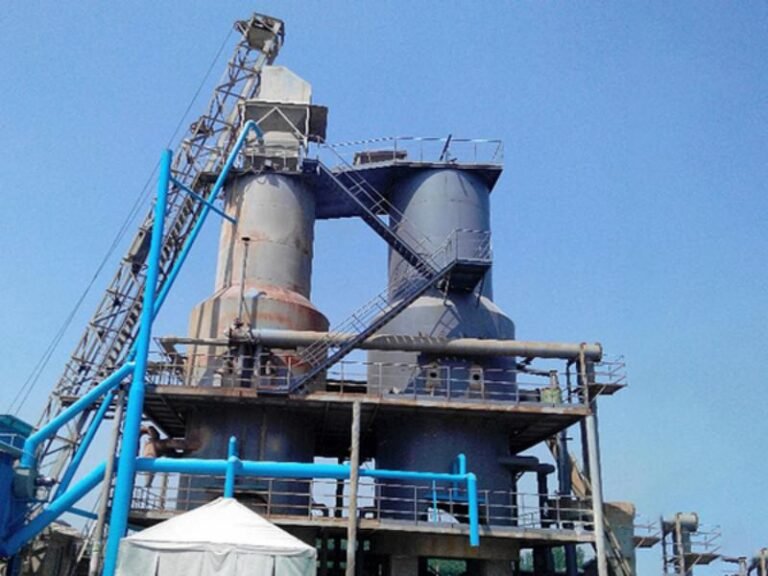
A vertical kiln is a vertically mounted, fixed, continuous calcination thermal equipment. Its core applications are concentrated in three major areas: cement clinker, lime, and refractory raw materials, and it is expanding into metallurgy, chemical industry, and waste treatment. Cement…
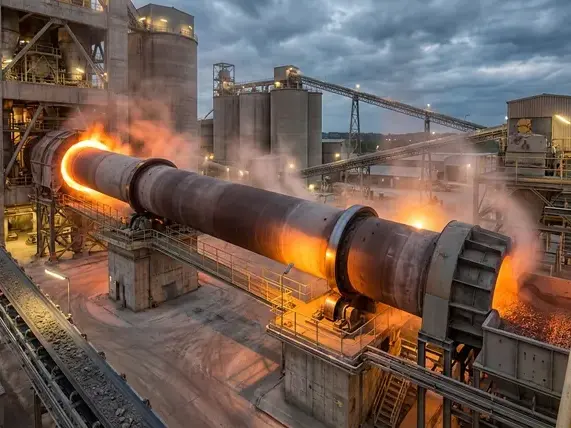
The operating conditions of different parts of a new dry-process rotary kiln vary significantly. The refractory brick configuration follows the principle of “matching according to demand,” with a gradient layout from the kiln tail to the kiln head. Rear Section…
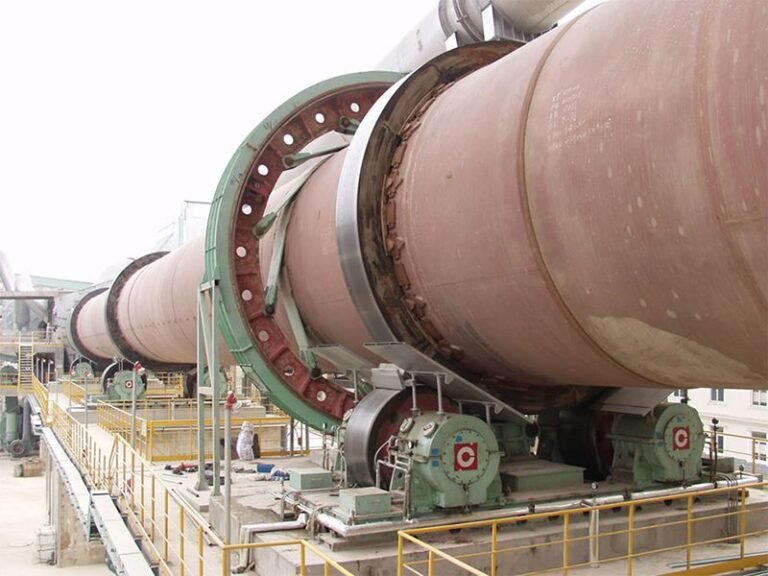
The new dry process rotary kiln is a core piece of equipment in the modern cement industry. Its primary application is as the central equipment in the cement clinker calcination system, undertaking the crucial task of ultimately sintering raw meal…
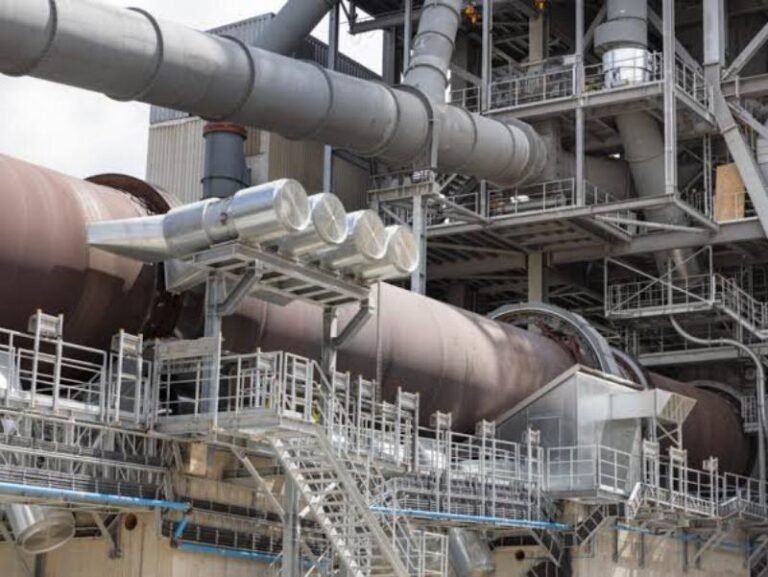
The cement industry primarily uses rotary kilns as high-temperature kilns, especially the new dry-process rotary kilns, which are the core calcining equipment in the modern cement industry. A rotary kiln is a slightly tilted, slowly rotating steel cylinder. Raw materials…
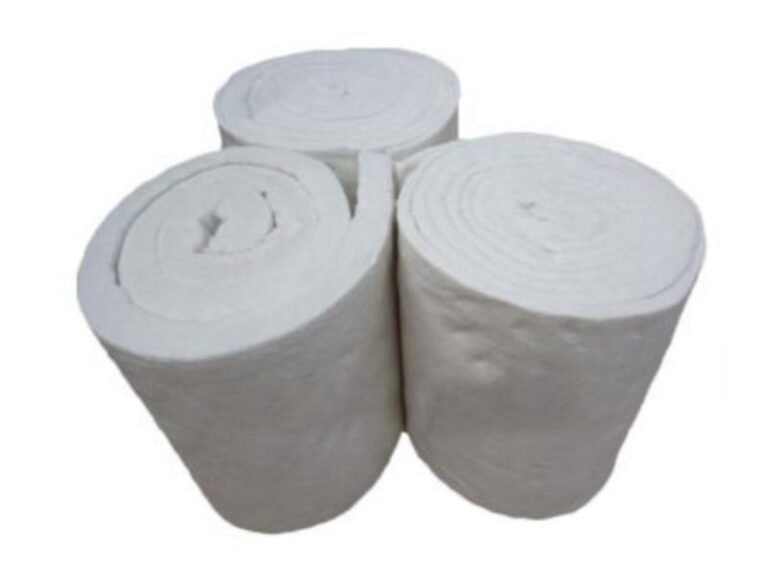
Glass furnace insulation typically employs a multi-layered composite structure. Different parts (such as the arch, walls, and bottom) require different materials due to variations in temperature and corrosiveness. Commonly used materials can be categorized as follows: Lightweight Refractory Bricks This…
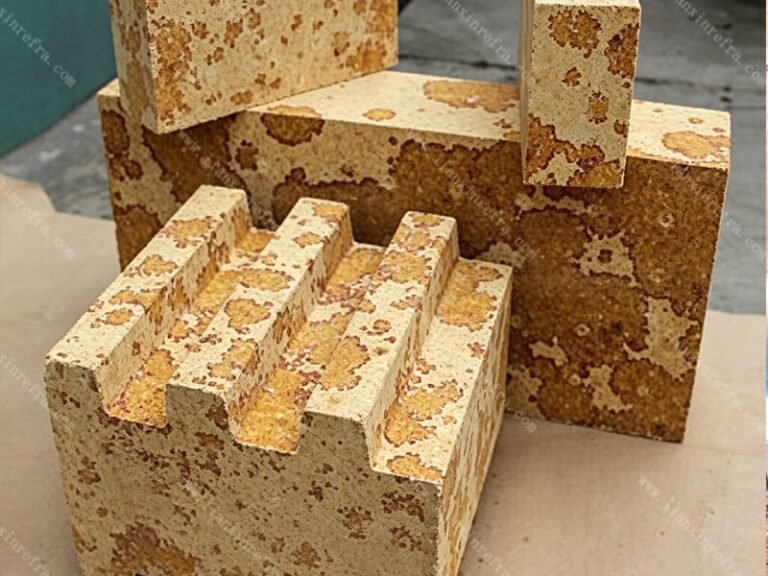
The core use of lightweight silica bricks in kilns is as a heat insulation layer, rather than a structural layer directly in contact with flames or molten material. Utilizing its porous structure and low thermal conductivity, it reduces heat loss…
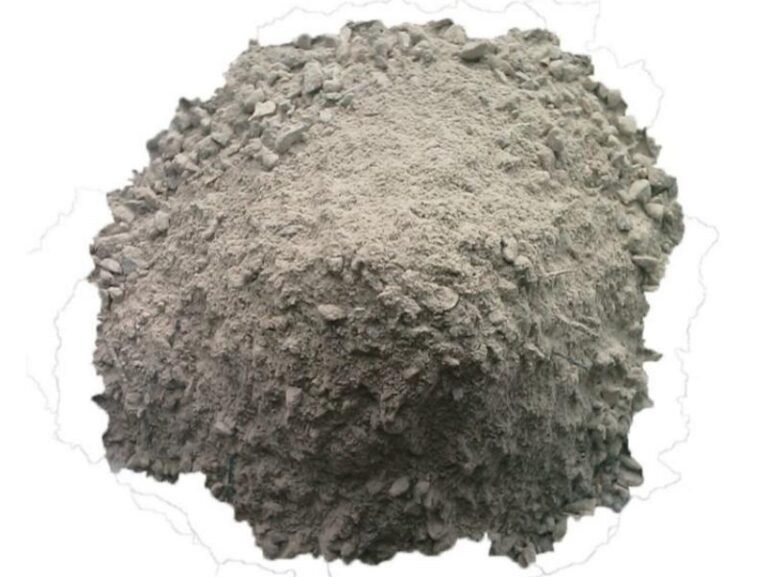
The core roles of lightweight insulating castables in kilns are “thermal insulation” and “structural weight reduction.” They reduce heat loss from the kiln body through their low thermal conductivity and reduce the load on the kiln body due to their…
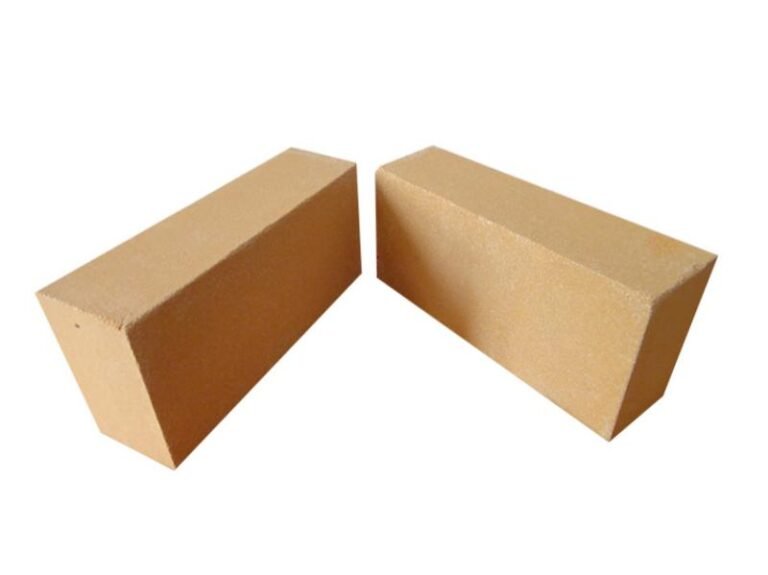
The core use of lightweight alumina bricks (usually referring to lightweight high-alumina bricks) in kilns is as a heat insulation layer or thermal insulation layer to reduce heat loss from the furnace body, lower energy consumption, and reduce the furnace’s…