Address
Building 1, Zone 1, Greenland Binhu International City, Zhengzhou, Henan, China
Work Hours
Monday to Friday: 9AM - 7PM
Weekend: 10AM - 6PM
Address
Building 1, Zone 1, Greenland Binhu International City, Zhengzhou, Henan, China
Work Hours
Monday to Friday: 9AM - 7PM
Weekend: 10AM - 6PM

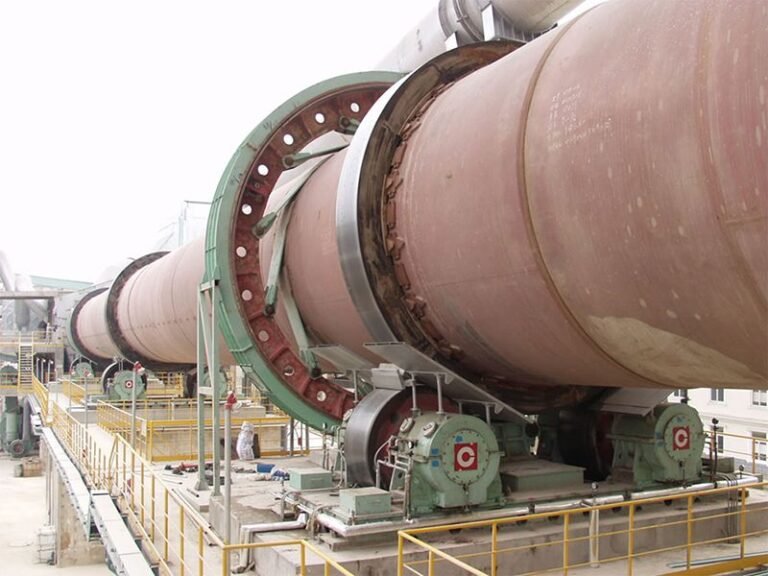
The new dry process rotary kiln is a core piece of equipment in the modern cement industry. Its primary application is as the central equipment in the cement clinker calcination system, undertaking the crucial task of ultimately sintering raw meal…
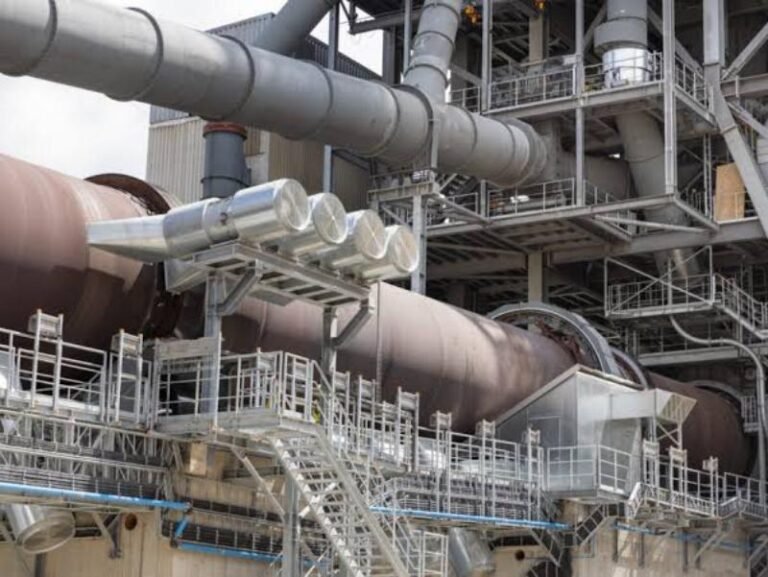
The cement industry primarily uses rotary kilns as high-temperature kilns, especially the new dry-process rotary kilns, which are the core calcining equipment in the modern cement industry. A rotary kiln is a slightly tilted, slowly rotating steel cylinder. Raw materials…
Glass furnace insulation typically employs a multi-layered composite structure. Different parts (such as the arch, walls, and bottom) require different materials due to variations in temperature and corrosiveness. Commonly used materials can be categorized as follows: Lightweight Refractory Bricks This…
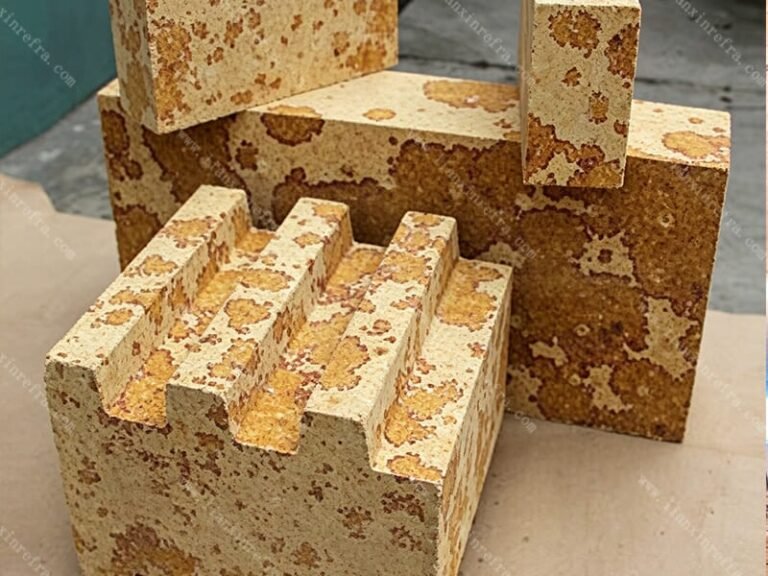
The core use of lightweight silica bricks in kilns is as a heat insulation layer, rather than a structural layer directly in contact with flames or molten material. Utilizing its porous structure and low thermal conductivity, it reduces heat loss…
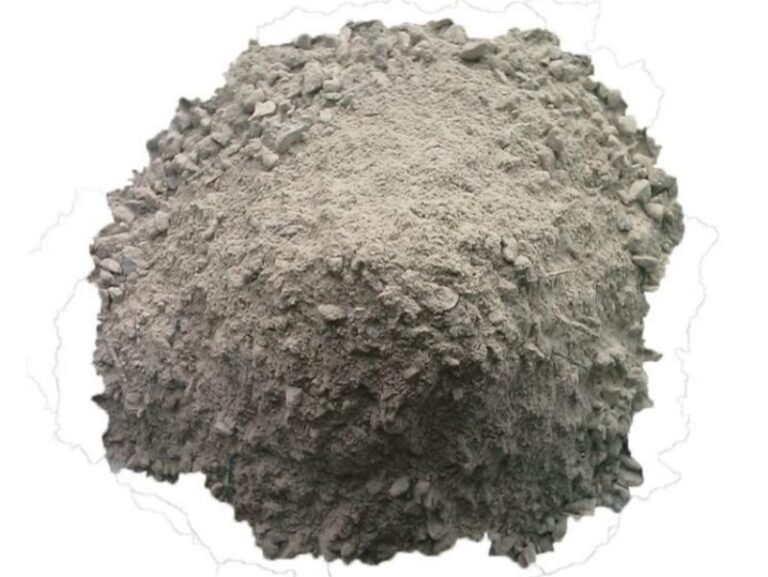
The core roles of lightweight insulating castables in kilns are “thermal insulation” and “structural weight reduction.” They reduce heat loss from the kiln body through their low thermal conductivity and reduce the load on the kiln body due to their…
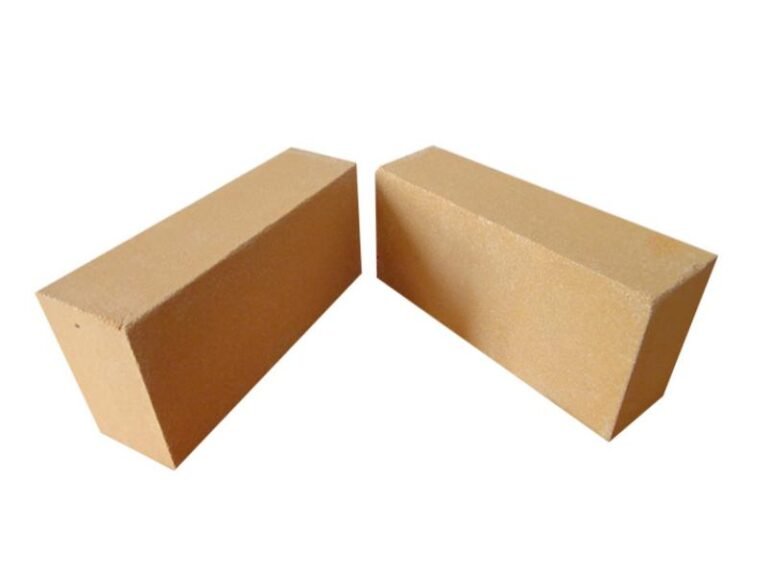
The core use of lightweight alumina bricks (usually referring to lightweight high-alumina bricks) in kilns is as a heat insulation layer or thermal insulation layer to reduce heat loss from the furnace body, lower energy consumption, and reduce the furnace’s…
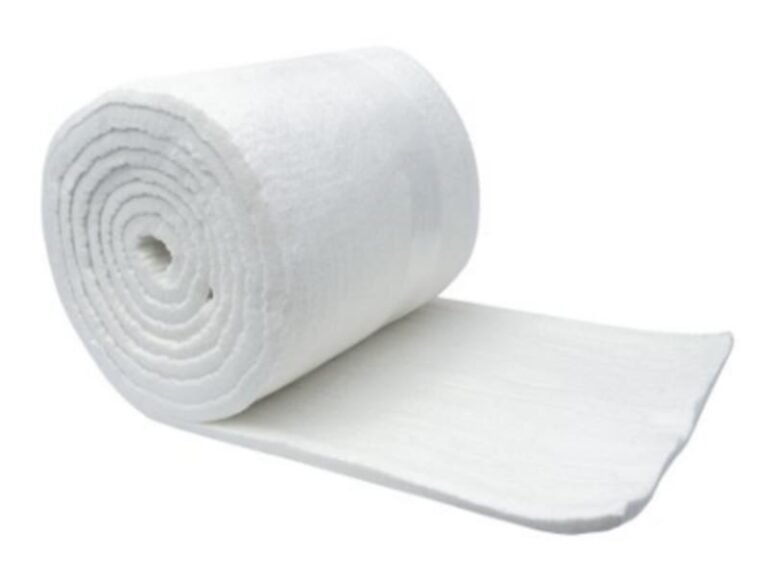
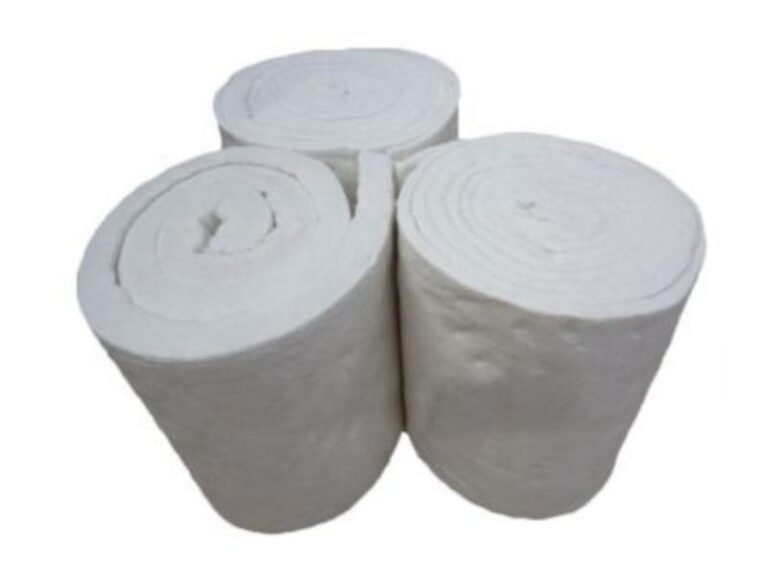
Ceramic fiber blankets primarily serve three functions in kilns: heat insulation, furnace lining sealing, and thermal protection. They are a key material for energy conservation and emission reduction in industrial kilns. Specific applications include: 1. Furnace Lining and Backing Insulation…

Glass kilns are core equipment in glass production, consuming a large portion of the energy in the entire process. To improve energy efficiency and extend the lifespan of these kilns, optimized insulation design is crucial. Lightweight insulation boards, especially ceramic…

Lightweight mullite insulating bricks are a type of lightweight refractory material with high-purity mullite as the main crystalline phase and a large number of uniformly distributed micropores inside. It possesses both high-temperature resistance and high-efficiency thermal insulation properties, playing an…
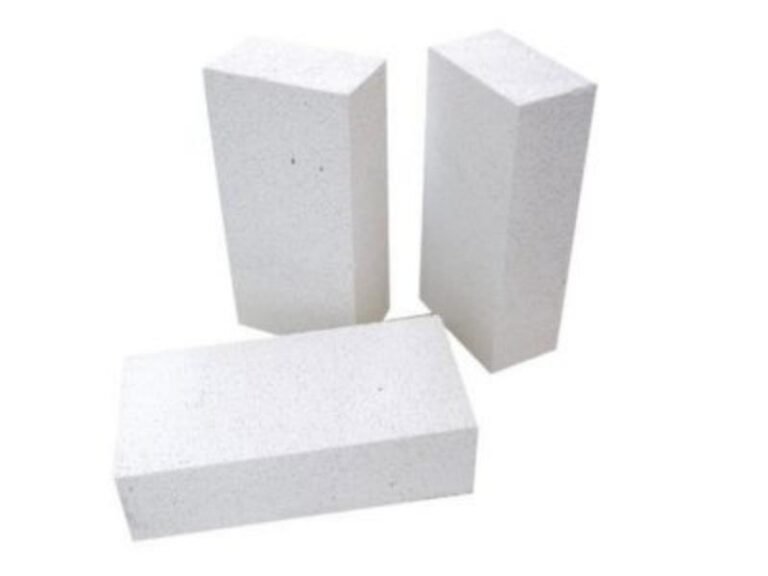
Alumina hollow sphere bricks are a lightweight refractory material made primarily from alumina hollow spheres and alumina powder, fired at temperatures above 1750℃. In modern high-temperature kilns, they play a dual role as a core working lining and a highly…