Address
Building 1, Zone 1, Greenland Binhu International City, Zhengzhou, Henan, China
Work Hours
Monday to Friday: 9AM - 7PM
Weekend: 10AM - 6PM
Address
Building 1, Zone 1, Greenland Binhu International City, Zhengzhou, Henan, China
Work Hours
Monday to Friday: 9AM - 7PM
Weekend: 10AM - 6PM

The core use of lightweight silica bricks in kilns is as a heat insulation layer, rather than a structural layer directly in contact with flames or molten material. Utilizing its porous structure and low thermal conductivity, it reduces heat loss from the kiln, thus saving energy and reducing consumption.
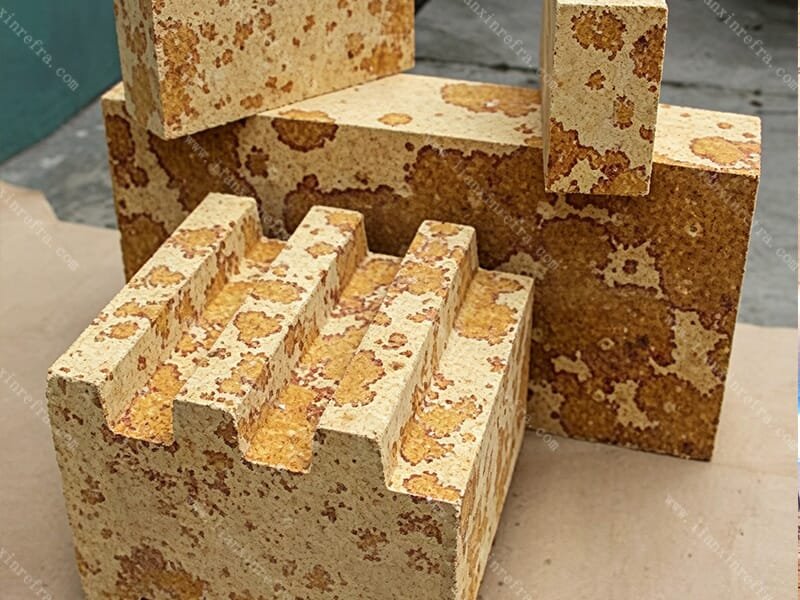
This is the most typical application area for lightweight silica bricks, primarily used as an insulation layer for the kiln’s dome. Because the temperature below the dome is extremely high (up to approximately 1600℃), the chemical composition of lightweight silica bricks is similar to that of dense silica bricks, and their expansion properties are matched, ensuring the stability of the kiln structure at high temperatures. It is usually designed as two or more layers, with the outer layer using silica bricks with a lower bulk density to enhance the insulation effect.
In the walls, dome, and high-temperature passages of hot blast stoves, lightweight silica bricks are often used as insulation materials or directly laid on surfaces in contact with hot air. Their operating temperature range is typically between 1000 and 1300℃, capable of withstanding repeated heat storage and air circulation in the hot blast stove.
In coke oven structures, lightweight silica bricks can be used for partition walls in the carbonization chamber and combustion chamber, as well as in the lower insulation structure. Since coke ovens operate at 950-1050℃ for extended periods, the non-deformation and good thermal conductivity of lightweight silica bricks at high temperatures help maintain structural stability and reduce heat loss.
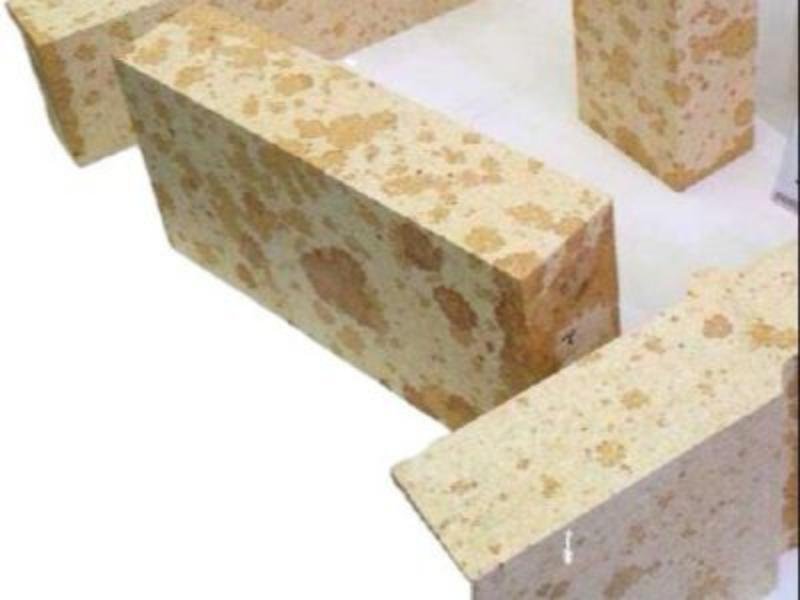
It should be noted that lightweight silica bricks have relatively low mechanical strength and poor slag resistance, and therefore cannot be used in areas directly in contact with molten material or exposed to corrosive gases or rapid temperature changes. Furthermore, they should not come into contact with alkaline refractory materials at high temperatures.