Address
Building 1, Zone 1, Greenland Binhu International City, Zhengzhou, Henan, China
Work Hours
Monday to Friday: 9AM - 7PM
Weekend: 10AM - 6PM
Address
Building 1, Zone 1, Greenland Binhu International City, Zhengzhou, Henan, China
Work Hours
Monday to Friday: 9AM - 7PM
Weekend: 10AM - 6PM

Glass furnace insulation typically employs a multi-layered composite structure. Different parts (such as the arch, walls, and bottom) require different materials due to variations in temperature and corrosiveness. Commonly used materials can be categorized as follows:
This is the most basic insulation layer material. Lightweight silica bricks are commonly used for large arches, offering advantages such as a high softening point under load and low high-temperature creep. Lightweight high-alumina bricks and lightweight clay bricks are mostly used for regenerator walls and other areas. They can withstand certain high temperatures and possess good thermal insulation properties.
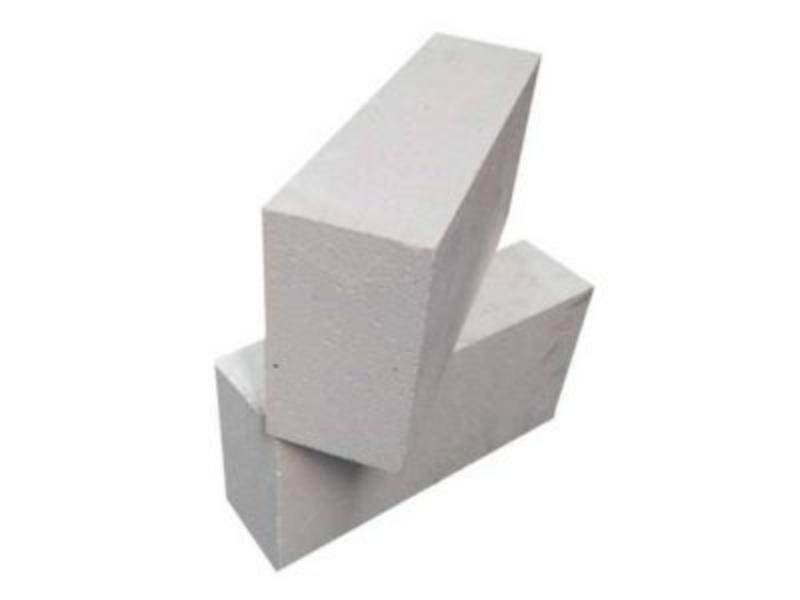
Including ceramic fiber boards and aluminosilicate fiber blankets (felts), these are currently the most widely used high-efficiency insulation layers. They are lightweight and have low thermal conductivity, commonly used for the insulation layers of arches and bottoms. For example, bottom insulation often uses two layers of staggered ceramic fiber boards.
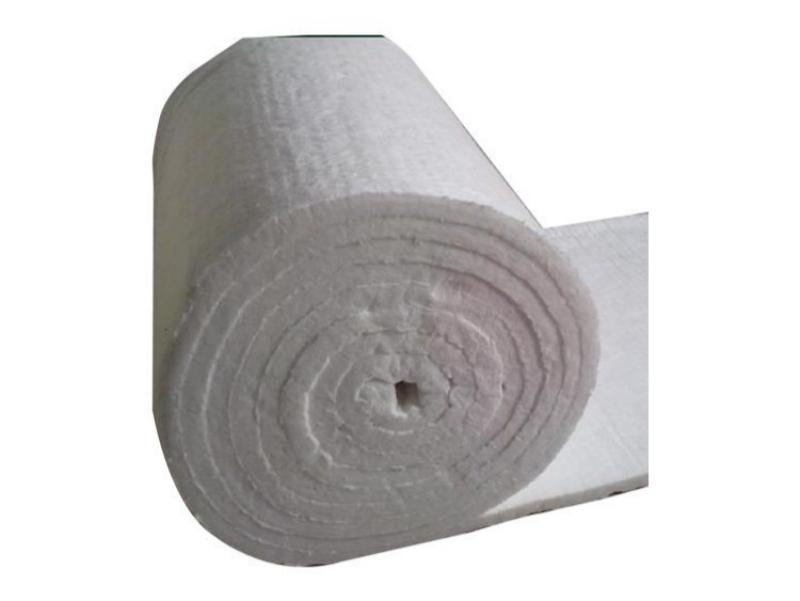
In recent years, aerogel insulation blankets and nanomaterials for thermal insulation have begun to be used in glass furnaces. Aerogel insulation blankets have a thermal conductivity as low as 0.012~0.023 W/(m·K) at room temperature, and their performance degradation at high temperatures is far less than that of traditional materials. They are often used in combination with aluminosilicate fiber blankets to enhance the insulation effect.
Asbestos-free calcium silicate boards or high-temperature resistant calcium silicate insulation boards are also used in areas such as the bottom and walls of the furnace, mainly for sealing and insulation purposes, and are not easily deformed by heat.
In addition, monolithic refractory materials (such as insulating castables and ramming mixes) are also commonly used in specific areas. For example, zircon ramming mixes used for the bottom of the furnace provide both cushioning and insulation.