Address
Building 1, Zone 1, Greenland Binhu International City, Zhengzhou, Henan, China
Work Hours
Monday to Friday: 9AM - 7PM
Weekend: 10AM - 6PM
Address
Building 1, Zone 1, Greenland Binhu International City, Zhengzhou, Henan, China
Work Hours
Monday to Friday: 9AM - 7PM
Weekend: 10AM - 6PM

A vertical kiln is a vertically mounted, fixed, continuous calcination thermal equipment. Its core applications are concentrated in three major areas: cement clinker, lime, and refractory raw materials, and it is expanding into metallurgy, chemical industry, and waste treatment.
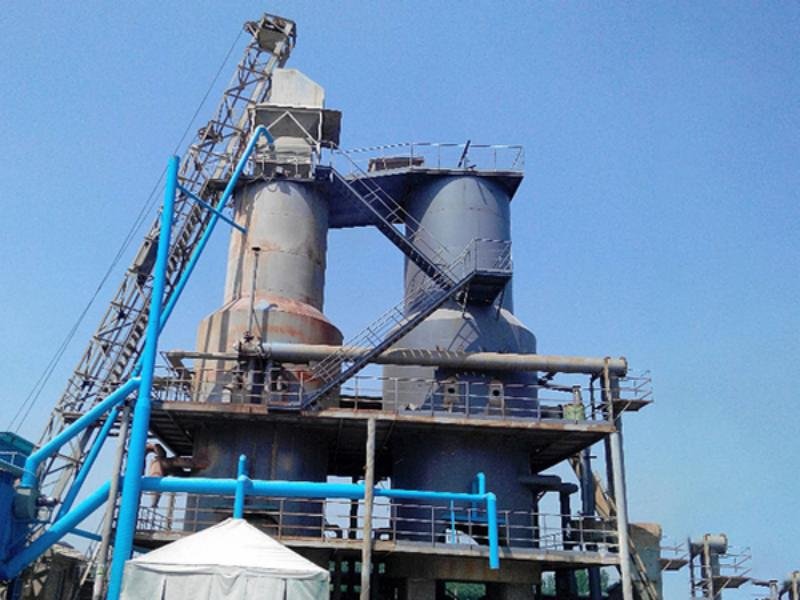
Vertical kilns were once the mainstay equipment for small and medium-sized cement enterprises in my country. They utilize the counter-current heat exchange between the material’s downward flow due to gravity and the rising hot airflow to complete preheating, calcination, and cooling. Mechanized vertical kilns can operate continuously, require less investment, and are quick to build, making them suitable for producing low-strength products such as ordinary silicate cement. However, with industrial upgrading, vertical kiln cement production, due to its relatively low product uniformity and significant environmental pressure, has been listed as an outdated technology to be phased out and replaced by newer dry-process rotary kilns.
This is currently a very vital application for vertical kilns. Lime vertical kilns utilize the counter-current heat exchange principle to calcine limestone into quicklime, widely serving industries such as metallurgy, building materials, and chemicals. In steel plants, it can calcine metallurgical active lime. In the chemical industry, it provides raw materials for calcium hydroxide, nano-calcium carbonate, etc. Modern vertical shaft lime kilns can also utilize inexpensive or waste fuels such as blast furnace gas and calcium carbide furnace tail gas, offering both energy-saving and environmental benefits.
Vertical shaft kilns are suitable for calcining lumpy materials, with specific requirements for raw material size (typically 25-150mm). In the refractory materials industry, they are used to calcine products such as bauxite, silica, dolomite, and refractory balls. In metallurgy and mining, they can be used for iron ore sintering, iron oxide pelletizing, and calcining high-alumina vanadium clay. They are even used in the pyrolysis of municipal solid waste. These applications fully utilize the advantages of vertical shaft kilns, including simple structure, low unit fuel consumption, and ease of grading and sorting.
In summary, the uses of vertical shaft kilns have evolved from the early single application of cement calcination to a multi-functional thermal equipment covering building materials, metallurgy, chemicals, and environmental protection. Although its use in the cement sector has declined, it still holds a place in the calcination of lime and special raw materials due to its thermal efficiency and fuel adaptability.