Address
Building 1, Zone 1, Greenland Binhu International City, Zhengzhou, Henan, China
Work Hours
Monday to Friday: 9AM - 7PM
Weekend: 10AM - 6PM
Address
Building 1, Zone 1, Greenland Binhu International City, Zhengzhou, Henan, China
Work Hours
Monday to Friday: 9AM - 7PM
Weekend: 10AM - 6PM

Cement rotary kilns operate under long-term high temperatures, heavy loads, and open-air conditions. Common problems mainly focus on mechanical transmission, kiln structure, thermal processes, and lubrication and cooling.
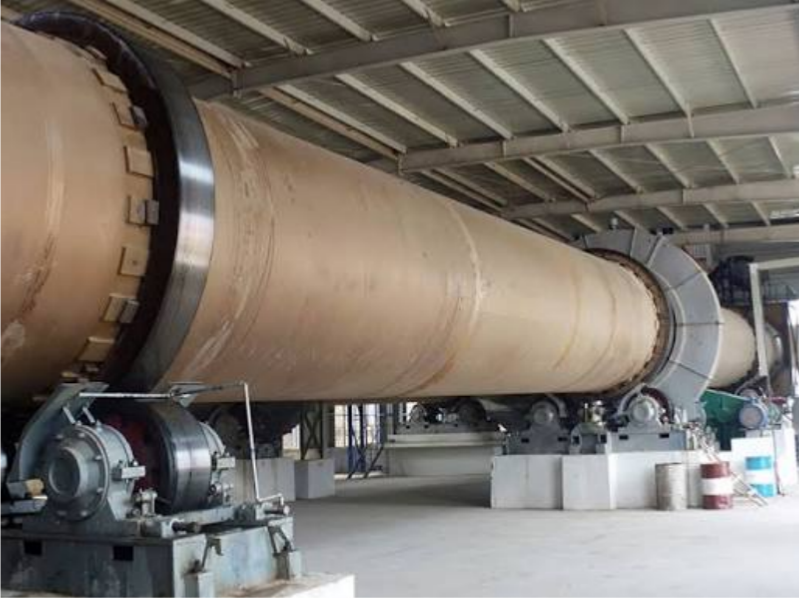
Failures in the mechanical transmission and support systems are relatively common. Gear drives are prone to tooth surface wear, fatigue pitting, and even tooth chipping, leading to increased vibration. If the anchor bolts are loose or the grout layer of the base cracks, the meshing clearance will become further unstable. Overheating of the roller bearings is another frequent problem, often caused by deteriorated lubricating oil, insufficient oil level, interrupted cooling water, or excessively small bearing gaps. In severe cases, bearing failure can occur, forcing a kiln shutdown for several days for scraping and refining. In addition, rotary kiln vibration often originates from out-of-roundness of the rollers or tires, and deviation of the kiln body centerline. These factors accelerate abnormal wear of the support components.
Damage to the kiln and lining directly threatens equipment safety. The rotary kiln shell is subjected to high temperatures, corrosive media, and alternating stress over a long period, making welds or weak points prone to cracking. This requires inspection using wall thickness measurement and flaw detection. When the kiln temperature rises too quickly during drying, the internal moisture in the refractory castable rapidly vaporizes, creating vapor pressure that can cause the castable at the kiln mouth and kiln head hood to burst and detach. In terms of process, frequent ring formation at the kiln tail can hinder material flow, leading to reduced production or even material leakage from the smoke chamber. Blockage in the preheater system is a common problem in new dry-process kilns, and improper handling can even cause personal safety accidents.
Special faults during shutdown maintenance should not be ignored. For example, thermal expansion and contraction of the kiln shell can interfere with the sinking feed chute, preventing rotary kiln rotation and affecting maintenance progress.
In summary, rotary kiln problems are often interconnected. Neglecting any aspect of lubrication, cooling, or alignment can lead to major malfunctions. Daily inspections and periodic checks are crucial to avoiding sudden kiln shutdowns.