Address
Building 1, Zone 1, Greenland Binhu International City, Zhengzhou, Henan, China
Work Hours
Monday to Friday: 9AM - 7PM
Weekend: 10AM - 6PM
Address
Building 1, Zone 1, Greenland Binhu International City, Zhengzhou, Henan, China
Work Hours
Monday to Friday: 9AM - 7PM
Weekend: 10AM - 6PM

Zirconium-corundum bricks (also known as electrofused bricks, abbreviated AZS) are a crucial refractory material in high-temperature industrial furnaces. Their core applications are primarily in glass industry furnaces, where they serve as the “skeleton” and “armor” of the glass melting furnace.
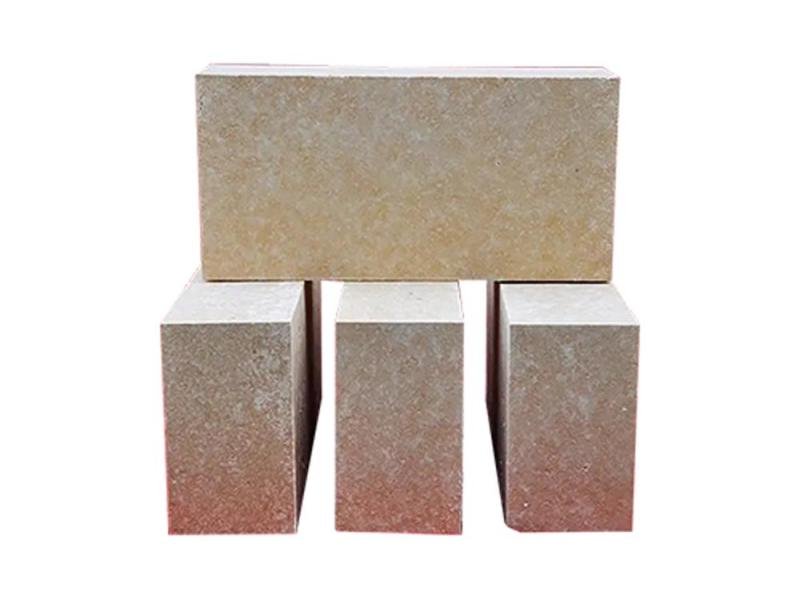
Their primary use is in areas that directly contact molten glass, which is their most critical and technologically advanced application. For example, in key areas such as the furnace walls, flow channels, and corners of the feeding inlets, zirconia-corundum bricks, with their excellent resistance to molten glass erosion, act like a sturdy shield against the chemical corrosion and physical erosion of the high-temperature glass, thus preventing glass contamination and significantly extending the furnace’s lifespan.
Furthermore, zirconia-corundum bricks are also used in the upper structure of the furnace, such as the upper part of the melting pool, regenerators, and small furnaces—areas through which flames or high-temperature gases pass. These areas do not directly contact the molten glass but are subjected to extremely high thermal radiation and airflow erosion, requiring high thermal shock resistance and high-temperature strength from the material.
Based on their zirconium oxide (ZrO₂) content, zirconium corundum bricks are classified into different grades to suit various working conditions:
AZS-33#: Due to its excellent castability, it can be made into complex-shaped bricks and is mostly used in the upper structure of kilns or in areas not in contact with molten glass.
AZS-36# and AZS-41#: Due to their higher zirconium oxide content, they have stronger corrosion resistance and erosion resistance, and are therefore specifically used in core components such as pool walls and flow channels where temperatures are higher, molten glass flow rates are faster, and working conditions are more demanding.
Besides the glass industry, this high-performance refractory material is also used in kilns in metallurgy, chemical industry, and other sectors, such as steel industry chutes and soda ash kilns, playing an irreplaceable role in harsh environments with high temperatures, high abrasion, and high corrosion.