Address
Building 1, Zone 1, Greenland Binhu International City, Zhengzhou, Henan, China
Work Hours
Monday to Friday: 9AM - 7PM
Weekend: 10AM - 6PM
Address
Building 1, Zone 1, Greenland Binhu International City, Zhengzhou, Henan, China
Work Hours
Monday to Friday: 9AM - 7PM
Weekend: 10AM - 6PM

The refractory materials for medium-frequency induction furnaces are primarily dry vibratory ramming mixes. The specific material selection depends entirely on the type of metal being smelted and the smelting temperature, rather than a simple materials science classification. In actual production, silica sand is the first choice for smelting cast iron, while magnesia or alumina-magnesia materials are often chosen for smelting carbon steel and alloy steel. High-alumina materials are commonly used for smelting non-ferrous metals.
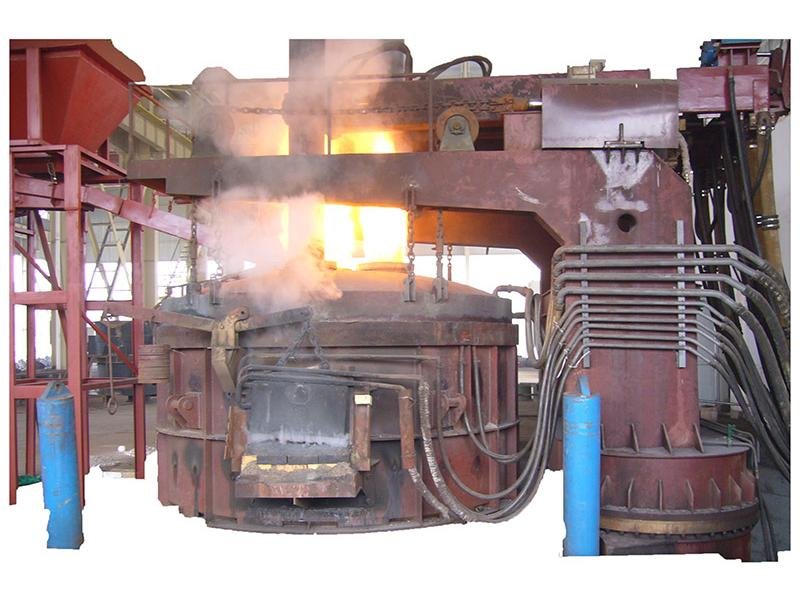
For ferrous metals with relatively low melting points, such as gray cast iron and ductile iron, silica sand (mainly composed of silicon dioxide) is the most widely used and most economical furnace lining material. It is inexpensive and can meet the conventional temperature requirements for cast iron smelting. However, the lifespan of silica sand furnace linings decreases significantly under harsh smelting conditions or excessively high temperatures, therefore it is being phased out in the smelting of high-manganese steel and other high-temperature steel grades.
When smelting carbon steel, alloy steel, stainless steel, or high-manganese steel, quartz sand is insufficient to withstand high temperatures and molten steel corrosion. In such cases, it is necessary to switch to magnesia-based materials (primarily magnesia) or alumina-magnesia composites.
Magnesia furnace linings have high refractoriness and strong resistance to alkaline slag corrosion, effectively combating the corrosion of metal oxides in molten steel. Their service life typically exceeds 70 heats.
In recent years, alumina-magnesia ramming mixes (made from fused alumina and magnesia sand) have become a common choice for medium-frequency furnace steelmaking due to the formation of spinel at high temperatures, exhibiting both good thermal shock resistance and slag resistance. For smelting stainless steel, higher-purity fused magnesia sand is often selected.
When smelting aluminum, copper, and their alloys, the temperature is relatively low, but the furnace lining must not contaminate the molten metal and must be leak-proof. High-alumina materials (alumina-based) are the mainstream choice in this case. By adding special anti-seepage agents, it is possible to effectively prevent molten aluminum or copper from seeping into the furnace lining and causing spalling. Furthermore, for vacuum induction furnaces made of pure iron or low-carbon steel, patented technology employs a composite of quartz sand and silicon carbide micropowder. Silicon carbide is used to promote sintering and increase strength, thus solving the problem of the difficulty in sintering pure quartz sand.
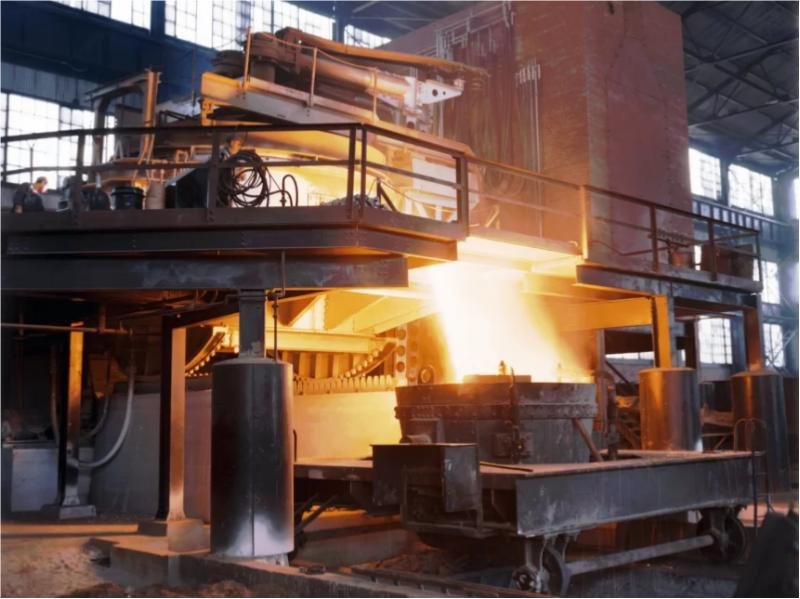
Regardless of the material used, the construction of medium-frequency furnace linings almost uniformly adopts dry vibration molding, relying on the gradient structure of the sintered layer, transition layer, and loose layer to achieve both erosion resistance and thermal shock resistance, and to facilitate furnace dismantling.