Address
Building 1, Zone 1, Greenland Binhu International City, Zhengzhou, Henan, China
Work Hours
Monday to Friday: 9AM - 7PM
Weekend: 10AM - 6PM
Address
Building 1, Zone 1, Greenland Binhu International City, Zhengzhou, Henan, China
Work Hours
Monday to Friday: 9AM - 7PM
Weekend: 10AM - 6PM

The core application of medium frequency induction furnaces is the melting and heating of metals. Leveraging their electromagnetic induction principle and frequency characteristics (typically 150–10000Hz), they play a fundamental role in casting, metallurgy, and mechanical heat treatment.
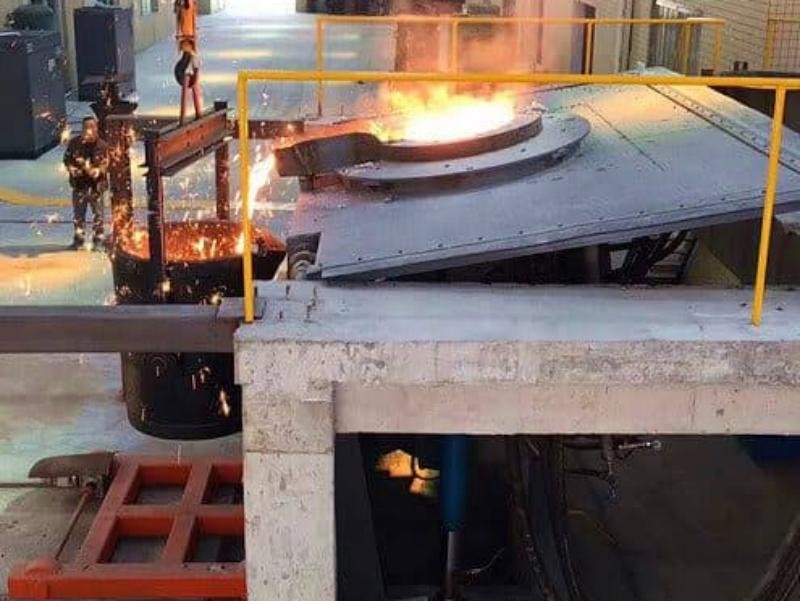
In the melting and casting field, they are the core equipment for melting molten iron, steel, and non-ferrous metals in the modern casting industry. They can efficiently melt cast iron, cast steel, stainless steel, and non-ferrous metals and their alloys such as copper, aluminum, and zinc. Due to electromagnetic stirring, the alloy composition and temperature are relatively uniform. Currently, medium frequency furnaces have largely replaced traditional cupola furnaces and gas furnaces, becoming the mainstay of casting melting and heat preservation. Their electrothermal conversion efficiency can reach over 75%, offering significant advantages in energy saving and environmental protection.
In the forging and heat treatment field, they are mainly used for through-heating. Before die forging or rolling, medium frequency induction furnaces are used to perform overall through-heating of round steel, square steel, or bar stock, ensuring a small core-to-surface temperature difference and minimal oxidation and decarburization, thereby improving forging quality and die life. In addition, it is also commonly used for bending steel pipes, heating before extrusion molding, and preheating for welding metal parts.
In the field of heat treatment, medium-frequency induction furnaces are suitable for surface quenching and tempering of larger workpieces or to specific depths. Due to the skin effect of medium-frequency current, its heating depth is moderate (usually several millimeters), making it suitable for surface quenching, annealing, and tempering of large-diameter shafts, thick-walled pipes, or large-module gears.
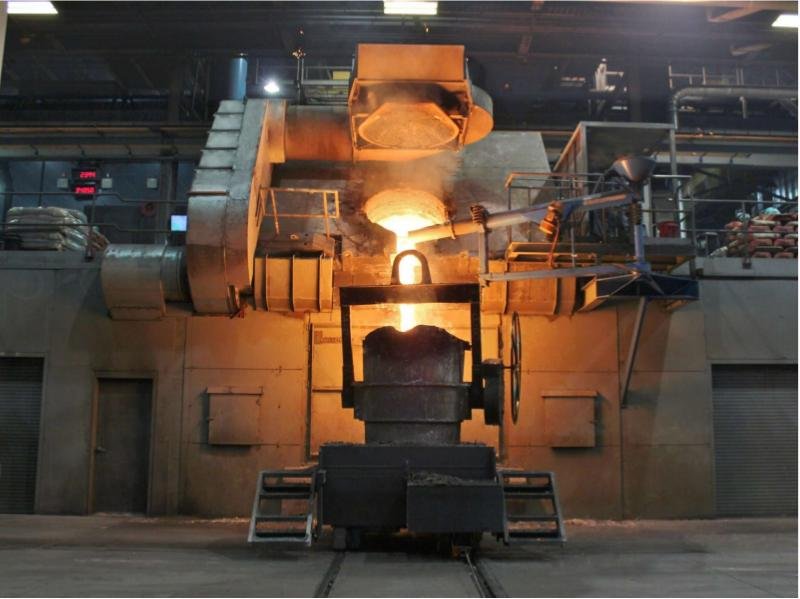
For other special applications, medium-frequency induction furnaces can also be used for vacuum smelting, powder metallurgy sintering, polycrystalline silicon purification, and the recycling and remelting of scrap metal. Its flexible power configuration and strong adaptability to furnace charge allow it to meet a variety of industrial needs, from intermittent small-batch operations to large-scale continuous production.