Address
Building 1, Zone 1, Greenland Binhu International City, Zhengzhou, Henan, China
Work Hours
Monday to Friday: 9AM - 7PM
Weekend: 10AM - 6PM
Address
Building 1, Zone 1, Greenland Binhu International City, Zhengzhou, Henan, China
Work Hours
Monday to Friday: 9AM - 7PM
Weekend: 10AM - 6PM

The choice of refractory materials for calcining furnaces depends on the furnace type and operating conditions. Carbon calcining furnaces primarily use high-alumina refractory bricks, while alumina circulating fluidized bed calcining furnaces use composite linings combining bricks and castables.
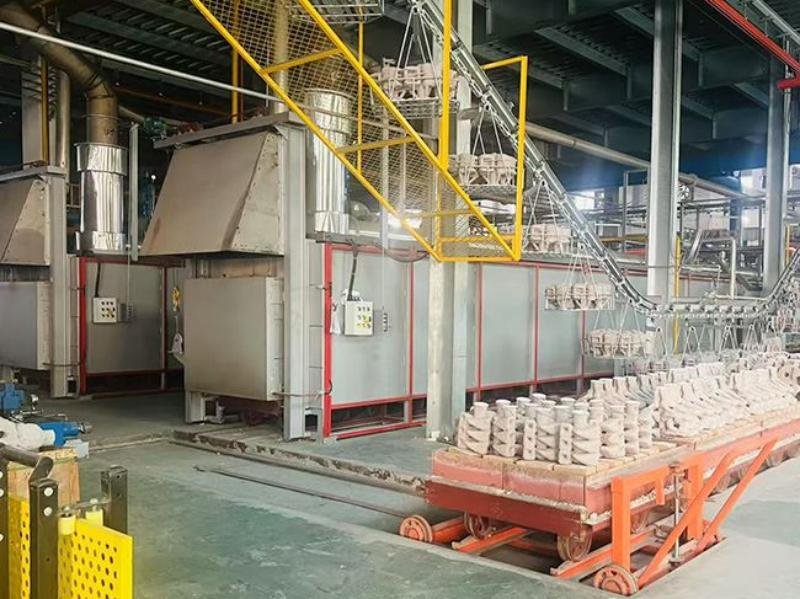
The working layer of a carbon calcining furnace mainly bears high temperatures and thermal stress, making high-alumina refractory bricks the mainstream choice.
Main Material Composition: Typically, bauxite clinker is used as aggregate, with mullite particles introduced to improve high-temperature volume stability, and andalusite and corundum powder added to improve thermal shock resistance.
Performance Requirements: These bricks need to have low apparent porosity, high load softening temperature, and low high-temperature creep rate to cope with long-term high-temperature loads.
Traditional Materials: In furnace types such as pot furnaces, special clay fire bricks are also commonly used in the fire channels and regenerator working layers, with a focus on controlling iron content to ensure corrosion resistance.
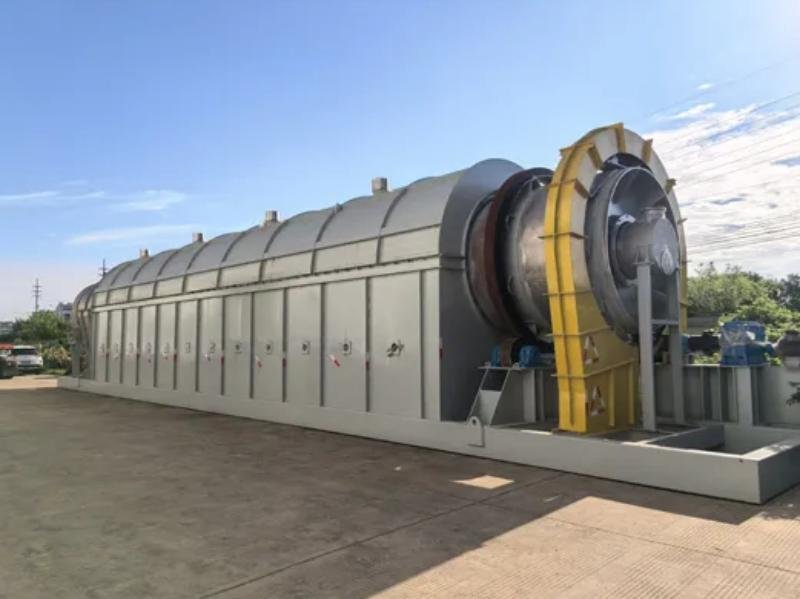
These furnaces experience high material flow rates and significant abrasion, necessitating a layered lining configuration.
Monolithic Castable Refractories: Used in large quantities, primarily in complex components such as venturi structures, cyclone separators, and piping. High-alumina castables are commonly used, requiring excellent wear resistance and thermal shock resistance.
Refractory Bricks: Used in critical components such as the main furnace body and cyclone separators, forming a “thermal insulation layer + heat insulation layer + working layer” structure with the castable refractories.
Insulation and Anchoring: The lining is backed with calcium silicate boards and refractory fibers for insulation, and is securely connected to the furnace shell using numerous anchors.