Address
Building 1, Zone 1, Greenland Binhu International City, Zhengzhou, Henan, China
Work Hours
Monday to Friday: 9AM - 7PM
Weekend: 10AM - 6PM
Address
Building 1, Zone 1, Greenland Binhu International City, Zhengzhou, Henan, China
Work Hours
Monday to Friday: 9AM - 7PM
Weekend: 10AM - 6PM

Corundum bricks and high-alumina bricks are two common refractory materials, with the main differences being in the following aspects:
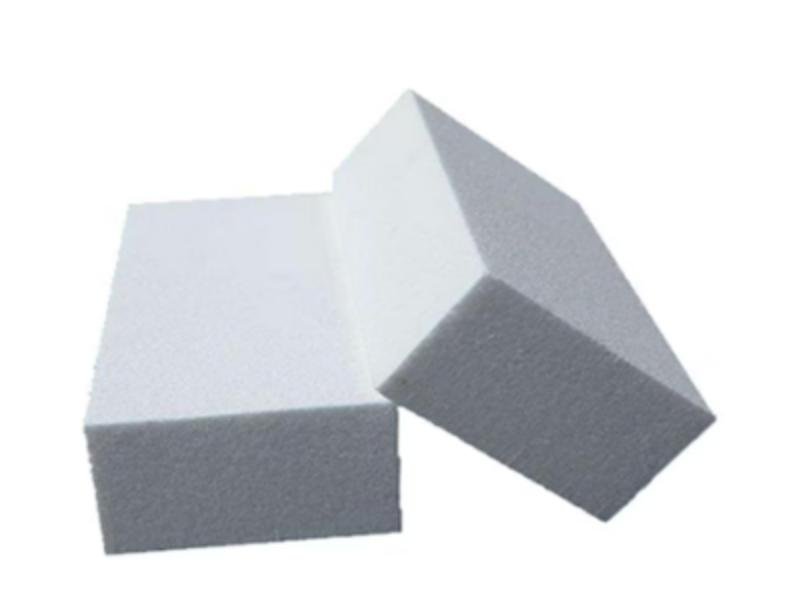
Corundum Bricks: Primarily composed of α-Al₂O₃ (corundum phase), with an Al₂O₃ content typically exceeding 90%, sometimes reaching 99%. The raw material is mostly fused or sintered corundum.
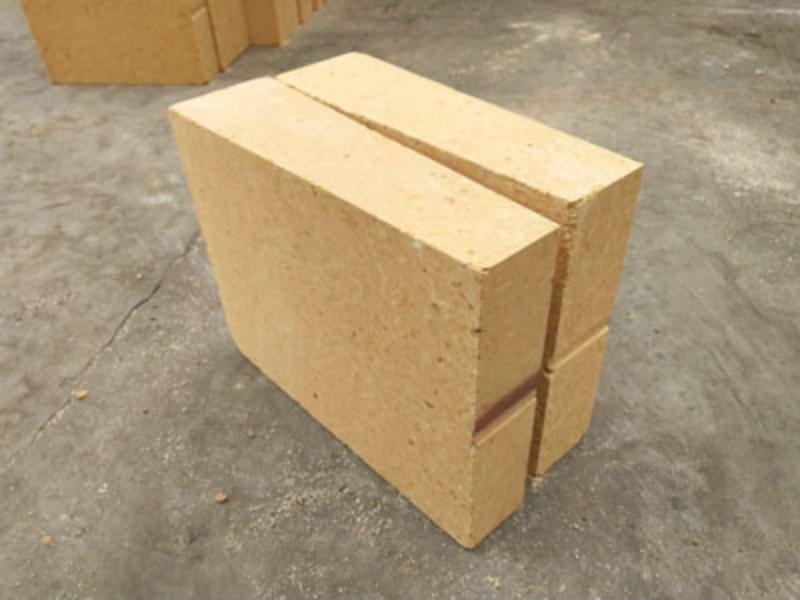
High-Alumina Bricks: Primarily made from high-alumina bauxite, with Al₂O₃ content varying according to grade (48%, 55%, 65%, 75%, etc.), but not exceeding 80%. The main crystalline phase is mullite (3Al₂O₃·2SiO₂) and a small amount of corundum.
Refractory Temperature: Corundum bricks can achieve a refractoriness of over 1790℃, while high-alumina bricks (taking 75% as an example) have a refractoriness of approximately 1770~1790℃; the difference is not significant. Load softening temperature: Corundum bricks have higher temperatures (>1700℃), while high-alumina bricks (65%~75% grade) are approximately 1480~1550℃.
Thermal shock resistance: Due to their larger coefficient of linear expansion, corundum bricks generally have lower thermal shock resistance than some high-alumina bricks (especially those with added zirconium or specially designed multiphase structures).
Abrasion resistance and slag resistance: Corundum bricks have a dense structure (apparent porosity is often below 18%), high hardness, strong abrasion resistance, and far superior resistance to acidic slag corrosion compared to high-alumina bricks.
Corundum bricks: Used in high-temperature, high-pressure, highly corrosive, or highly abrasive environments. Examples include: petrochemical gasification furnaces, the “three major components” of continuous casting in steel (slide plates, long nozzles, etc.), fine ceramic kiln furniture, and key parts of glass melting furnaces.
High-alumina bricks: High cost-effectiveness, used in general high-temperature areas: hot blast stoves, ladle linings, cement rotary kiln transition zones, waste incinerators, etc. Al₂O₃ content is selected according to operating conditions.
Corundum bricks have high production costs (approximately several thousand to tens of thousands of yuan per ton) and are white or pale yellow in color. High-alumina bricks are much cheaper and are mostly yellowish-brown.
Corundum bricks are “high-performance, high-cost” refractory materials suitable for harsh applications. High-alumina bricks are “general-purpose, economical” products that meet conventional high-temperature requirements. The choice should be made based on a comprehensive consideration of the operating temperature, corrosive medium, and equipment lifespan requirements.