Address
Building 1, Zone 1, Greenland Binhu International City, Zhengzhou, Henan, China
Work Hours
Monday to Friday: 9AM - 7PM
Weekend: 10AM - 6PM
Address
Building 1, Zone 1, Greenland Binhu International City, Zhengzhou, Henan, China
Work Hours
Monday to Friday: 9AM - 7PM
Weekend: 10AM - 6PM

Corundum bricks (containing Al₂O₃ > 90%) are primarily used in high-temperature critical equipment in the metallurgical, petrochemical, ceramics, and electronics industries due to their extremely high refractoriness (up to 1800℃ or higher), excellent resistance to chemical corrosion, and high mechanical strength.
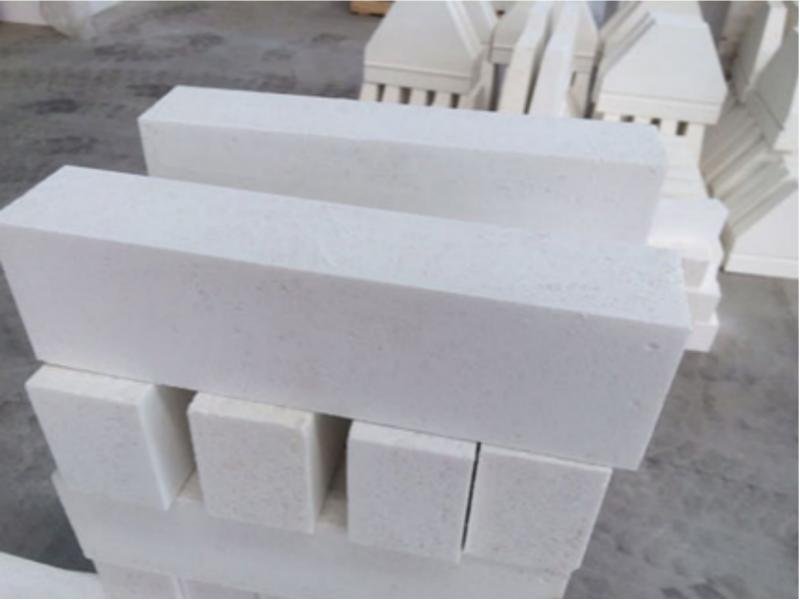
This is the largest application area for corundum bricks, mainly used in critical parts that withstand high temperatures, impacts, and slag corrosion.
Ironmaking Systems: The hearth and hearth of large blast furnaces (resisting molten iron penetration and corrosion), as well as the checker bricks and walls of blast furnace hot blast stoves.
Steelmaking Systems: The lining of ladle refining furnaces, sliding nozzles, slag lines in ladles, and the slide rails of rolling mill heating furnaces.
Utilizing their extremely high chemical stability and resistance to reducing gas corrosion.
Ammonia Synthesis/Gasification Units: Second-stage converters, waste heat boiler linings, and reaction chambers of fluidized bed gasifiers (such as those for processing coal-water slurry and petroleum coke).
Specialty Reactors: Carbon black reactors (resistant to high-temperature gas flow erosion), ethylene cracking furnaces, and ammonia decomposition furnaces.
Glass melting furnaces: Primarily using fused zirconia-corundum bricks for key components such as furnace walls, pool walls, and channels in fiberglass pool furnaces.
Specialty kilns: High-temperature tunnel kilns (as linings for kiln car platforms or direct flame contact areas), shuttle kilns, and pusher kiln tubes for the electronics industry.
Widely used as linings or furnace tube materials for molybdenum wire furnaces, tungsten rod furnaces, induction furnaces, and single-crystal furnaces due to their high-temperature resistance and insulation properties.
In environmental protection equipment such as waste incinerators and waste liquid incinerators, their corrosion-resistant and wear-resistant properties protect furnace walls from alkali metal and acidic gas erosion.