Address
Building 1, Zone 1, Greenland Binhu International City, Zhengzhou, Henan, China
Work Hours
Monday to Friday: 9AM - 7PM
Weekend: 10AM - 6PM
Address
Building 1, Zone 1, Greenland Binhu International City, Zhengzhou, Henan, China
Work Hours
Monday to Friday: 9AM - 7PM
Weekend: 10AM - 6PM

Corundum bricks are a high-performance refractory material with high-purity alumina (Al₂O₃ content ≥90%) as the main crystalline phase. Due to their ultra-high temperature resistance (up to 1800℃), high compressive strength, excellent chemical stability, and corrosion resistance, they are widely considered an indispensable key material in many high-temperature industrial fields. Their applications are mainly concentrated in the following core industries:
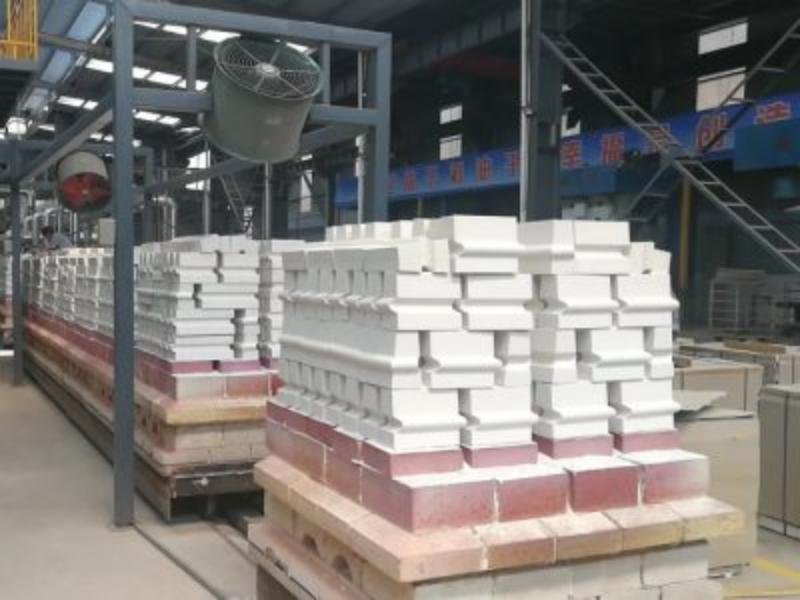
In the iron and steel industry, corundum bricks are the preferred material for the lining of many core equipment.
Blast Furnaces and Hot Blast Stoves: Used for lining key parts such as the blast furnace body, furnace belly, and checker bricks of hot blast stoves, capable of withstanding high temperatures and complex mechanical wear.
Steel Ladle and Refining Furnace: Widely used in the lining of steel ladles (steel containers), the “impact zone” and slag retaining walls of ladle refining furnaces (such as RH and LF furnaces) and continuous casting tundishes. It not only resists the scouring of high-temperature molten steel but also effectively resists the chemical corrosion of steel slag.
Special Components: Used in the manufacture of slide rail bricks for rolling mill heating furnaces, and tapping troughs for walking beam furnaces. These parts require materials with extremely high wear resistance and high-temperature strength.
Thermal equipment in the petrochemical industry often faces harsh environments with high temperatures, high pressures, strong reducing atmospheres, and erosion from gas streams. Corundum bricks perform exceptionally well in these conditions.
Gasifiers and Converters: In ammonia synthesis furnaces, ethylene cracking furnaces, carbon black reactors, and coal gasifiers, corundum bricks, as lining materials, can resist corrosion from strong reducing gases (such as CO and H₂) and erosion from high-speed gas streams at high temperatures (1350-1450℃) and high pressures (3-8.53MPa), which is crucial for ensuring the long-term safe operation of equipment.
Erosion Resistance Optimization: To meet the petrochemical industry’s stronger erosion resistance requirements, chromium corundum bricks (with added Cr₂O₃) have been developed, further improving their slag resistance and high-temperature resistance.
In glass and ceramics manufacturing, corundum bricks are primarily used in critical areas that come into contact with molten glass at high temperatures.
Glass Melting Furnaces: Corundum bricks are commonly used to construct the walls, flow channels, and feed channels of melting furnaces. Due to their strong resistance to molten glass and minimal “contamination” (no bubbles or stones are produced), they significantly improve the purity and quality of glass products.
Specialty Furnaces: As high-temperature furnace furniture, corundum bricks are widely used in ceramic metallization furnaces, electronic ceramic sintering furnaces, single-crystal silicon growth furnaces, and ultra-high-temperature electric furnaces such as molybdenum wire furnaces and tungsten rod furnaces, serving as furnace linings or firing plates.
Environmental Protection and Energy: Used as linings in waste incinerators and hazardous waste melting furnaces to resist highly corrosive molten slag; and as isolation layers in nuclear reactors and hot blast stoves for magnetohydrodynamic power generation.
Non-ferrous Metal Smelting: Used as linings in flash smelting furnaces or electrolytic cells for copper, aluminum, and other non-ferrous metals to resist corrosion from molten metal and molten salts.
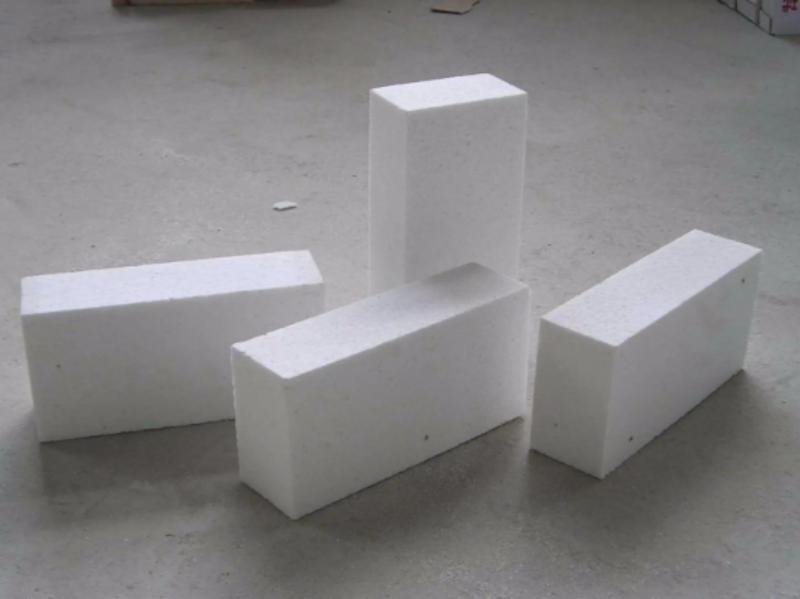
In general, corundum bricks, with their excellent high-temperature performance and chemical stability, have become a key material supporting the stable operation of high-temperature processes in modern basic industries such as steel, petrochemicals, and glass.