Address
Building 1, Zone 1, Greenland Binhu International City, Zhengzhou, Henan, China
Work Hours
Monday to Friday: 9AM - 7PM
Weekend: 10AM - 6PM
Address
Building 1, Zone 1, Greenland Binhu International City, Zhengzhou, Henan, China
Work Hours
Monday to Friday: 9AM - 7PM
Weekend: 10AM - 6PM

Corundum bricks play a crucial role in the ceramic industry, primarily serving as linings and key structural components for high-temperature kilns. This is due to their high alumina (Al₂O₃) content (typically ≥90%), which endows them with high refractoriness, high-temperature structural strength, good chemical stability, and excellent thermal shock resistance.
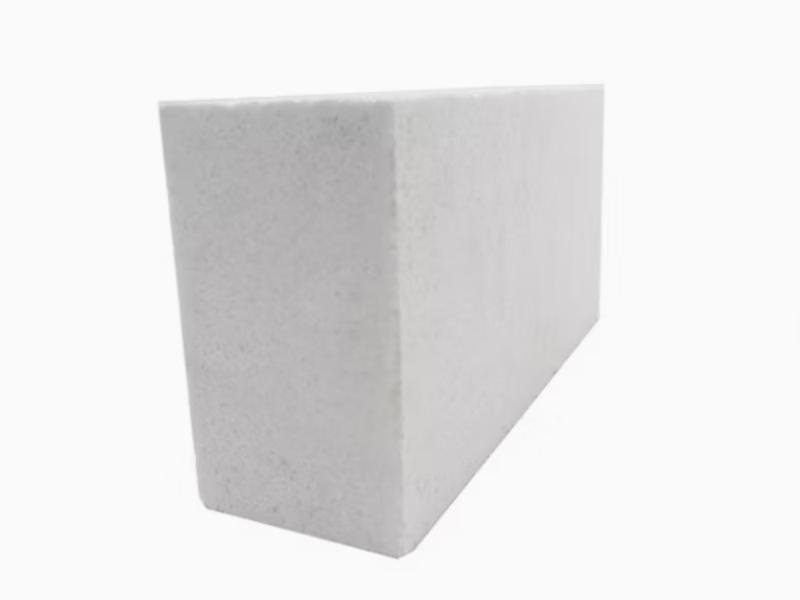
In specific production processes, corundum bricks are mainly used in the following areas:
As the working layer lining of these continuous kilns, corundum bricks are in direct contact with the flame, resisting the severe thermal shock and chemical erosion of the high-temperature firing zone, ensuring the long-term stable operation of the kiln. In high-voltage electrical porcelain firing tunnel kilns and building material roller kilns, lightweight corundum bricks are also used as direct-fired layer linings, combining high-temperature resistance and energy-saving effects.
Utilizing its high strength and excellent high-temperature volume stability, corundum bricks are used to manufacture kiln furniture such as kiln car roof panels, columns, and beams to support and bear the ceramic products to be fired, ensuring they do not deform at high temperatures.
For specialty ceramics and electronic ceramics requiring high purity, corundum bricks can be used as linings for firing furnaces. Their high purity effectively prevents product contamination at high temperatures.
For more demanding applications, zirconium corundum bricks, which incorporate zirconium oxide into corundum, are used. Their erosion resistance and thermal shock resistance are further enhanced, and they are often used in highly eroded areas such as the discharge port of ceramic frit glaze kilns.