Address
Building 1, Zone 1, Greenland Binhu International City, Zhengzhou, Henan, China
Work Hours
Monday to Friday: 9AM - 7PM
Weekend: 10AM - 6PM
Address
Building 1, Zone 1, Greenland Binhu International City, Zhengzhou, Henan, China
Work Hours
Monday to Friday: 9AM - 7PM
Weekend: 10AM - 6PM

A roasting furnace is an industrial device that uses heating below the material’s melting temperature to induce physicochemical reactions such as dehydration, decomposition, oxidation, reduction, or crystal transformation in the material. It does not handle melting but serves as a crucial pretreatment or heat treatment process in metallurgy, chemical engineering, and new material preparation. Its core value lies in altering the chemical composition or physical structure, preparing the material for subsequent smelting, leaching, or direct application.
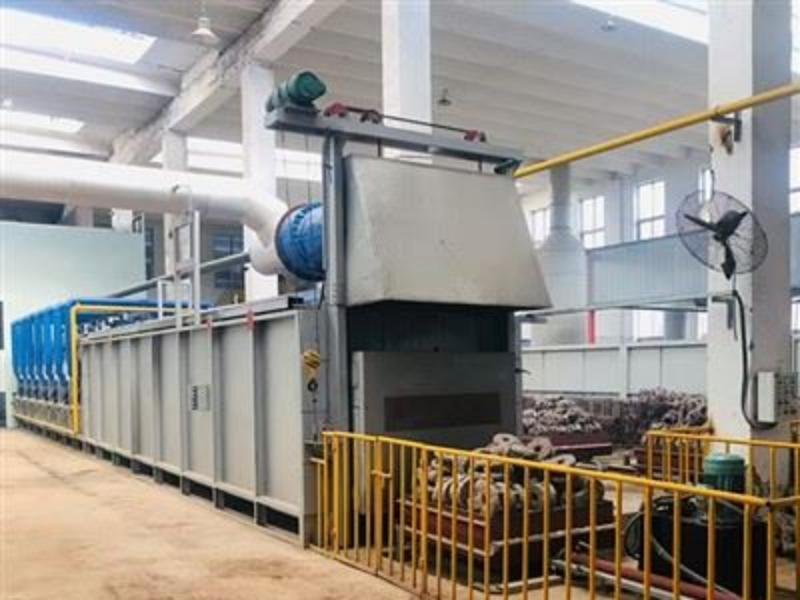
In the metallurgical industry, roasting furnaces are primarily used for ore pretreatment. Through oxidative roasting or sulfation roasting, sulfide ores can be converted into oxides or soluble sulfates, while removing harmful impurities such as sulfur, arsenic, and antimony, providing qualified raw materials for blast furnace smelting or wet leaching. For example, the sintering roasting of lead concentrate requires desulfurization and sintering into lumps in a roasting furnace to meet the requirements of blast furnace reduction smelting. Furthermore, reduction roasting can be used to process lean iron ore or laterite nickel ore, converting weakly magnetic hematite into strongly magnetic magnetite, facilitating subsequent magnetic separation and enrichment.
In the fields of chemical engineering and new materials, calcining furnaces play a crucial role in powder synthesis and modification. They can be used to prepare inorganic powders, such as carbides, nitrides, electronic ceramic powders, and lithium-ion battery cathode materials (lithium cobalt oxide, lithium iron phosphate, etc.). In catalyst production, calcining furnaces are used for the fixation and thermal decomposition of active components, transforming catalyst precursors into specific crystalline phases with catalytic activity. Molecular sieves, activated carbon, and other adsorbent materials also require calcination to remove template agents or create pores.
Environmental protection and resource recycling are another important application of calcining furnaces. Waste catalysts or resins containing precious metals can have their organic components removed through calcination, enriching the metals in the ash for easy recovery. In contaminated soil remediation, calcination can pyrolyze organic pollutants. After calcination, harmful organic matter in oily sludge or waste residue is decomposed, and the residue is stabilized. Furthermore, some calcining furnaces are equipped with exhaust gas treatment systems to control the emission of harmful gases generated during the calcination process.
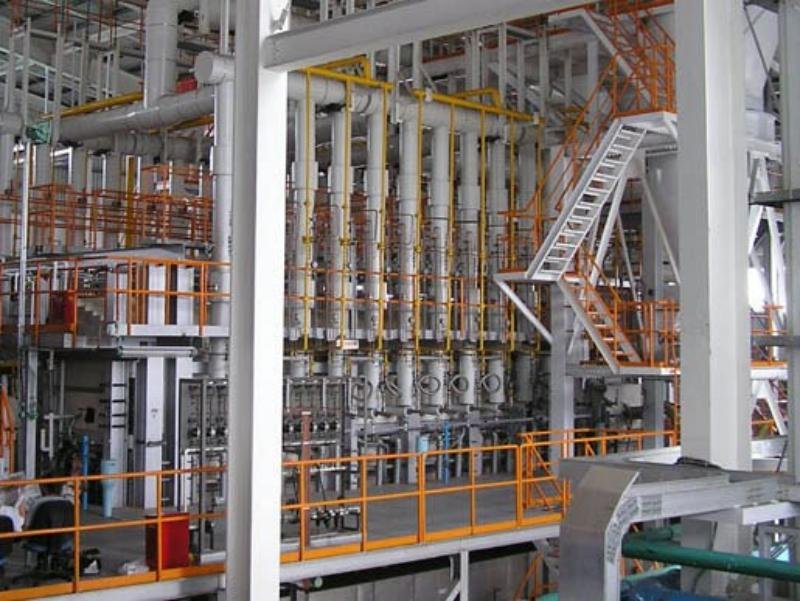
Overall, the applications of roasting furnaces revolve around “modification” and “purification,” covering a wide range of industrial chains from mineral processing to fine material synthesis, making them an indispensable heat treatment equipment in modern process industries.