Address
Building 1, Zone 1, Greenland Binhu International City, Zhengzhou, Henan, China
Work Hours
Monday to Friday: 9AM - 7PM
Weekend: 10AM - 6PM
Address
Building 1, Zone 1, Greenland Binhu International City, Zhengzhou, Henan, China
Work Hours
Monday to Friday: 9AM - 7PM
Weekend: 10AM - 6PM

The core roles of lightweight insulating castables in kilns are “thermal insulation” and “structural weight reduction.” They reduce heat loss from the kiln body through their low thermal conductivity and reduce the load on the kiln body due to their lower bulk density, thus significantly improving the kiln’s thermal efficiency and operational economy.
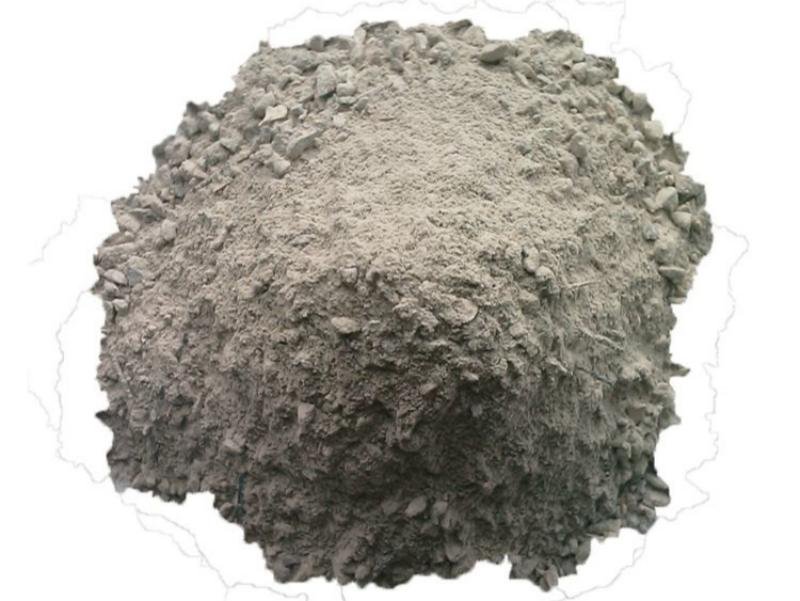
Lightweight insulating castables have high porosity, which makes their thermal conductivity much lower than that of traditional heavy refractory materials. During kiln operation, they effectively impede heat conduction outwards, directly reducing the temperature of the outer wall of the kiln, thereby significantly reducing fuel consumption. Data shows that using lightweight castables can reduce heat loss by as much as 20% to 80% and help accelerate the furnace’s heating rate.
Lightweight insulating castables typically have a bulk density of only 0.45 to 1.5 g/cm³, far lower than heavy castables (often above 2.2 g/cm³). Using them as the insulation layer or backing of the furnace lining can significantly reduce the load on the furnace steel structure. Furthermore, with the increased strength of modern lightweight castables, they can even replace the traditional composite structure of “heavy working layer + lightweight insulation layer” in some lower-temperature areas or areas not in direct contact with the molten metal, thereby reducing the overall thickness of the furnace lining and simplifying construction.
In addition to insulation and weight reduction, lightweight insulating castables also have good thermal shock resistance, buffering stress caused by temperature fluctuations and reducing furnace lining cracking. Some specially formulated lightweight alkali-resistant castables can also resist the erosion of alkaline gases in conditions such as cement kilns, extending the service life of the lining.
In summary, lightweight insulating castables have become a key material for achieving lightweight design and low-carbon operation of modern industrial kilns through their synergistic effects in energy saving, weight reduction, and stable production.