Address
Building 1, Zone 1, Greenland Binhu International City, Zhengzhou, Henan, China
Work Hours
Monday to Friday: 9AM - 7PM
Weekend: 10AM - 6PM
Address
Building 1, Zone 1, Greenland Binhu International City, Zhengzhou, Henan, China
Work Hours
Monday to Friday: 9AM - 7PM
Weekend: 10AM - 6PM

The core insulation materials used in kilns are lightweight, porous materials that act like a heat-insulating garment for the kiln, preventing heat loss. Based on their shape and material, they can be mainly divided into the following categories:
These are traditional shaped insulation materials that achieve insulation by creating numerous tiny pores. Common types include:
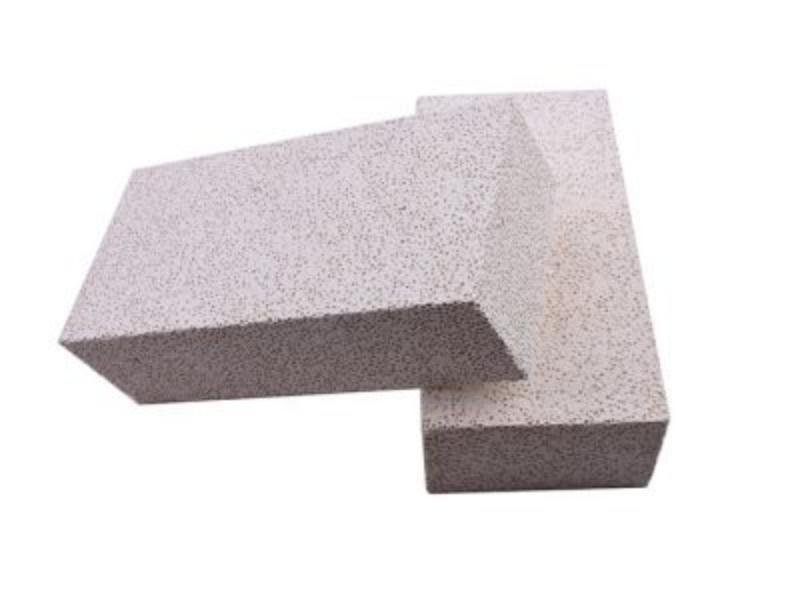
Lightweight Clay Bricks: Made from refractory clay, these are the most widely used, but their operating temperature is relatively low.
Lightweight High-Alumina Bricks/Mullite Bricks: These are heat-resistant, have higher strength, and some can even be directly exposed to flames.
Lightweight Silica Bricks: These have good stability at high temperatures, with a softening temperature exceeding 1600℃ under load.
Hollow Sphere Bricks: Such as alumina hollow sphere bricks, these are made from molten and blown hollow spheres and can be used for extended periods at 1800℃, making them top-tier insulation materials.
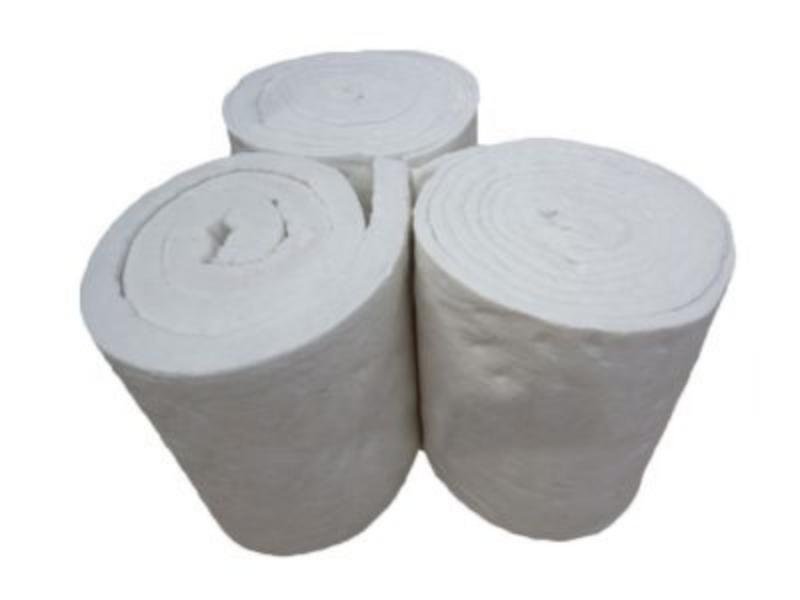
These are new, high-efficiency insulation materials, resembling cotton or blankets, made from molten and blown raw materials such as refractory bauxite and alumina. Its characteristics include extreme lightness (density only 0.1-0.2 g/cm³), extremely low thermal conductivity, and resistance to thermal shock. It can be made into blankets, boards, ropes, etc., for filling, sealing, or backing insulation, but its strength is low and it cannot withstand mechanical stress.
These materials are flexible in use and are often used for filling or coating:
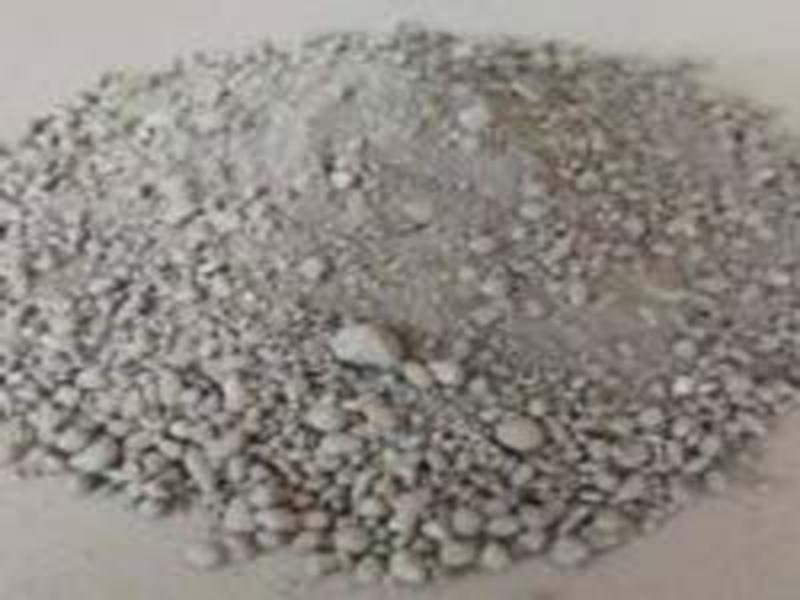
Lightweight granules/powders: such as expanded perlite, diatomaceous earth, vermiculite, slag wool, etc., commonly used for low-temperature areas or pipeline insulation.
Lightweight castables: can be cast on-site to form an insulation layer, making construction convenient.
New nanomaterials: such as nano-Al₂O₃/SiO₂ insulation materials, which can form nanoscale pores and have extremely low thermal conductivity (0.031-0.050 W/(m·K)), representing the future development direction.