Address
Building 1, Zone 1, Greenland Binhu International City, Zhengzhou, Henan, China
Work Hours
Monday to Friday: 9AM - 7PM
Weekend: 10AM - 6PM
Address
Building 1, Zone 1, Greenland Binhu International City, Zhengzhou, Henan, China
Work Hours
Monday to Friday: 9AM - 7PM
Weekend: 10AM - 6PM

Corundum bricks (Al₂O₃ content ≥90%) play an irreplaceable role in the metallurgical industry due to their superior high-temperature performance and chemical stability, and are an indispensable key material in modern steel and non-ferrous metal smelting.
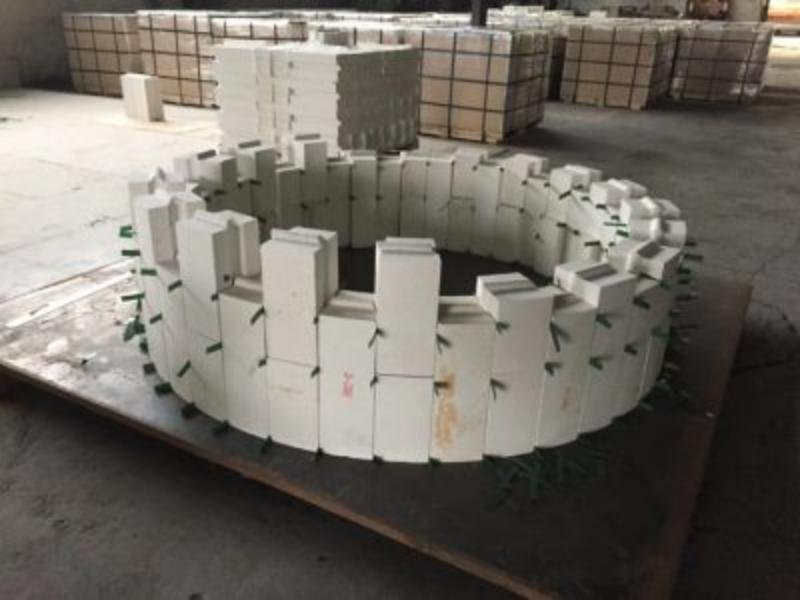
In the steel industry, corundum bricks are the preferred lining material for many core equipment components. They are used to construct high-temperature, high-pressure, and severely eroded areas such as the blast furnace belly and tuyeres, as well as the regenerators of hot blast stoves, capable of withstanding temperatures above 1750℃ and intense airflow. In converters, electric arc furnaces, and ladle refining furnaces (such as LF and VD furnaces), the excellent slag erosion resistance and molten steel penetration resistance of corundum bricks effectively resist the chemical erosion of high-temperature molten slag, preventing steel contamination and significantly improving steel purity and equipment lifespan. Furthermore, key functional components in continuous casting processes, such as sliding gate nozzles and permeable bricks, also frequently utilize corundum materials, leveraging their high strength and high thermal shock resistance to achieve precise control of molten steel flow rate.
In the non-ferrous metal smelting field, corundum bricks also perform exceptionally well. For example, in aluminum electrolysis cells, it serves as a lining material that resists the severe corrosion from high-temperature cryolite molten salt and liquid aluminum. In flash smelting furnaces for heavy metals such as copper and zinc, it also effectively resists the scouring and chemical corrosion of high-FeO slag.
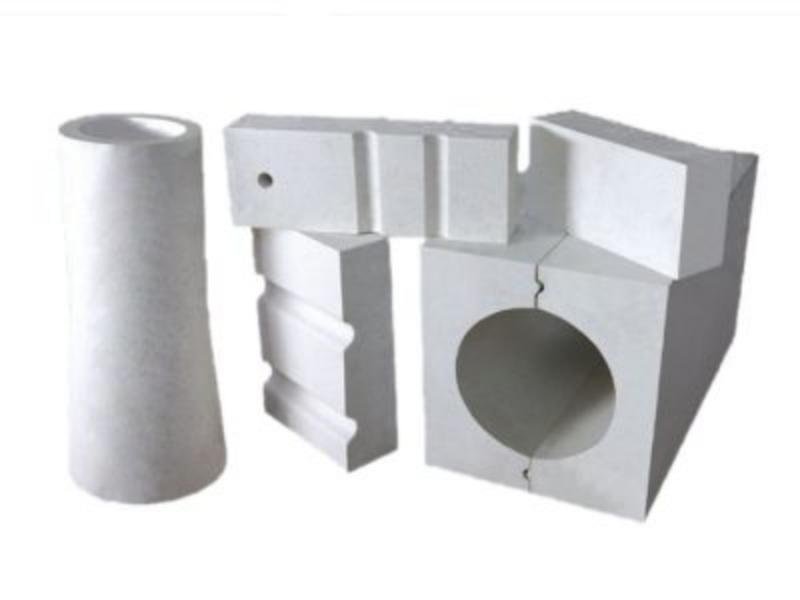
In summary, corundum bricks, with their stable chemical properties at extreme high temperatures, high strength, and corrosion resistance, comprehensively safeguard the entire metallurgical process from ironmaking and steelmaking to continuous casting and non-ferrous smelting, acting as “high-temperature guardians” to ensure production efficiency and product quality.