Address
Building 1, Zone 1, Greenland Binhu International City, Zhengzhou, Henan, China
Work Hours
Monday to Friday: 9AM - 7PM
Weekend: 10AM - 6PM
Address
Building 1, Zone 1, Greenland Binhu International City, Zhengzhou, Henan, China
Work Hours
Monday to Friday: 9AM - 7PM
Weekend: 10AM - 6PM

A coke oven is a core thermal equipment in the iron and steel metallurgical industry, used for the dry distillation of coking coal into coke. Its interior is subjected to harsh environments of high temperature, periodic thermal shock, chemical erosion, and mechanical loads. Refractory materials, as the core of the coke oven lining, directly determine the oven’s lifespan, production efficiency, and coke quality. Silicon bricks, with their unique high-temperature properties, have become the preferred material for key components of modern large and medium-sized coke ovens, accounting for 60% to 70% of the total refractory materials used in coke ovens. Their rational application stems primarily from the following four core reasons:
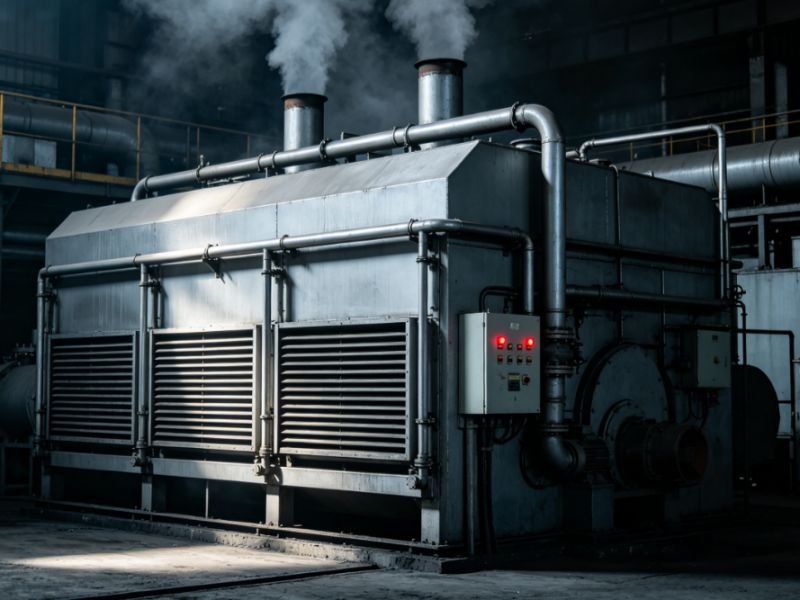
The ultra-high load-bearing softening temperature of silicon bricks perfectly matches the high-temperature load-bearing requirements of coke ovens. The local temperature in the coke oven combustion chamber can reach over 1300℃, the carbonization chamber is maintained at 1000~1100℃ for extended periods, and the oven roof must withstand the dynamic load of the coal charging cars. Silicon bricks are acidic refractory materials, primarily composed of silicon dioxide (≥94%). After high-temperature firing, they form stable crystals mainly composed of tridymite and cristobalite, with a load softening temperature exceeding 1620℃, only 70-80℃ lower than their refractoriness. They maintain structural rigidity even at near-melting-point temperatures, without softening, creep, or deformation, effectively ensuring the integrity of the furnace structure. This is an advantage unmatched by clay bricks and ordinary high-alumina bricks.
Excellent high-temperature thermal conductivity and volumetric stability contribute to improved coke oven production efficiency. Coke oven production relies on the efficient transfer of heat from the combustion chamber to the carbonization chamber. The thermal conductivity of silicon bricks increases with operating temperature, accelerating heat penetration, shortening the coking cycle, and reducing energy consumption. It also ensures uniform heating of the coke, improving product quality. Furthermore, silicon bricks undergo slight volume expansion at 1450℃, precisely compensating for thermal expansion gaps in the furnace body, resulting in tighter bonding and better airtightness of the masonry. High-quality silicon bricks contain 50%–80% tridymite, a crystal form with low linear expansion and stable volume. Furthermore, strict control of true density during production (≤2.34 g/cm³) ensures that silica bricks exhibit no significant residual shrinkage during long-term high-temperature use, preventing cracking and damage to the furnace walls.
Strong resistance to acid erosion, suitable for the complex chemical environment of coke ovens. During coking, coal distillation produces corrosive media such as sulfides and acidic slag. Due to its high silica content, silicon bricks have extremely strong resistance to acidic gases and slag, effectively resisting erosion and extending service life. In comparison, clay bricks have weaker acid resistance and are prone to shrinkage at high temperatures. High-alumina bricks are not resistant to acidic slag erosion and can only be used in secondary parts of coke ovens. Simultaneously, silicon bricks are perfectly compatible with silica fire mortar. The waste silica brick powder added to the silica fire mortar has the same thermal expansion curve as silica bricks, resulting in strong adhesion at high temperatures and further improving the sealing of the masonry.
Adaptable to the critical operating conditions of coke ovens, offering outstanding cost-effectiveness and practicality. The combustion chamber, inclined flue, and regenerator of a coke oven are key components determining its operational stability. These components place extremely high demands on the high-temperature performance of refractory materials, and silicon bricks perfectly match these requirements. Although silica bricks exhibit poor thermal shock resistance below 600℃, this shortcoming can be mitigated by strictly controlling the oven heating curve, and their high-temperature performance advantages far outweigh this limitation. Furthermore, silicon brick raw materials are widely available, and the production process is mature. Compared to other high-end refractory materials, it achieves a balance between cost and performance while meeting the stringent requirements of coke ovens, making it the optimal choice for large-scale coke oven production.
In summary, silicon bricks, with their extremely high high-temperature load-bearing capacity, excellent thermal conductivity and dimensional stability, strong resistance to acid erosion, and high adaptability to the operating conditions of critical coke oven components, have become an indispensable core refractory material for coke ovens. Its application can not only ensure the long-term stable operation of coke ovens and extend their service life. But also improve production efficiency and coke quality, providing solid support for the efficient development of the coking industry.