Address
Building 1, Zone 1, Greenland Binhu International City, Zhengzhou, Henan, China
Work Hours
Monday to Friday: 9AM - 7PM
Weekend: 10AM - 6PM
Address
Building 1, Zone 1, Greenland Binhu International City, Zhengzhou, Henan, China
Work Hours
Monday to Friday: 9AM - 7PM
Weekend: 10AM - 6PM

Aluminum bricks, with their excellent high-temperature resistance, acid and alkali corrosion resistance, thermal shock resistance, and erosion resistance, are the core refractory lining material for high-temperature kilns in the chemical industry. They are widely compatible with mainstream kiln equipment in petrochemical, coal chemical, and fine chemical industries, and are suitable for complex operating conditions above 1200℃.
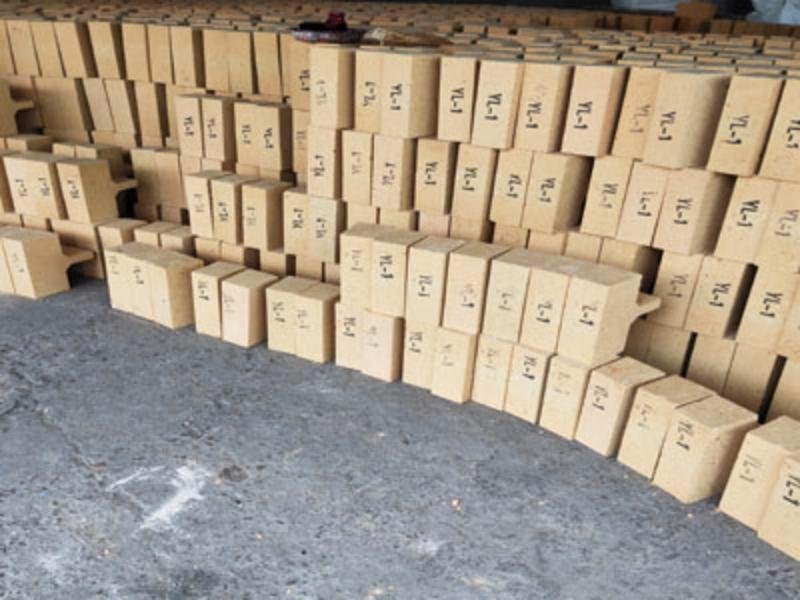
In the petrochemical field, aluminum bricks are mainly used in high-temperature cracking furnaces, catalytic cracking furnaces, and reforming heating furnaces. These kilns operate in environments with high-temperature oil and gas, acidic sulfides, and frequent temperature fluctuations. High-alumina bricks effectively resist media erosion and thermal shock, protecting the furnace lining, preventing lining peeling and leakage, and ensuring stable cracking and catalytic reactions.
The application scenarios are particularly extensive in the coal chemical industry, with core compatibility in gasifiers, gasification furnaces, and synthetic ammonia conversion furnaces. The kilns contain high-temperature molten ash, reducing and acidic gas corrosion, and are also subject to material erosion. Aluminum bricks, with their high strength and low creep properties, are well-suited for critical components such as furnaces, flues, and reaction sections, significantly extending furnace lifespan and reducing equipment maintenance frequency.
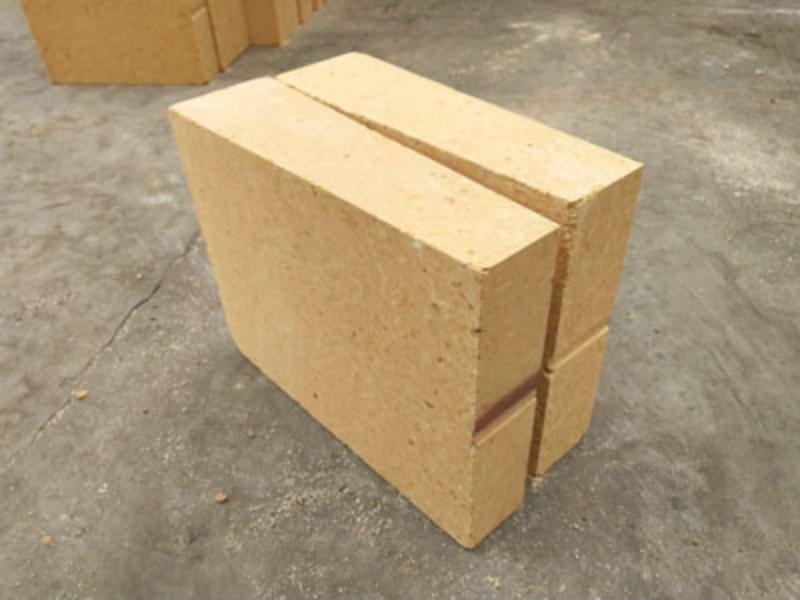
Furthermore, aluminum bricks are also suitable for chemical incinerators, waste heat boilers, and rotary kilns for material roasting. In environments such as chemical waste incineration and inorganic salt roasting, where acid and alkali slag corrosion and high-speed airflow erosion occur, aluminum bricks can stably withstand these harsh conditions. Compared to ordinary refractory bricks, their resistance to penetration and spalling is superior, effectively meeting the continuous and high-intensity production requirements of chemical kilns, making them the preferred refractory material for high-temperature thermal equipment in the chemical industry.