Address
Building 1, Zone 1, Greenland Binhu International City, Zhengzhou, Henan, China
Work Hours
Monday to Friday: 9AM - 7PM
Weekend: 10AM - 6PM
Address
Building 1, Zone 1, Greenland Binhu International City, Zhengzhou, Henan, China
Work Hours
Monday to Friday: 9AM - 7PM
Weekend: 10AM - 6PM

Aluminum bricks (high-alumina bricks) are widely used in the lining of various industrial kilns due to their high refractoriness, good slag resistance, and high-temperature strength. However, their physicochemical properties dictate that strict specifications must be followed during construction and use. Improper use can easily lead to spalling, cracking, or even premature collapse.
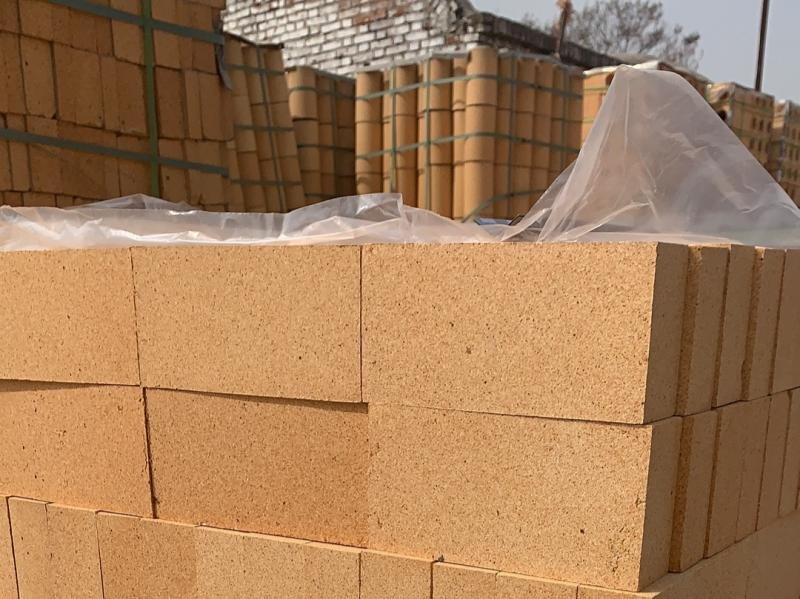
Newly laid aluminum brick linings contain a large amount of physical and crystalline water. Baking is crucial in determining their service life. Rapid heating can cause stress from the rapid evaporation of moisture, leading to brick cracking or complete lining spalling.
Baking must follow the principle of “slow heating, no backtracking, and no interruption.” Generally, the heating rate should be controlled at 30℃/h and held before reaching 110℃, controlled at 40℃/h before reaching 300℃, and controlled at 50℃/h after reaching 300℃. The total baking time is usually no less than 16-20 hours. For kilns with greater thickness or complex structures, the holding time should be appropriately extended to ensure complete moisture evaporation.
The quality of masonry directly affects the structural stability of the aluminum brick lining. High-alumina refractory mortar of the same material as the alumina bricks must be used during construction. Mixing with clay mortar is strictly prohibited, as the difference in shrinkage rates at high temperatures can cause cracking in the brick joints.
The mortar joints should be strictly controlled within the range of 1-3mm to ensure full mortar coverage and a smooth wall surface. To prevent stress from high-temperature thermal expansion from damaging the furnace body, expansion joints must be reserved according to the kiln structure during masonry construction. For large kilns, a 20-30mm expansion joint should be reserved every 10-15 meters.
Although alumina bricks have high refractoriness, they are relatively sensitive to thermal shock stability. Frequent temperature fluctuations or localized overheating should be avoided during operation, otherwise, it will exacerbate brick spalling.
When aluminum bricks are used in aluminum melting furnaces, the temperature of the molten aluminum should be strictly controlled and should not exceed 1300℃ for extended periods. Furthermore, the Al₂O₃ content of the bricks themselves is recommended to be above 75% to resist aluminum erosion. Furthermore, although aluminum bricks are nearly neutral, they still require careful use in strongly alkaline or acidic slag environments to prevent chemical corrosion.
During kiln operation, the integrity of the aluminum brick surface must be checked regularly, especially the condition of the kiln lining in the firing zone. If severe cracks, peeling, or localized erosion are found on the working surface, immediate repair or replacement should be carried out to prevent the problem from escalating.
It is important to note that when temporarily shutting down the kiln to handle a malfunction, insulation measures should be taken to prevent irreversible structural damage to the aluminum bricks caused by a sudden drop in furnace temperature.
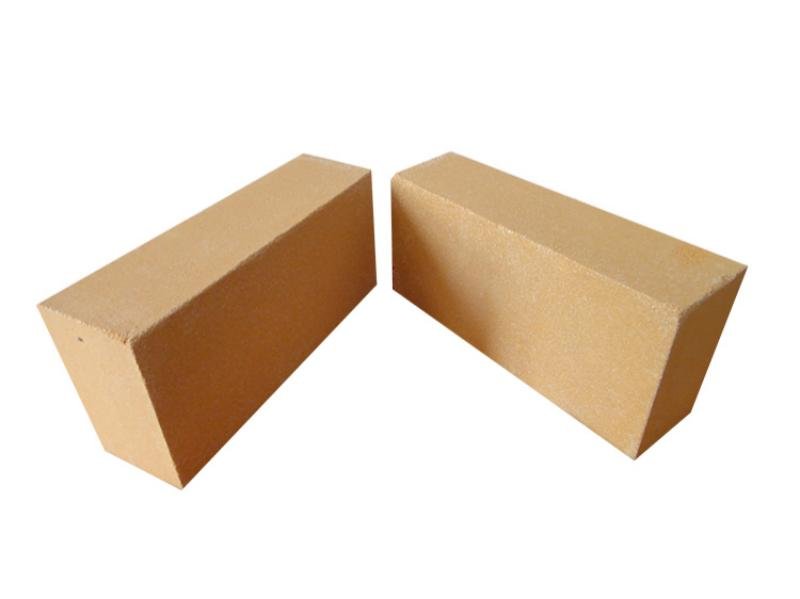
The use of aluminum bricks is a systematic project. From material selection, construction, baking to daily operation, every step must be strictly controlled. Only by selecting appropriate materials, standardizing the construction, and strictly implementing the baking and heating procedures can the excellent performance of the alumina bricks be fully utilized, ensuring the safe and long-term operation of the kiln.