Address
Building 1, Zone 1, Greenland Binhu International City, Zhengzhou, Henan, China
Work Hours
Monday to Friday: 9AM - 7PM
Weekend: 10AM - 6PM
Address
Building 1, Zone 1, Greenland Binhu International City, Zhengzhou, Henan, China
Work Hours
Monday to Friday: 9AM - 7PM
Weekend: 10AM - 6PM

The price of aluminum bricks (high aluminum bricks) is not fixed but determined by multiple factors. In summary, the main factors are as follows:
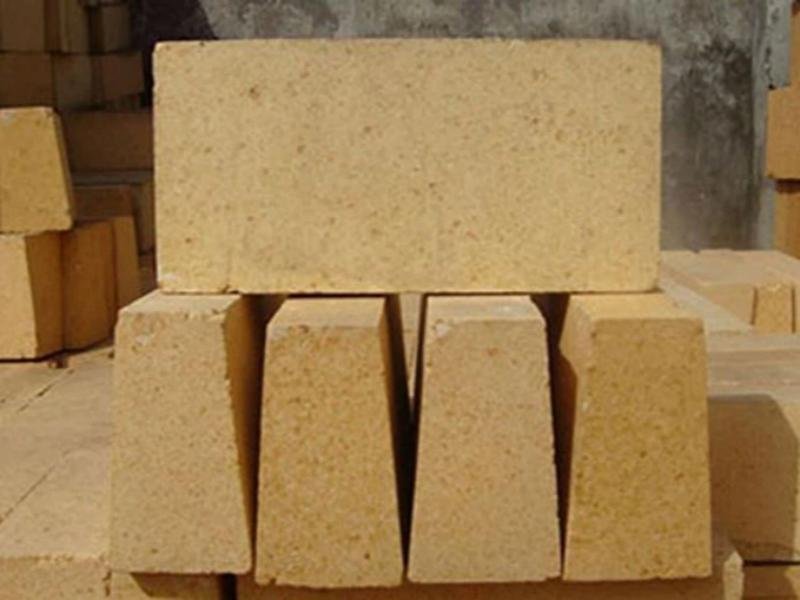
This is the most crucial factor determining price. High aluminum bricks are mainly classified into three grades based on alumina content: Grade 1 (≥75%), Grade 2 (60%-75%), and Grade 3 (48%-60%). Higher alumina content means more expensive raw materials, better refractoriness, and better softening temperature under load, resulting in a higher price. For example, Grade 1 bricks can cost 2950-3200 yuan/ton, while Grade 3 bricks cost only 1200-1350 yuan/ton. Furthermore, bulk density and porosity are also critical; a difference of 0.1 in bulk density can result in a price difference of 300-500 yuan.
Cost is the rigid support for price. The grade and price of bauxite directly affect the cost of high aluminum bricks; an increase in bauxite prices directly pushes up brick prices. Meanwhile, the molding pressure and firing temperature during the production process also determine the cost. Grade 1 bricks require high-pressure molding and long-term firing at temperatures above 1550℃, resulting in significantly higher energy consumption and production complexity compared to Grade 3 bricks.
Market supply and demand directly affect price fluctuations. From the supply side, major producing areas such as Henan and Shanxi are frequently subject to production restrictions due to environmental regulations, tightening supply and supporting prices. From the demand side, weak demand from the main downstream steel industry leads to a “weak supply and demand” market; even with rising costs, high aluminum brick prices face a dilemma of “rising or falling.”
Standard-sized bricks have high production efficiency and low cost. Irregularly shaped bricks require separate molds, making production more difficult and resulting in a higher scrap rate, with prices 30%-50% higher than standard bricks. Furthermore, order quantity also affects price; small-batch or single-piece customized production has higher mold and process costs, leading to very high unit prices.
While products from well-known brands are more expensive, they typically have stricter quality control and more stable performance. Furthermore, comprehensive technical support and after-sales service are also part of their value, providing customers with long-term assurance.