Address
Building 1, Zone 1, Greenland Binhu International City, Zhengzhou, Henan, China
Work Hours
Monday to Friday: 9AM - 7PM
Weekend: 10AM - 6PM
Address
Building 1, Zone 1, Greenland Binhu International City, Zhengzhou, Henan, China
Work Hours
Monday to Friday: 9AM - 7PM
Weekend: 10AM - 6PM

Silica fire bricks, as a commonly used refractory material, are priced due to a combination of factors. The core fluctuations revolve around three main areas: cost, quality, and market supply and demand.
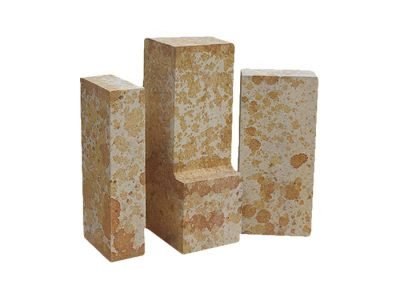
Raw material costs form the basis of pricing. Silica fire bricks use high-purity silica as their core raw material; the SiO₂ content and impurity content directly determine the raw material price. High-purity silica is difficult to mine and purify, resulting in significantly higher costs than ordinary raw materials. Simultaneously, fluctuations in the prices of auxiliary materials such as mineralizers and binders, as well as environmental restrictions on mining and changes in raw material supply and demand, all directly impact silica fire brick pricing. Higher raw material quality leads to higher overall costs.
Production process and quality determine price gradients. Silica fire bricks require multiple processes, including mixing, molding, and high-temperature firing. Firing temperature, holding time, and equipment precision directly affect the product’s density, refractoriness, and other properties. High-quality silica fire bricks have lower yields, higher energy consumption, and stricter process control, significantly increasing costs. Silica fire bricks produced using ordinary processes meet performance standards but have lower costs and are more affordable. Furthermore, product specifications also affect pricing; standard sizes have lower mass production costs. Irregularly shaped or customized products require mold making, resulting in higher prices.
Market supply and demand, along with the external environment, exacerbate price fluctuations. When downstream industries such as steel, coking, and glass experience strong demand, silica fire bricks are in short supply, leading to price increases. Conversely, during industry off-seasons or when there is overcapacity, prices are suppressed. Simultaneously, transportation distance, labor costs, energy prices, and environmental policies indirectly influence pricing. The costs of long-distance transportation and equipment upgrades due to stringent environmental regulations are ultimately factored into the product’s selling price.
In conclusion, silica fire brick prices are not fixed. Raw material quality, production processes, product specifications, market supply and demand, and external costs collectively determine the final price. Procurement should consider both quality requirements and market conditions.