Address
Building 1, Zone 1, Greenland Binhu International City, Zhengzhou, Henan, China
Work Hours
Monday to Friday: 9AM - 7PM
Weekend: 10AM - 6PM
Address
Building 1, Zone 1, Greenland Binhu International City, Zhengzhou, Henan, China
Work Hours
Monday to Friday: 9AM - 7PM
Weekend: 10AM - 6PM

Ceramic fiber blankets primarily serve three functions in kilns: heat insulation, furnace lining sealing, and thermal protection. They are a key material for energy conservation and emission reduction in industrial kilns. Specific applications include:
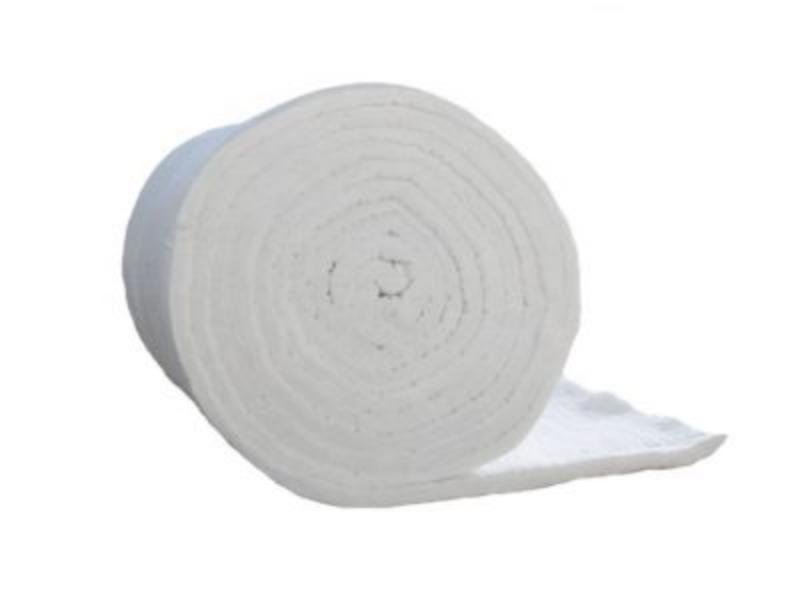
Ceramic fiber blankets are widely used as the hot face or backing insulation layer in various industrial kilns (such as roller kilns, tunnel kilns, and heat treatment furnaces). Their low thermal conductivity and small heat capacity significantly reduce heat loss from the furnace body, while shortening the kiln’s heating and cooling time, thus improving thermal efficiency.
Due to their good flexibility and high tensile strength, fiber blankets are often cut for heat insulation and sealing of kiln doors and top covers, as well as for filling expansion joints in masonry. They effectively prevent hot air leakage and cold air intrusion, maintaining a stable temperature inside the furnace.
In kiln car platforms, high-temperature flues, and hot air ducts, ceramic fiber blankets serve as insulating linings or outer layers, reducing heat loss and protecting metal components from overheating deformation.
Ceramic fiber blankets are the base material for processing refractory fiber modules and folded blocks. These modules are commonly used for rapid installation of large-area furnace linings, further improving construction efficiency and lining stability.
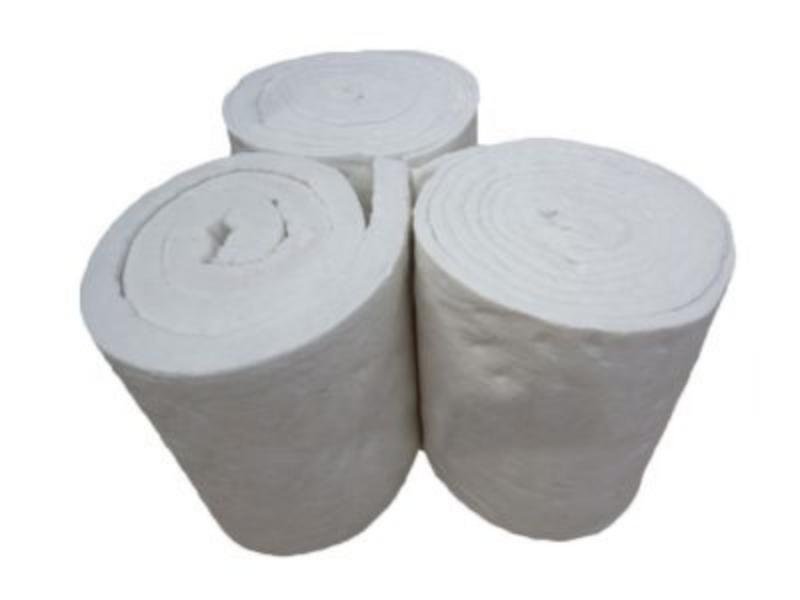
Their performance advantages include low thermal conductivity, excellent thermal stability and thermal shock resistance, and the absence of binders, allowing them to maintain their fiber structure for extended periods under neutral and oxidizing atmospheres.