Address
Building 1, Zone 1, Greenland Binhu International City, Zhengzhou, Henan, China
Work Hours
Monday to Friday: 9AM - 7PM
Weekend: 10AM - 6PM
Address
Building 1, Zone 1, Greenland Binhu International City, Zhengzhou, Henan, China
Work Hours
Monday to Friday: 9AM - 7PM
Weekend: 10AM - 6PM

The refractory materials lining the inner wall of a rotary kiln are crucial for resisting high temperatures, corrosion, and wear, directly affecting the equipment’s service life and production stability. Appropriate materials must be selected based on the working environment of different parts of the kiln. They are mainly divided into the following categories, with the total usage matching the kiln body specifications.
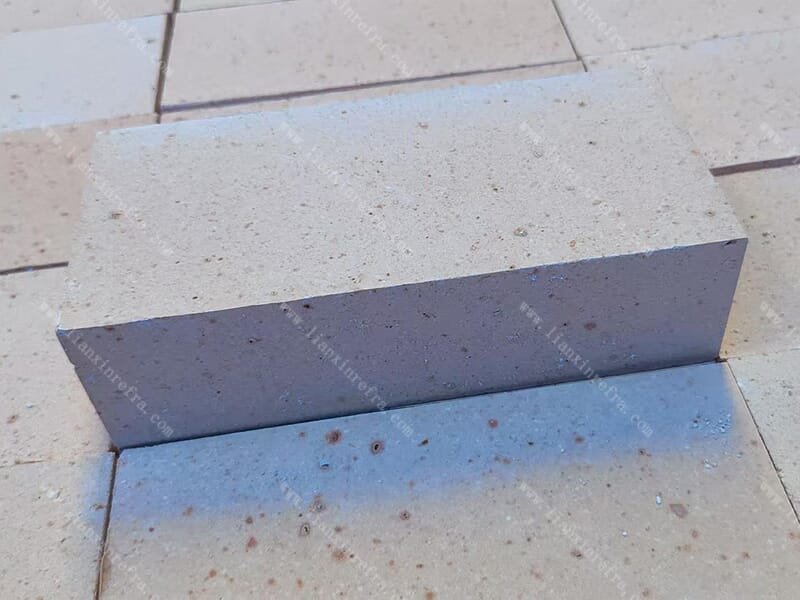
Silica-alumina refractories are the most widely used type, mainly high-alumina bricks and clay bricks. High-alumina bricks have an alumina content ≥48%, are resistant to high temperatures, have high strength, and are suitable for the medium-temperature zone of the kiln body, resisting material abrasion and moderate-temperature corrosion. Clay bricks have lower costs and moderate high-temperature resistance. They are mostly used in low-temperature areas such as the kiln tail and preheater, offering excellent cost-effectiveness.
Alkaline refractories are suitable for high-temperature and highly corrosive areas within the kiln. These mainly include magnesia bricks and magnesia-chrome bricks. Magnesia bricks have excellent high-temperature resistance and strong resistance to alkaline slag erosion, and are used in high-temperature areas such as the kiln head firing zone. Magnesia-chrome bricks possess both high-temperature resistance and corrosion resistance, making them suitable for highly corrosive conditions such as cement clinker calcination. However, environmental compliance must be carefully considered.
Special function refractory materials are used for specific applications, such as insulating bricks and wear-resistant castables. Insulating bricks have a porous texture and low thermal conductivity, used in kiln insulation layers to reduce heat loss. Wear-resistant castables can be cast on-site, exhibiting strong adhesion and good wear resistance. They are used in areas with severe material erosion, such as feed inlets and outlets, to extend service life.