Address
Building 1, Zone 1, Greenland Binhu International City, Zhengzhou, Henan, China
Work Hours
Monday to Friday: 9AM - 7PM
Weekend: 10AM - 6PM
Address
Building 1, Zone 1, Greenland Binhu International City, Zhengzhou, Henan, China
Work Hours
Monday to Friday: 9AM - 7PM
Weekend: 10AM - 6PM

Reverberatory furnaces, as core thermal equipment in industries such as metallurgy, chemical engineering, and building materials, operate under conditions of high temperature (around 1300℃), thermal shock cycling, and media erosion. The furnace’s refractory structure, thermal system, and auxiliary devices are prone to various malfunctions, directly impacting production continuity, product quality, and operational safety.
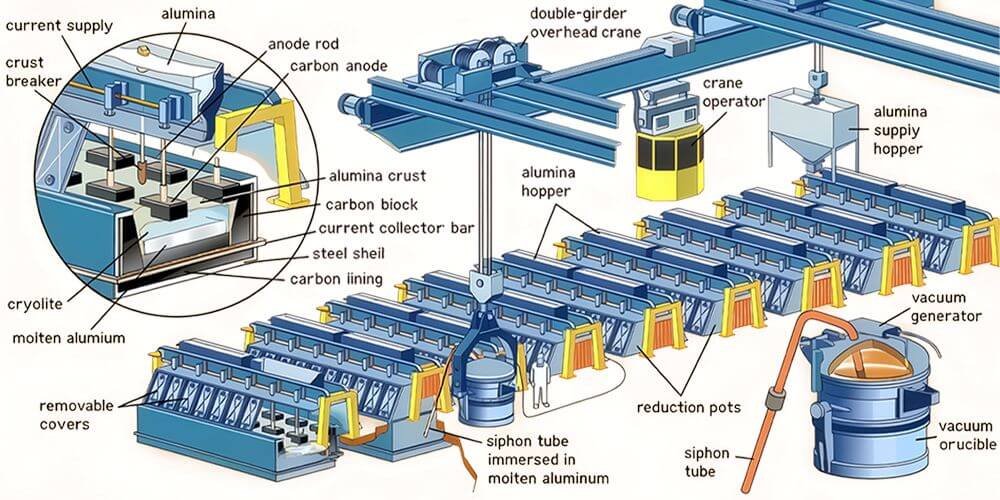
Troubleshooting reverberatory furnace malfunctions requires adhering to the principles of “investigation before treatment, emergency response before radical cure, and localized treatment before overall management.” This involves accurately locating the root cause of the malfunction by combining operating parameters and on-site conditions, and implementing targeted treatment measures. Simultaneously, preventative measures should be taken to fundamentally reduce the malfunction rate. The following are specific solutions, balancing practicality and professional expertise:
Troubleshooting is the prerequisite for solving problems and must be carried out according to standardized procedures to avoid secondary accidents caused by blind operation.
First, the furnace must be shut down based on the malfunction symptoms. Direct contact with the furnace body and disassembly of components are strictly prohibited under high temperatures. The fuel and combustion air supply must be shut off to allow the furnace body to cool naturally to a safe temperature, preventing sudden cooling with cold water that could cause cracking of the refractory layer.
Secondly, verify the equipment operation records, comparing the rated values and abnormal values of parameters such as furnace temperature, furnace pressure, fuel consumption, and heating rate. Investigate the timing and causes of parameter deviations; for example, a sudden drop in furnace temperature may be related to burner blockage or fuel supply interruption.
Finally, conduct on-site inspections, checking for cracks and peeling on the furnace body exterior, for blockages and leaks in the combustion system, flue, and temperature control devices, and for erosion and bulging of the refractory lining. By combining parameter analysis and on-site verification, the location and root cause of the fault can be pinpointed, avoiding missed or misdiagnosed cases.
Targeted solutions are needed for the four most common types of faults in reverberatory furnaces to achieve precise handling.
The first type is damage to the furnace body refractory material. This is the core fault under high-temperature conditions, manifesting as furnace lining cracks, brick peeling, and erosion perforation. It is often caused by improper selection of refractory materials, substandard masonry quality, and frequent thermal shock cycles. Minor cracks can be cleaned and filled with high-temperature refractory mortar and adhesive. For spalling areas less than 0.5㎡, replace with refractory bricks of the same material for localized repair. For melting or large-area damage, the entire damaged area must be removed and rebuilt according to construction specifications. High-alumina refractory bricks suitable for 1300℃ conditions should be prioritized. After rebuilding, strictly adhere to the furnace drying process, controlling the heating rate at 50-80℃/h, and maintain constant temperature curing before putting the furnace into use to prevent secondary cracking.
The second category is abnormal furnace temperature, including excessively low or high temperatures, and large localized temperature differences. For low temperatures, clean burner carbon deposits and impurities, adjust the fuel and combustion air ratio, and repair the furnace insulation layer to reduce heat loss. For excessively high temperatures, calibrate thermocouples and temperature controllers, clean flue ash to ensure smooth exhaust, and increase combustion air volume to optimize combustion efficiency. For large localized temperature differences, adjust the material distribution method, clean slag buildup inside the furnace, ensure uniform material distribution, and avoid uneven heating.
The third category involves abnormal furnace gas flow and pressure, often caused by flue blockage, damper malfunction, or poor furnace sealing. Symptoms include backflow of flue gas and fluctuating furnace pressure. This requires shutting down the furnace to clean accumulated ash, slag, and debris from the flue; inspecting and lubricating the damper’s transmission components; sealing furnace gaps and door seals with high-temperature sealant; and adjusting the furnace pressure to a slightly positive rated range to prevent cold air infiltration or gas leakage.
The fourth category involves auxiliary system malfunctions, encompassing the transmission, temperature control, and fuel supply systems. For stuck furnace doors or rakes, clean accumulated slag from components, lubricate bearings and gears, and replace worn parts. For malfunctioning temperature control systems, calibrate sensors, check wiring connections, and replace the faulty temperature control module. For blocked fuel lines, clean impurities from the lines, check valve seals, replace damaged delivery pumps, and ensure a continuous and stable fuel supply.
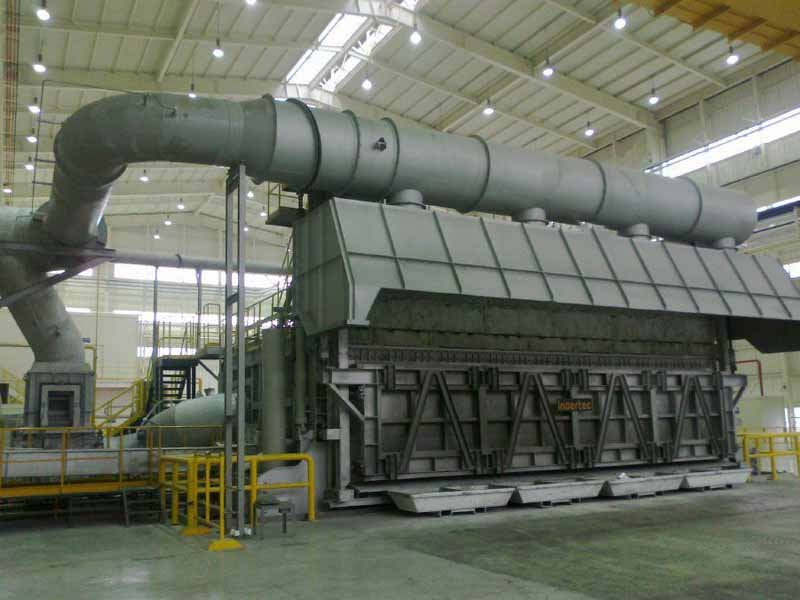
During troubleshooting, strict adherence to safety and operational procedures is essential. Personnel working in high-temperature environments must wear heat-resistant gloves, protective face masks, and other appropriate personal protective equipment. Adequate ventilation is crucial for operations inside the furnace. All repairs and replacements must comply with reverberatory furnace construction standards. The thickness of mortar joints and the staggering of brickwork in the refractory layer must be strictly controlled. After emergency repairs, immediate full-load operation is strictly prohibited. A low-load test run must be conducted first, and the load gradually increased only after all parameters are monitored and found to be normal. Simultaneously, a fault record must be maintained, noting the fault location, root cause, repair method, and test run data to provide a basis for subsequent maintenance.
The core of resolving reverberatory furnace faults lies not only in “symptomatic treatment” but also in reducing the occurrence of faults through long-term prevention. Routine inspections must be implemented every shift, focusing on checking the furnace’s appearance, operating parameters, combustion system, and refractory layer condition. Minor faults should be identified and addressed promptly to prevent small problems from escalating into major malfunctions. Regular equipment maintenance should be conducted, including monthly cleaning of the burners and flues, quarterly checks of the refractory and insulation layers, and a comprehensive overhaul annually, replacing aging components and damaged refractory materials. Operating procedures must be standardized, strictly controlling furnace temperature, heating and cooling rates according to the process to avoid overheating, sudden heating or cooling, and other violations that could damage the furnace. Simultaneously, consumable selection should be optimized based on production conditions, matching suitable refractory and insulation materials to improve the furnace’s overall thermal shock and corrosion resistance.
Troubleshooting reverberatory furnaces is a systematic task, requiring a combination of “precise troubleshooting, standardized handling, and routine prevention.” This involves both quickly resolving existing faults and restoring production, and thoroughly investigating the root causes of faults, optimizing from multiple dimensions including equipment selection, construction quality, daily operation, and regular maintenance.
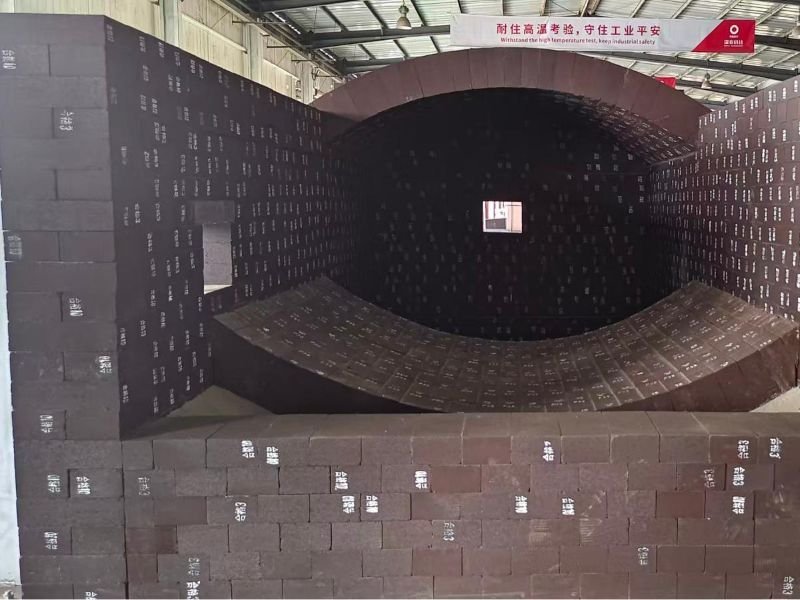
In industrial production, it is necessary to develop specific fault handling plans and equipment maintenance procedures based on the specific operating conditions, improve the fault diagnosis and handling capabilities of operators, keep the operating status of the reverberatory furnace within a controllable range, and ultimately ensure continuous and efficient production while reducing equipment operation and maintenance costs.
Henan Ruitai Lianxin Refractory Materials Co., Ltd is a modern R&D-centered refractory manufacturer manufacturing enterprise integrated with refractories sales and marketing, furnace engineering construction, recycling and sales of waste refractories as well as refractory raw material, technology and goods import and export, and technical services. If you have any needs for refractory materials, please contact us and we will provide you with the best service.