Address
Building 1, Zone 1, Greenland Binhu International City, Zhengzhou, Henan, China
Work Hours
Monday to Friday: 9AM - 7PM
Weekend: 10AM - 6PM
Address
Building 1, Zone 1, Greenland Binhu International City, Zhengzhou, Henan, China
Work Hours
Monday to Friday: 9AM - 7PM
Weekend: 10AM - 6PM

The operating conditions of kilns in the energy industry (thermal power, coal chemical, new energy material calcination, etc.) are complex, facing multiple challenges including high temperatures, corrosion, and wear. The selection of refractory bricks should revolve around three core aspects: adaptability to operating conditions, performance stability, and cost-effectiveness. This can be approached in five steps:
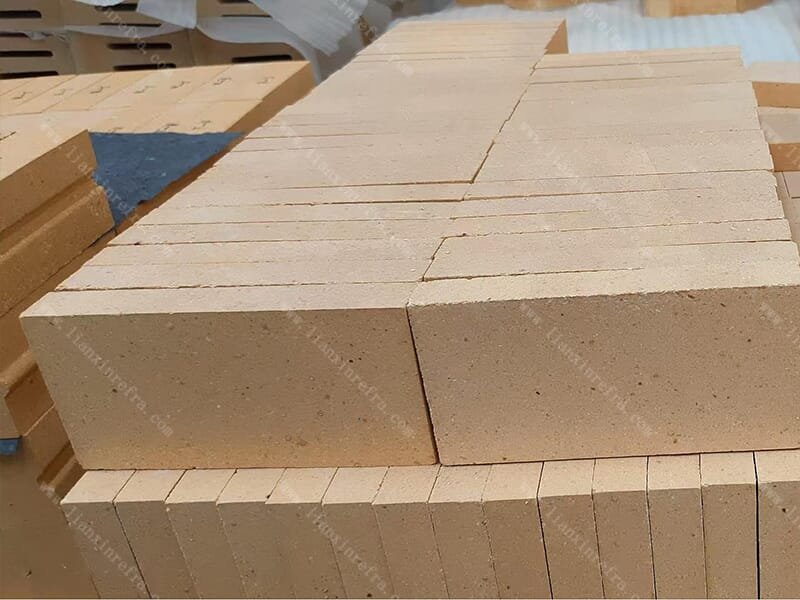
Prioritize confirming the kiln’s operating temperature, atmosphere properties (oxidizing/reducing), corrosiveness of the medium (e.g., sulfur-alkali corrosion in coal-fired power plants, CO corrosion in coal chemical plants), and mechanical wear intensity. For example, the furnace temperature of a thermal power boiler reaches 1200–1500℃, accompanied by fly ash wear, requiring high-alumina or corundum refractory bricks. Coal chemical gasification furnaces face a strong reducing atmosphere, making magnesia-chrome bricks and silicon carbide refractory bricks more suitable.
Select materials based on operating conditions: High-alumina bricks (Al₂O₃≥48%) offer high cost-effectiveness and are suitable for medium- and low-temperature, low-corrosion areas. Corundum bricks are high-temperature resistant and corrosion-resistant, suitable for high-temperature core areas. Magnesia-chrome refractory bricks have strong alkali resistance and are suitable for cement kilns and coal chemical kilns, but environmental compliance must be considered. Silicon carbide bricks have good thermal conductivity and wear resistance, suitable for areas subject to material erosion.
Focus on refractoriness, load softening temperature, thermal shock resistance, compressive strength, and corrosion resistance. Bricks with poor thermal shock resistance are prone to spalling under sudden temperature changes. The load softening temperature must be 50–100℃ higher than the actual operating temperature of the kiln to avoid high-temperature deformation.
Energy kilns are mostly operated continuously, requiring refractory bricks to have good masonry performance. Irregularly shaped bricks must be precisely matched to the kiln structure. Simultaneously, prioritize brick types that are resistant to spalling and easy to maintain to reduce the frequency and cost of furnace shutdowns for maintenance.
Avoid bricks containing excessive chromium and prioritize chromium-free refractory materials (such as magnesia-alumina spinel refractory bricks) that comply with domestic and international environmental standards. While meeting performance requirements, comprehensively consider procurement costs, transportation costs, and service life to avoid production capacity losses caused by frequent replacements of low-priced bricks.
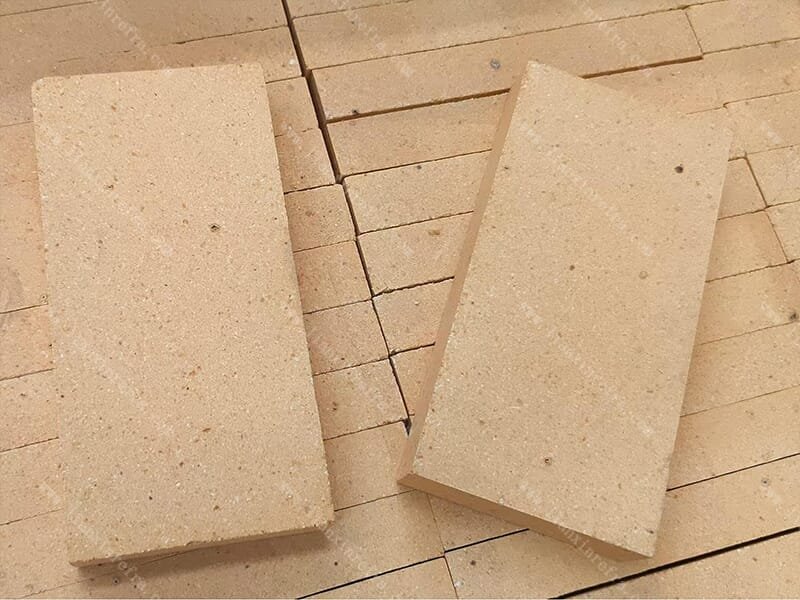
In summary, the core of refractory brick selection in the energy industry is “material selection based on operating conditions, performance assurance based on specifications, and cost control throughout the entire lifecycle,” while also considering project environmental requirements to achieve safe and efficient kiln operation.