Address
Building 1, Zone 1, Greenland Binhu International City, Zhengzhou, Henan, China
Work Hours
Monday to Friday: 9AM - 7PM
Weekend: 10AM - 6PM
Address
Building 1, Zone 1, Greenland Binhu International City, Zhengzhou, Henan, China
Work Hours
Monday to Friday: 9AM - 7PM
Weekend: 10AM - 6PM

The chemical industry operates under complex conditions. Kilns, reactors, and other equipment often face harsh environments including high temperatures, strong chemical corrosion, frequent thermal shock, and material erosion. The proper selection of refractory bricks directly impacts production safety and efficiency. Selection must be based on core operating parameters and precise matching with material properties, adhering to the following key principles:
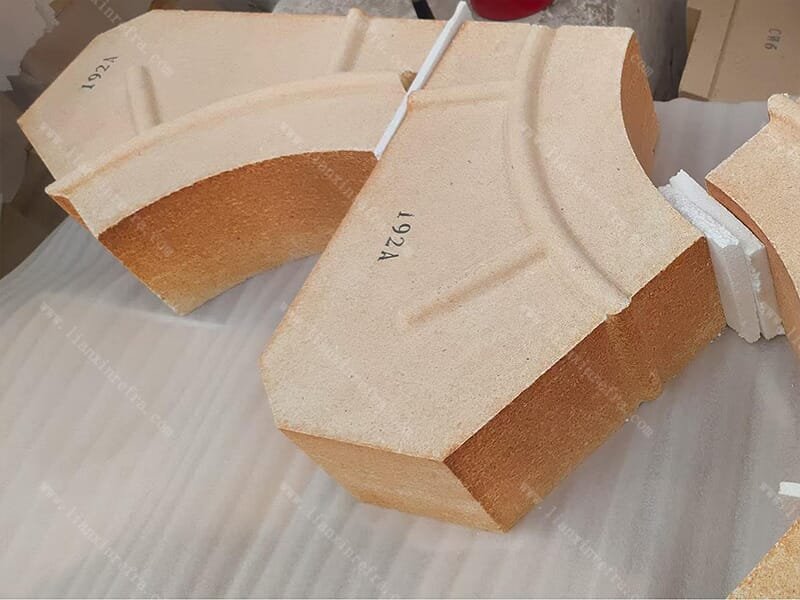
For low-temperature conditions (≤1400℃), such as ordinary heating furnaces, cost-effective clay refractory bricks can be selected due to their excellent thermal shock stability and ease of installation. For medium-high temperature conditions (1400~1700℃). Such as petrochemical reactors, high-alumina refractory bricks (Al₂O₃ content 50%~80%) are preferred, offering superior high-temperature resistance and corrosion resistance. For extreme high temperatures (>1700℃), such as special chemical kilns, corundum bricks or zirconium corundum bricks are required to ensure structural stability. In scenarios with frequent temperature increases and decreases, low-porosity high-alumina bricks or phosphate-bonded refractory bricks with a thermal shock cycle life of ≥25 cycles should be selected.
In acidic environments (such as sulfur-containing flue gas), silica bricks (SiO₂ content > 70%) are selected due to their superior resistance to acid slag and flue gas erosion. In alkaline environments (such as equipment containing alkali slag), magnesia-alumina spinel bricks or magnesia-chrome refractory bricks are preferred, effectively resisting alkaline corrosion. In reducing atmospheres (such as coal chemical kilns), composite materials such as silicon carbide bricks are selected to avoid material failure. High-purity alumina bricks are suitable for oxidizing atmospheres.
In high-wear, high-load areas (such as the kiln bottom and discharge port), silicon carbide refractory bricks with a compressive strength ≥ 50 MPa or steel fiber reinforced high-alumina bricks are selected. Porous bricks are strictly prohibited in parts that directly contact the molten medium. Simultaneously, compliance with industry standards such as HG/T 20683-2005 is required, material certification must be verified, and life-cycle costs must be considered to avoid frequent maintenance due to solely pursuing low prices.
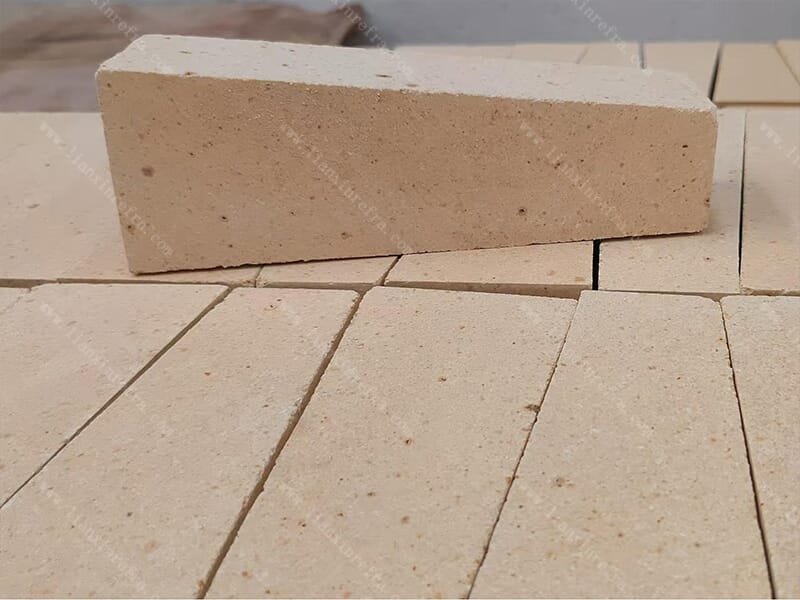
Henan Ruitai Lianxin Refractory Materials Co., Ltd is a modern R&D-centered refractory manufacturer manufacturing enterprise integrated with refractories sales and marketing, furnace engineering construction, recycling and sales of waste refractories as well as refractory raw material, technology and goods import and export, and technical services. If you have any needs for refractory materials, please contact us and we will provide you with the best service.