Address
Building 1, Zone 1, Greenland Binhu International City, Zhengzhou, Henan, China
Work Hours
Monday to Friday: 9AM - 7PM
Weekend: 10AM - 6PM
Address
Building 1, Zone 1, Greenland Binhu International City, Zhengzhou, Henan, China
Work Hours
Monday to Friday: 9AM - 7PM
Weekend: 10AM - 6PM

Reverberatory furnaces are core high-temperature equipment in industries such as metallurgy, chemicals, and glass. They rely on the reflection of high-temperature gases for heat transfer to melt or heat materials, with operating temperatures generally exceeding 1000℃. The furnaces also face harsh conditions such as high-temperature erosion, slag corrosion, and sudden temperature changes. As the core of the furnace lining, the kiln bricks directly determine the equipment’s service life, production efficiency, and operational safety. Therefore, scientific selection must be based on actual operating conditions, considering performance matching, cost control, and construction adaptability, following the principle of “operating conditions first, performance adaptability, and overall optimization.” The following details the core dimensions to assist in accurate selection.
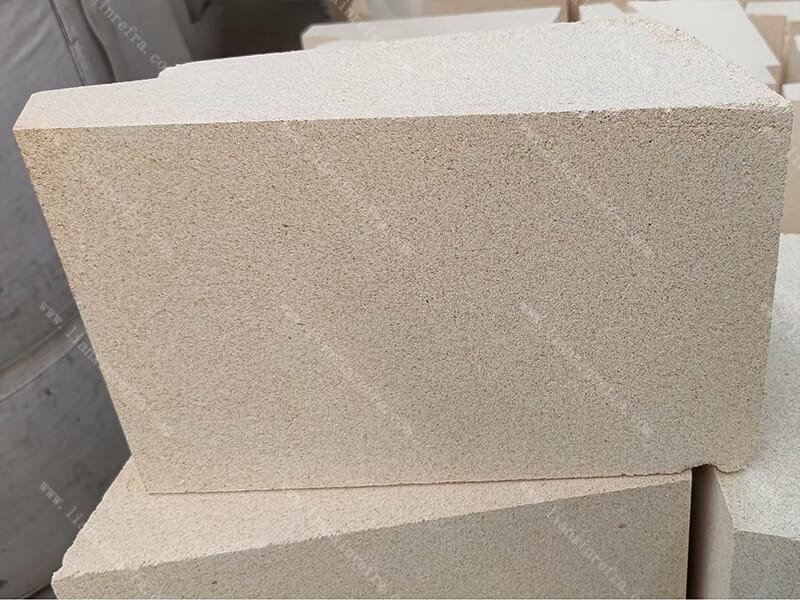
The prerequisite for selection is to clarify the core operating parameters of the reverberatory furnace, which is the foundation for avoiding selection errors. First, the operating temperature must be determined, clarifying the long-term operating temperature and short-term extreme temperature. The refractoriness of the kiln bricks must be 100-200℃ higher than the long-term operating temperature, and the load softening temperature must be suitable for high-temperature load-bearing requirements to prevent high-temperature softening and deformation. Secondly, it’s crucial to differentiate the furnace atmosphere and corrosive medium, identifying whether the operating conditions are acidic, alkaline, or neutral. Metallurgical reverberatory furnaces typically operate in alkaline slag environments, while glass production reverberatory furnaces often operate in acidic atmospheres. The type of medium directly determines the material selection. Furthermore, it’s necessary to specify the equipment type (smelting, heating, or annealing), the stress on various parts, and the frequency of start-up and shutdown: intermittent furnaces require a focus on thermal shock resistance, while continuous furnaces prioritize corrosion resistance and high-temperature stability.
The first core dimension is matching the furnace brick material to the operating conditions; this is key to selection. Reverberatory furnaces commonly use a variety of kiln brick materials with significant performance differences, requiring appropriate selection based on specific needs. High-alumina bricks, primarily made from bauxite, have a refractoriness of 1700-1800℃, excellent overall performance, and good thermal shock resistance and high-temperature strength. They are suitable for high-temperature core areas such as the furnace roof and walls, and are the most widely used neutral kiln bricks, especially suitable for conditions with large temperature fluctuations. Silica bricks, primarily composed of silicon dioxide, have a refractoriness of 1700-1730℃, excellent resistance to acidic slag erosion, and high-temperature structural stability, making them suitable for furnace roofs in acidic atmospheres such as glass melting and ceramic production. However, their poor thermal shock resistance makes them unsuitable for frequent temperature fluctuations. Magnesia bricks, mainly composed of magnesium oxide, have a refractoriness exceeding 2000℃ and extremely strong resistance to alkaline slag erosion, making them suitable for metallurgical smelting furnaces, such as the molten pool and furnace bottom, where they directly contact molten metal and alkaline slag. However, their poor thermal shock resistance necessitates the use of thermally shock resistant materials. Magnesia-chrome kiln bricks combine the advantages of magnesia bricks and chromite to form a magnesia-chrome spinel protective layer, exhibiting excellent resistance to alkaline slag penetration, high-temperature strength, and thermal stability. They are suitable for furnace walls and roofs in high-alkali and high-sulfur raw material environments, with a service life far exceeding that of ordinary magnesia bricks. Clay bricks are inexpensive, with a refractoriness of 1400-1600℃, good wear resistance, and good thermal shock resistance, making them suitable for medium- and low-temperature regions or as backing insulation materials, reducing overall costs. Corundum bricks have an alumina content of ≥90%, a refractoriness exceeding 1800℃, and extremely strong resistance to erosion and wear, making them suitable for core components subject to severe high-temperature corrosion. However, they are relatively expensive and should be selected rationally based on cost considerations.
The second core dimension is controlling key performance indicators and avoiding potential problems during use. The performance of kiln bricks directly determines their performance, requiring close attention to five key indicators: First, refractoriness, as a fundamental indicator, must be higher than the actual operating temperature to prevent high-temperature melting. Second, load softening temperature, which is more practically valuable than refractoriness, directly determining the upper limit of use in high-temperature load-bearing components. For example, the furnace roof and load-bearing furnace walls require materials with a load softening temperature close to the refractoriness. Third, thermal shock stability, measured by the number of water-cooling cycles at 1100℃. Intermittent furnaces require materials with ≥20 cycles to prevent cracking and spalling caused by sudden temperature changes. Fourthly, slag erosion resistance should follow the “acid-base matching” principle: silica bricks are selected for acidic slag, magnesia and magnesia-chrome bricks for alkaline slag, and high-alumina and corundum bricks for neutral slag. Fifthly, bulk density and apparent porosity are crucial; higher bulk density results in stronger erosion and penetration resistance. Apparent porosity should ideally be controlled between 10% and 25%, balancing density and thermal shock resistance.
The third core dimension involves tailored selection based on furnace body location for precise matching. Different parts of the reverberatory furnace operate under significantly different conditions, requiring zoned selection and appropriate combinations. The furnace roof, subjected to the highest temperatures from long-term high-temperature flame impact, prioritizes high-alumina, silica, or corundum bricks to ensure high-temperature resistance and erosion resistance. The furnace walls are divided into high-temperature and medium-temperature zones; high-alumina and magnesia-chrome bricks are used in the high-temperature zone, while clay bricks are used in the medium-temperature zone, balancing performance and cost. The furnace bottom bears the weight of molten material and slag erosion, requiring the selection of magnesia, magnesia-chrome, or premium high-alumina bricks to ensure high strength and erosion resistance. For complex and irregularly shaped parts such as furnace doors and furnace arches, refractory castables are used for on-site casting to adapt to complex shapes and improve sealing. Lightweight insulating bricks are used for the furnace body insulation layer to reduce heat loss and save energy, and must be compatible with the working layer material to prevent high-temperature collapse.
Two major misconceptions must be avoided in practice: First, “price-only” approach. While low-priced clay bricks are inexpensive, their short lifespan and frequent replacements increase downtime losses. High-performance materials should be used for critical parts, taking into account overall cost. Second, “material-only” approach. High-performance materials must be matched to the operating conditions; for example, using corundum bricks in low-temperature conditions is a waste of resources. At the same time, strict quality control is required, requiring suppliers to provide test reports to verify whether material composition and performance indicators meet standards, avoiding false labeling and material mismatch. Furthermore, construction and after-sales service must be considered. Prioritize products with standard specifications and easy construction, and choose suppliers with comprehensive after-sales service to ensure timely resolution of any problems encountered during use.
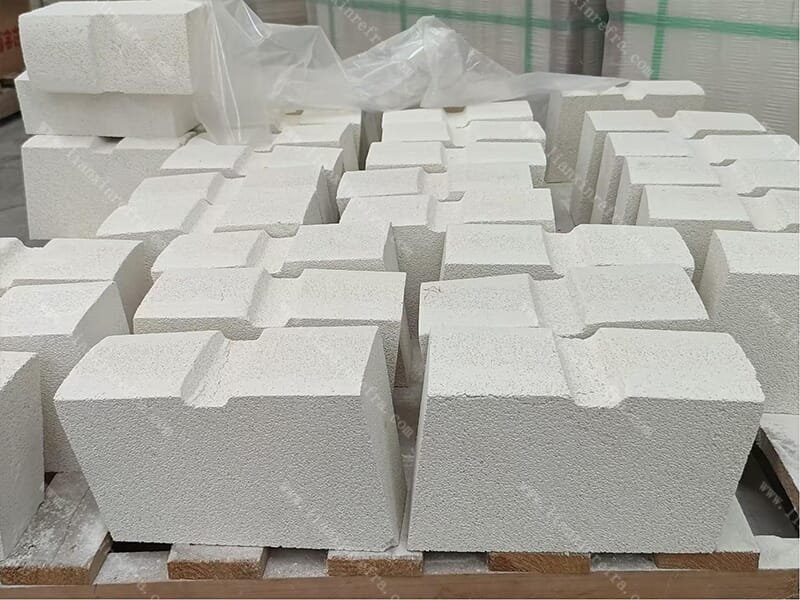
In summary, the selection of kiln bricks for reverberatory furnaces should be based on operating parameters, with material matching as the core and location suitability as the key, taking into account performance, cost, and construction factors, and following the principles of “zonal selection, acid-base matching, performance compliance, and overall optimization.” Reasonable selection can extend equipment lifespan, reduce maintenance costs, and ensure continuous and stable production, providing reliable support for high-temperature production in enterprises.