Address
Building 1, Zone 1, Greenland Binhu International City, Zhengzhou, Henan, China
Work Hours
Monday to Friday: 9AM - 7PM
Weekend: 10AM - 6PM
Address
Building 1, Zone 1, Greenland Binhu International City, Zhengzhou, Henan, China
Work Hours
Monday to Friday: 9AM - 7PM
Weekend: 10AM - 6PM

The operating conditions vary greatly across different stages of steel production. Therefore, the selection of fire bricks must closely consider core factors such as temperature, erosion by the medium. And mechanical scouring of the operating environment to ensure stable furnace operation and control costs.
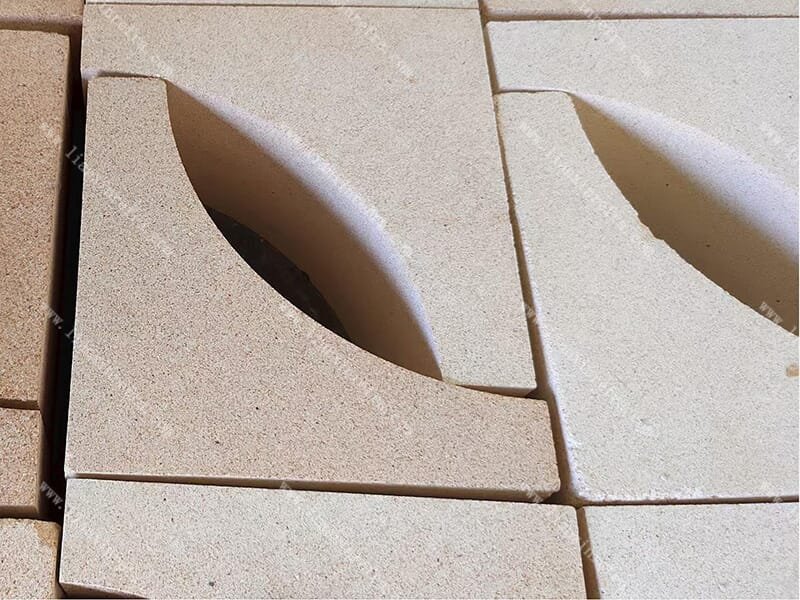
First, select bricks specifically for each production stage. Blast furnaces are core equipment; the hearth and bottom are subjected to high-temperature molten iron and slag erosion, requiring high-alumina or carbon composite fire bricks, such as graphite silicon carbide bricks, which offer excellent thermal conductivity and slag resistance. The lower and middle parts of the furnace body are subjected to impact from the furnace charge and gas scouring, allowing for the use of clay bricks or semi-silica bricks to balance cost and wear resistance. Converters require magnesia-carbon fire bricks resistant to high-temperature oxidation and molten steel scouring. Especially in the slag line area, where high-magnesium, low-carbon magnesia-carbon bricks are needed to extend service life. Heating furnaces, due to large temperature fluctuations, are best suited for high-alumina fire bricks or mullite bricks, balancing high-temperature resistance and thermal shock resistance.
Second, focus on key performance indicators. Refractoriness, load softening temperature, slag resistance, and thermal shock resistance are the four core indicators. For example, fire bricks for blast furnace hearths need a refractoriness of ≥1750℃ and a softening temperature under load of not less than 1450℃; converter bricks need to withstand thermal shock for ≥50 cycles of water cooling at 1100℃ without cracking. Simultaneously, selection should be based on the composition of the medium. For example, in conditions with high alkali metal content, low-silica, high-alumina bricks should be selected to reduce alkali corrosion.
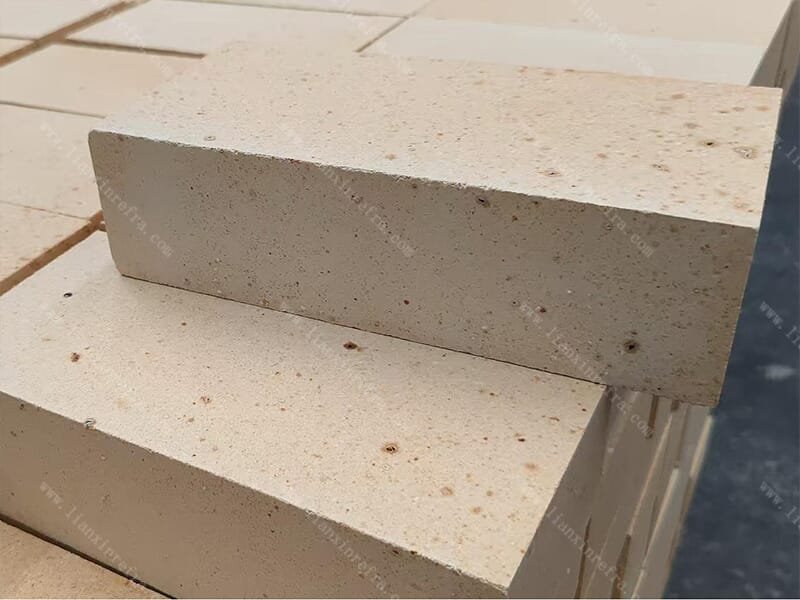
Finally, economic efficiency and operational requirements should be considered. Avoid blindly pursuing high specifications; cost-effective clay bricks can be used in non-critical areas. Construction convenience should also be considered; modular fire bricks can shorten the construction period. Furthermore, quality standards should be clearly defined with suppliers, and customized products should be provided based on operating parameters to ensure that the fire bricks are compatible with equipment operation.