Address
Building 1, Zone 1, Greenland Binhu International City, Zhengzhou, Henan, China
Work Hours
Monday to Friday: 9AM - 7PM
Weekend: 10AM - 6PM
Address
Building 1, Zone 1, Greenland Binhu International City, Zhengzhou, Henan, China
Work Hours
Monday to Friday: 9AM - 7PM
Weekend: 10AM - 6PM

An electric arc furnace (EAF) is an industrial furnace that uses an electric arc generated by electrodes to melt ores and metals at high temperatures. It is one of the core pieces of equipment in the modern metallurgical industry and is widely used in the smelting of steel and non-ferrous metals. Its core principle is to form an electric arc through gas discharge between the electrodes and the furnace charge, efficiently converting electrical energy into heat energy. The arc temperature can reach over 3000℃, sufficient to melt various metal raw materials.
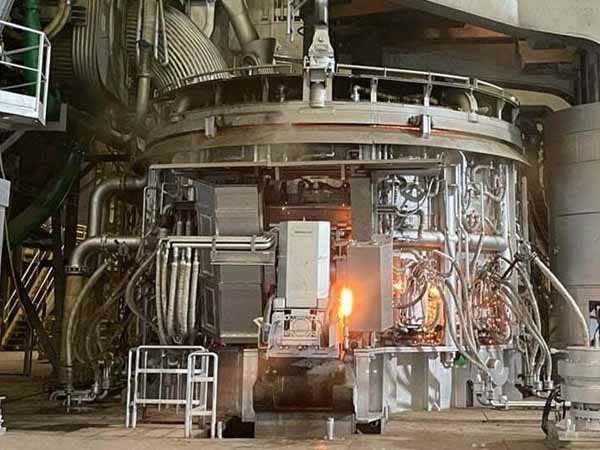
An electric arc furnace mainly consists of a furnace body, an electrode system, a power supply system, and a control system. The furnace body is constructed of refractory materials to resist high temperatures and chemical corrosion. The electrodes are mostly made of graphite and can adjust the arc length and power through raising and lowering. The power supply system provides high current, low voltage power, while the control system enables precise control of the smelting process.
Based on the arc type and power supply method, electric arc furnaces can be divided into several types, the most common being three-phase electric arc furnaces, DC electric arc furnaces, and consumable arc furnaces. Three-phase electric arc furnaces are widely used in steelmaking. DC electric arc furnaces offer advantages such as energy saving and stable arc operation. The smelting process typically includes three stages: preheating, melting, and refining. The furnace atmosphere can be flexibly adjusted to effectively remove impurities such as sulfur and phosphorus from the metal.
A key advantage of electric arc furnaces is their strong adaptability to raw materials. They can use scrap steel as the main raw material, achieving resource recycling. Furthermore, furnace temperature is easily controlled, and they require a small footprint. They can produce both high-quality alloy steel and ordinary carbon steel. With technological advancements, new equipment such as ultra-high-power electric arc furnaces are constantly emerging, further improving production efficiency and reducing energy consumption, becoming important equipment for promoting the green and low-carbon development of the metallurgical industry.