Address
Building 1, Zone 1, Greenland Binhu International City, Zhengzhou, Henan, China
Work Hours
Monday to Friday: 9AM - 7PM
Weekend: 10AM - 6PM
Address
Building 1, Zone 1, Greenland Binhu International City, Zhengzhou, Henan, China
Work Hours
Monday to Friday: 9AM - 7PM
Weekend: 10AM - 6PM

Unshaped refractories, due to their ease of construction, good integrity, and strong adaptability, have become indispensable lining and repair materials for modern industrial kilns. They require no complex molding and firing processes and can be applied through casting, spraying, ramming, etc., according to the complex shape and operating conditions of different kilns.
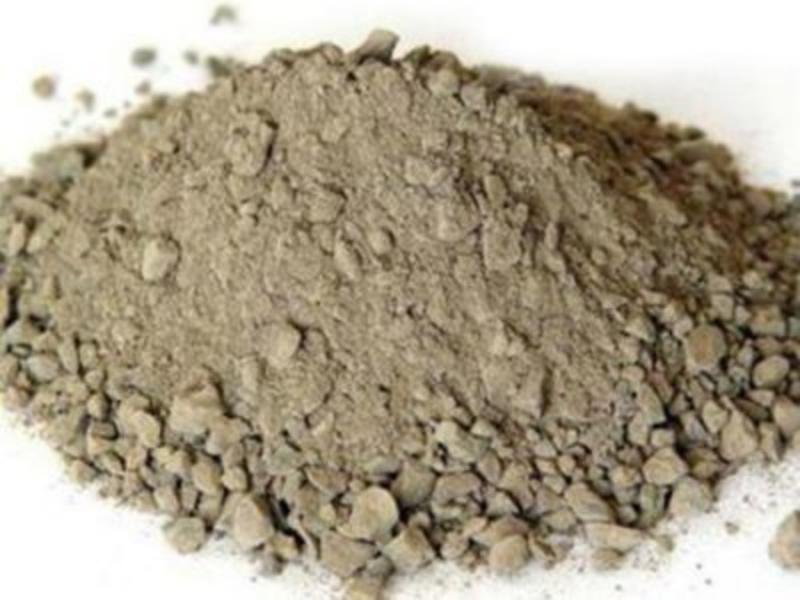
The application range of unshaped refractories is extremely wide, covering almost all high-temperature industrial fields, mainly including the following categories:
This is the field with the largest consumption and most mature application of unshaped refractories.
Ironmaking systems: Castable and rammed refractories are commonly used in parts subjected to long-term erosion and corrosion by molten iron, such as blast furnace tapping troughs, ladles, and torpedo cars.
Steelmaking systems: In equipment such as ladles and tundishes, magnesia and spinel unshaped materials are widely used as working linings due to their excellent resistance to slag erosion and thermal shock, effectively ensuring the quality of molten steel and extending its service life. In addition, rammed refractories are commonly used in the linings of induction furnaces and electric arc furnaces.
In downstream steel processing, monolithic refractories also play a crucial role.
Heating furnaces and soaking furnaces: Extensive use of plastics and castables in the construction of integral linings for furnace roofs and walls, their excellent thermal shock resistance allowing them to withstand frequent temperature changes.
Heat treatment furnaces: Castables are also widely used in the linings of various types of annealing furnaces and quenching furnaces.
Non-ferrous and chemical industries: Used in the linings and runners of equipment such as lithium salt rotary kilns and lead-zinc melting furnaces, meeting their specific process requirements.
Glass and ceramic kilns: Not only used for sealing and insulation of kilns, significantly reducing energy consumption, but also for lining critical components such as tin baths and salt bath furnaces.
Power and environmental protection equipment: Monolithic refractories are also commonly used in the linings of various boilers, roasting furnaces, and catalytic cracking furnaces to withstand the scouring of high-temperature airflow and materials.
In general, unshaped refractory materials can be applied to almost all thermal equipment that needs to resist high temperatures, erosion, and thermal shock, and are an important guarantee for efficient and safe production in modern high-temperature industries.