Address
Building 1, Zone 1, Greenland Binhu International City, Zhengzhou, Henan, China
Work Hours
Monday to Friday: 9AM - 7PM
Weekend: 10AM - 6PM
Address
Building 1, Zone 1, Greenland Binhu International City, Zhengzhou, Henan, China
Work Hours
Monday to Friday: 9AM - 7PM
Weekend: 10AM - 6PM

Refractory cement is a key material for constructing the linings of various industrial kilns. Its main function is as a binder, firmly bonding various refractory aggregates together to form a monolithic structure capable of withstanding high temperatures, chemical erosion, and mechanical impact.
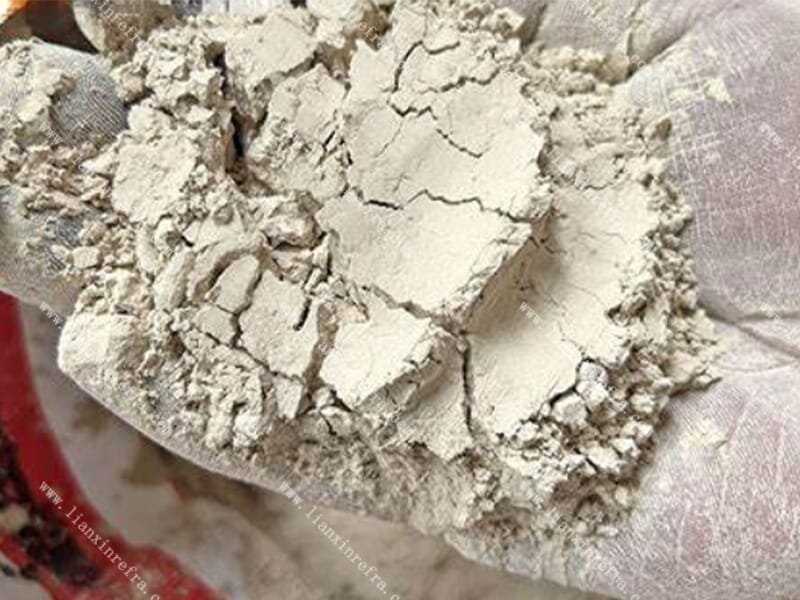
Its core uses are reflected in the following aspects:
The primary use of refractory cement is to mix it with refractory aggregates such as corundum, high-alumina bauxite, and clay clinker to produce refractory castables or refractory mortars. This material can be directly poured on-site to form a seamless monolithic lining, offering advantages such as simpler construction and better overall sealing compared to traditional refractory brick masonry. Depending on the formulation, these castables can be used at temperatures ranging from 1300℃ to over 1550℃.
As a binder, refractory cement bonds high-temperature resistant aggregates into a robust whole, ensuring the kiln lining maintains structural integrity at high temperatures, preventing deformation or collapse. Meanwhile, certain types of refractory cement (such as calcium magnesium aluminate cement), containing spinel minerals, provide excellent resistance to chemical erosion by molten slag and metallic melts, which is crucial for resisting corrosion from high-temperature materials within the kiln. Furthermore, refractory cement helps the lining resist rapid temperature changes (thermal shock stability), allowing it to withstand rapid heating and cooling without cracking.
Refractory cement castables are widely used in the linings of various high-temperature equipment such as cement rotary kilns, metallurgical heating furnaces, petrochemical reactors, glass furnaces, and boilers. It can be used to construct new furnace linings and is also commonly used for rapid kiln inspection and maintenance.
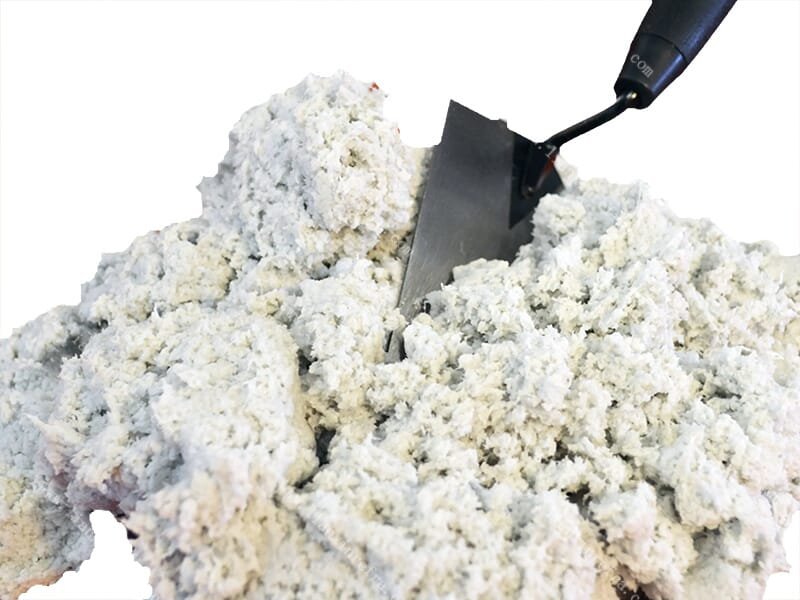
In addition, it can be combined with lightweight aggregates to produce lightweight insulating refractory castables, or mixed with asbestos to create products with insulating and heat-resistant properties.
Overall, refractory cement acts as the “binder” that connects and strengthens the kiln’s “armor” (refractory aggregates), and its performance directly determines the durability of the kiln lining and the safe and efficient operation of the entire thermal equipment.