Address
Building 1, Zone 1, Greenland Binhu International City, Zhengzhou, Henan, China
Work Hours
Monday to Friday: 9AM - 7PM
Weekend: 10AM - 6PM
Address
Building 1, Zone 1, Greenland Binhu International City, Zhengzhou, Henan, China
Work Hours
Monday to Friday: 9AM - 7PM
Weekend: 10AM - 6PM

Refractory ductile plastics are a type of monolithic refractory material in the form of a hardened paste, playing a crucial role in industrial kilns in industries such as metallurgy, power generation, and petrochemicals. It is made by mixing refractory aggregates, powders, plastic clay binders, and additives. Due to its unique construction methods and performance advantages, it is widely used in the construction and repair of kiln linings.
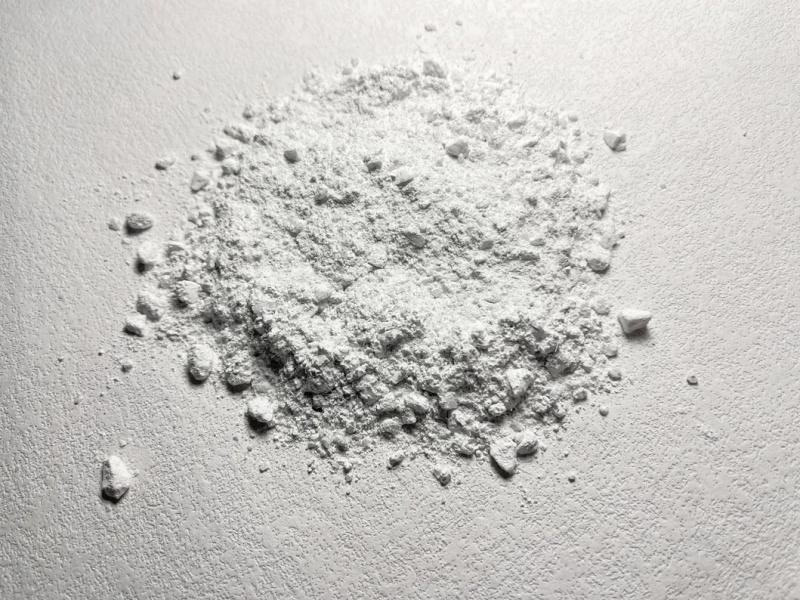
Its main uses are as follows:
Because of its excellent plasticity and adhesion, refractory ductile plastics are particularly suitable for irregularly shaped kiln sections, as well as critical areas such as the furnace roof, burner bricks, and furnace doors, which are difficult to construct with standard bricks or are easily damaged. It can be applied through tamping and vibration, perfectly conforming to complex shapes to form a seamless, integral lining.
During frequent start-ups and shutdowns and temperature fluctuations, the lining of a kiln is highly susceptible to spalling and damage due to thermal shock. Refractory plastics possess a porous structure, and their aluminosilicate raw material does not undergo drastic crystal changes at high temperatures, thus exhibiting excellent thermal shock resistance. It effectively resists rapid temperature changes, significantly extending the service life of furnace linings in heating furnaces, soaking furnaces, and other thermal equipment.
Micro-expansion refractory plastics undergo slight volume expansion at high temperatures. This characteristic effectively compensates for material shrinkage at high temperatures, thereby enhancing the overall sealing of the furnace roof and walls. Good sealing prevents leakage of flue gas, ash, or hot gas, improving the working environment and resulting in significant energy savings.
Besides being used for new furnace linings, refractory plastics are also ideal materials for kiln hot repairs and emergency repairs. For locally damaged furnace walls or burners, the plastic can be directly filled and compacted. After construction, it can be put into use without complex furnace drying procedures, significantly shortening repair time and reducing the impact on production.