Address
Building 1, Zone 1, Greenland Binhu International City, Zhengzhou, Henan, China
Work Hours
Monday to Friday: 9AM - 7PM
Weekend: 10AM - 6PM
Address
Building 1, Zone 1, Greenland Binhu International City, Zhengzhou, Henan, China
Work Hours
Monday to Friday: 9AM - 7PM
Weekend: 10AM - 6PM

Refractory rammer is an amorphous refractory lining material. With its high strength, high density, erosion resistance, and resistance to high-temperature deformation, it is widely used in the construction and maintenance of linings for various industrial kilns. It is a core refractory material for ensuring stable kiln operation and extending equipment life. Refractory rammer has strong plasticity and high construction adaptability. It can be rammed manually or mechanically to fit irregular and irregular structural parts of kilns, overcoming the limitations of shaped refractory brick construction.
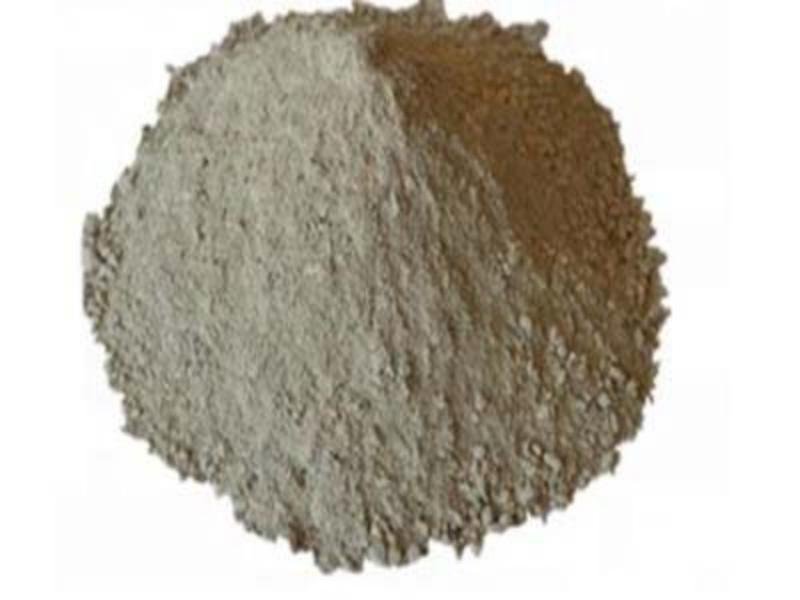
In kiln operation, the primary application of refractory rammer is in constructing integral refractory linings. This is particularly important for core components such as the furnace bottom, furnace walls, and furnace roof of high-temperature kilns such as cement kilns, metallurgical kilns, and heating furnaces. After compaction and solidification, the rammer forms a seamless integral lining, effectively isolating the high-temperature flame from the furnace steel structure, reducing heat loss, improving kiln thermal efficiency, and preventing high-temperature erosion damage to the equipment substrate.
Secondly, refractory ramming mixes can be used for the reinforcement and repair of easily damaged parts of kilns. Areas such as the kiln feed inlet, discharge outlet, flue corners, and material scouring zones are subject to long-term material impact, airflow scouring, and sudden temperature changes, making them highly susceptible to damage and detachment. Refractory ramming mixes possess strong adhesion and excellent thermal shock resistance; after repair, they adhere to the original lining, filling gaps and damaged areas, preventing high-temperature airflow penetration and heat leakage from the furnace body, and preventing the lining from cracking and expanding, thus ensuring stable kiln operation.
Furthermore, this material is also suitable for irregularly shaped kiln structures, adapting to the refractory sealing of complex parts such as kiln arches, irregular grooves, and equipment connection gaps. This prevents fire spread and air leakage, reduces equipment failure frequency, lowers maintenance costs, and is widely applicable to the routine protection and retrofitting of high-temperature industrial kilns.