Address
Building 1, Zone 1, Greenland Binhu International City, Zhengzhou, Henan, China
Work Hours
Monday to Friday: 9AM - 7PM
Weekend: 10AM - 6PM
Address
Building 1, Zone 1, Greenland Binhu International City, Zhengzhou, Henan, China
Work Hours
Monday to Friday: 9AM - 7PM
Weekend: 10AM - 6PM

Refractory castables are the most widely used monolithic refractory materials in kiln construction. Like concrete, they can be cast on-site to form a seamless, monolithic lining, providing crucial protection for kilns in extreme environments such as high temperatures, erosion, and corrosion.
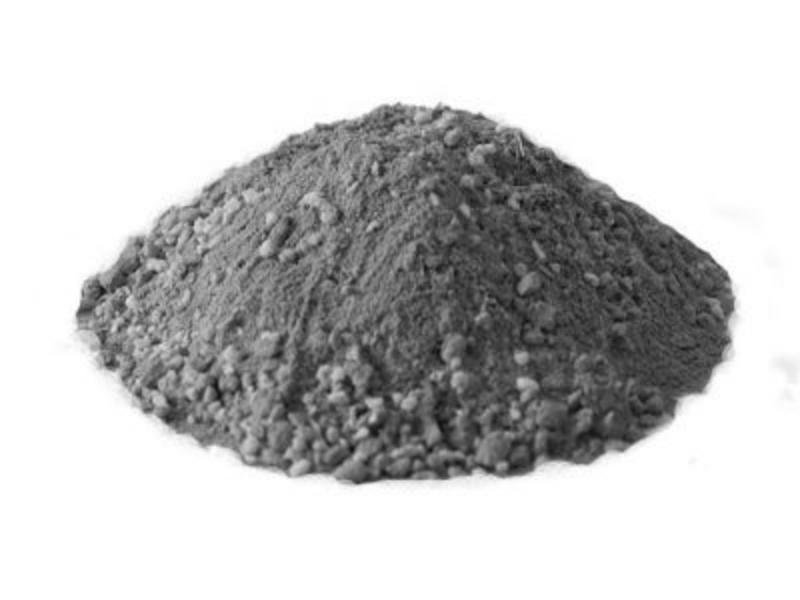
Their core uses are mainly reflected in the following three aspects:
Through integral casting, refractory castables can form a seamless lining structure. Compared with traditional refractory brick masonry, this integrity significantly reduces heat loss through gaps, improving the kiln’s thermal efficiency and avoiding structural safety hazards caused by brick spalling. Because it can be flowably molded, it is also very suitable for creating complex irregular shapes, such as burners, pipes, and flow channels, offering high construction efficiency and strong adaptability.
Kiln operating conditions vary greatly, and refractory castables can be “tailor-made” by adjusting the formula. For example, high-strength wear-resistant castables are used in severely worn areas such as cement rotary kilns and blast furnace tapping troughs. In high-temperature smelting furnaces or chemical kilns, corrosion-resistant castables with strong chemical erosion resistance are needed to resist corrosion from slag and gases. In equipment such as heating furnaces with drastic temperature fluctuations, thermal shock resistant castables are used to withstand frequent heating and cooling cycles without cracking.
Based on density and application, castables are also divided into working layers and insulating layers. Heavy castables are in direct contact with the flame and materials, undertaking the primary task of resisting high temperatures, erosion, and corrosion. Lightweight castables, on the other hand, serve as an insulating backing, effectively preventing heat loss, reducing furnace shell temperature, and playing a role in energy saving and heat preservation. Furthermore, they can be used in precast blocks, allowing for rapid furnace construction via hoisting, significantly shortening maintenance cycles.
In summary, refractory castables, with their excellent workability and wide applicability, have become the core material for modern industrial furnaces and kilns, from the main structure to the protection of key parts, and from the working layer to the insulation layer. They are a key link in ensuring the long-term safe operation and energy conservation of the furnaces.