Address
Building 1, Zone 1, Greenland Binhu International City, Zhengzhou, Henan, China
Work Hours
Monday to Friday: 9AM - 7PM
Weekend: 10AM - 6PM
Address
Building 1, Zone 1, Greenland Binhu International City, Zhengzhou, Henan, China
Work Hours
Monday to Friday: 9AM - 7PM
Weekend: 10AM - 6PM

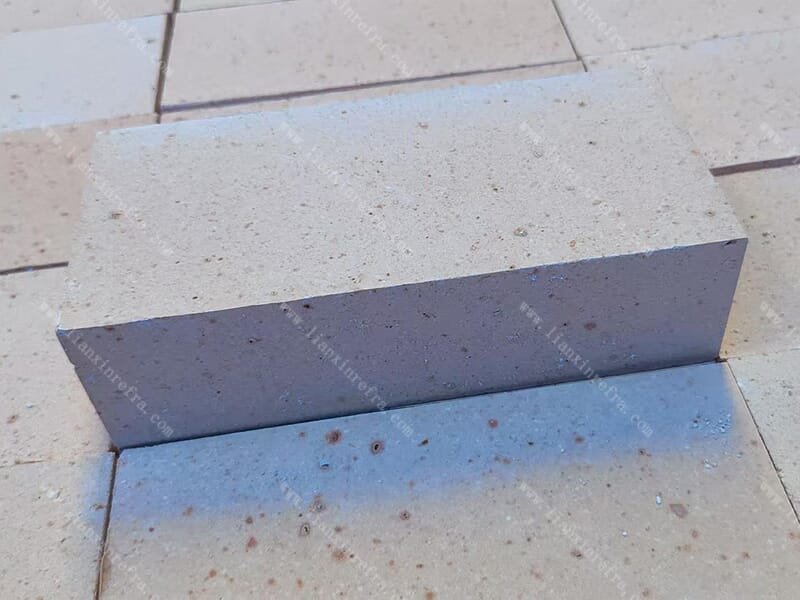
Aluminum bricks are refractory materials made primarily from bauxite. Due to their excellent refractoriness, erosion resistance, and high-temperature stability, they have become the core lining material for high-temperature industrial kilns. They are widely used in metallurgy, building materials, chemicals, and many other industries, and are suitable for kilns with varying operating conditions.
In blast furnaces, the temperature in the furnace body and throat ranges from 800-1200℃, primarily bearing the impact of the furnace charge and gas erosion. High-aluminum bricks are chosen to balance cost-effectiveness with the requirements for temperature resistance and wear resistance. The temperature in the furnace belly and waist reaches 1200-1500℃, requiring low-creep high-alumina bricks to resist high-temperature stress and molten slag erosion, extending the furnace life.
Electric furnaces have high roof temperatures, and high-aluminum bricks or corundum bricks (high-end types of high-alumina bricks) are used to resist high-temperature radiation.
Aluminum bricks are suitable for induction furnace linings to prevent reaction with molten metal.
Aluminum bricks are commonly used as linings in medium- and low-temperature zones such as coke oven regenerators and flues, suitable for operating conditions of 800-1000℃.
In the transition zone of cement rotary kilns, the temperature is 1200-1500℃, with moderate erosion and corrosion. Aluminum bricks, due to their excellent high-temperature resistance and wear resistance, are the preferred material in this area. In some conditions, phosphate high-alumina bricks can be used to resist alkali metal corrosion.
In glass kiln regenerators and grid structures, the temperature is 1200-1400℃, requiring resistance to alkaline flue gas corrosion. Aluminum bricks effectively prevent brick pulverization, and in some high-end applications, micro-expansion high-alumina bricks are used to reduce melt penetration.
Ordinary high alumina bricks are also commonly used in the linings and medium- and low-temperature zones of ceramic kilns, suitable for environments with non-drastic temperature fluctuations below 1200℃.
In equipment such as the transition zone of chemical cracking furnaces, high-temperature reactors, and calcining kilns, the working environment involves certain chemical corrosion and temperature fluctuations. Aluminum bricks, with their excellent chemical stability and thermal shock resistance, are well-suited for these operating conditions.
In waste incinerators, the secondary combustion chamber frequently starts and stops.The thermal shock resistance of high-alumina phosphate bricks effectively copes with sudden temperature changes, extending equipment lifespan.
Cuppeteer feed inlets need to withstand both mechanical impact and thermal cycling; the impact resistance and thermal shock resistance of aluminum bricks meet these requirements.
Aluminum bricks are used for linings in non-ferrous metallurgical furnaces, allowing for neutral atmospheres and preventing contamination of the molten metal.
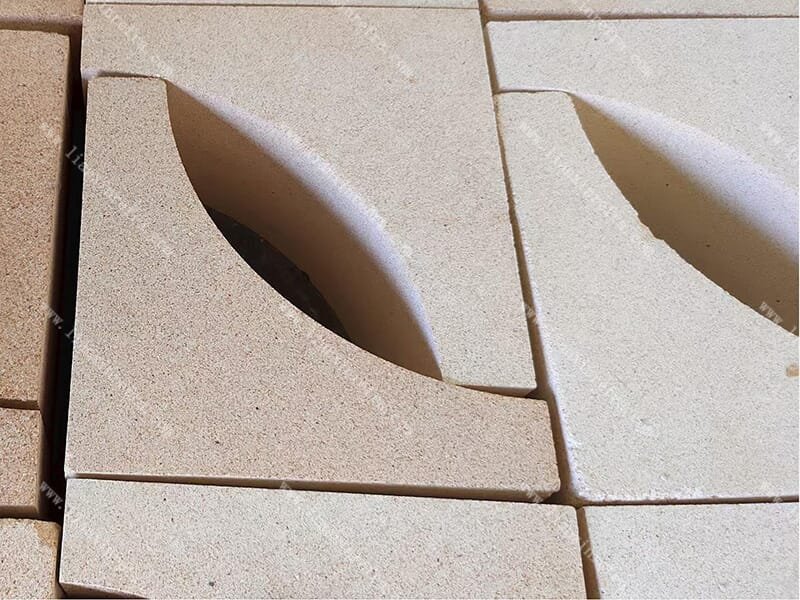
Different grades of high alumina bricks are suitable for different furnace operating conditions; higher Al₂O₃ content results in stronger high-temperature resistance and corrosion resistance. Flexible selection based on furnace operating temperature and corrosion levels ensures stable furnace operation.
If you need Ruitai Lianxin aluminua bricks, please contact us.