Address
Building 1, Zone 1, Greenland Binhu International City, Zhengzhou, Henan, China
Work Hours
Monday to Friday: 9AM - 7PM
Weekend: 10AM - 6PM
Address
Building 1, Zone 1, Greenland Binhu International City, Zhengzhou, Henan, China
Work Hours
Monday to Friday: 9AM - 7PM
Weekend: 10AM - 6PM

Aluminum bricks (usually referring to high-alumina bricks) are high-quality refractory materials with alumina as the main component and an Al₂O₃ content of not less than 48%. Due to their high refractoriness, good erosion resistance, thermal shock stability, and structural strength, they are widely used in various high-temperature industrial applications. Their application industries are mainly concentrated in core areas such as metallurgy, building materials, and chemicals, while also covering several sub-sectors such as power and environmental protection.
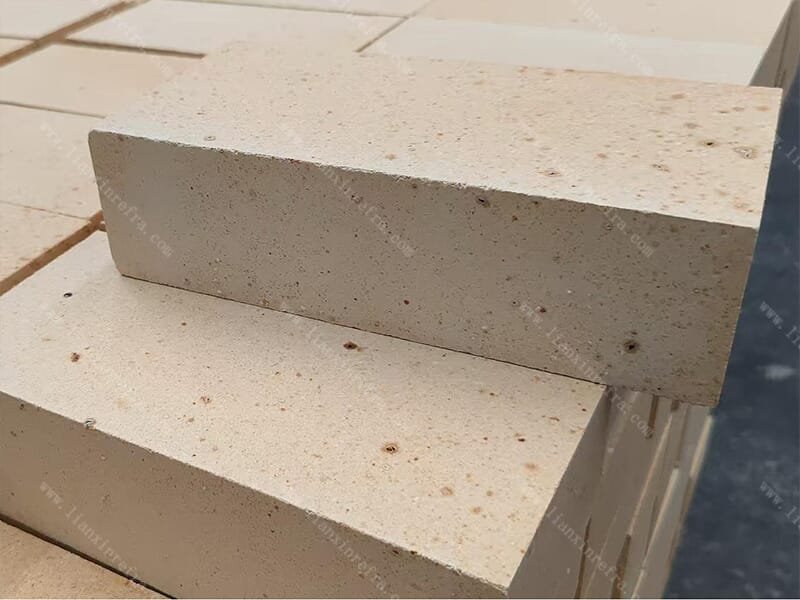
The metallurgical industry is the most important application area for aluminum bricks. Demand accounts for over 55%, making them a key material for ensuring the smooth operation of steel and non-ferrous metal smelting.
In steel smelting, aluminum bricks are widely used in the linings of core equipment such as blast furnaces, hot blast stoves, ladles, and electric furnaces.
Blast furnace linings need to withstand temperatures of around 2000℃ and the erosion of molten iron and slag. Aluminum bricks, with their excellent high-temperature resistance and slag resistance, effectively protect the furnace body from damage and extend the service life of the equipment.
Aluminum bricks are also widely used in hot blast stove checker brick, ladles, and tundish linings. They withstand thermal shock from sudden temperature changes, preventing damage from direct contact between molten steel and the equipment casing.
In non-ferrous metal smelting, aluminum bricks are used in equipment such as aluminum electrolytic cells and copper smelting furnaces. They can withstand the erosion of molten non-ferrous metals, ensuring the stability of the smelting process.
The building materials industry is the second largest application area for aluminum bricks, primarily in the cement, ceramics, and glass sub-sectors.
In cement production, the rotary kiln, as a core piece of equipment, needs its inner wall to withstand high temperatures of 1400-1500℃ and abrasion from raw materials and clinker. Aluminum bricks are the preferred material for rotary kiln linings and are also used in supporting equipment such as preheaters and coolers, improving the equipment’s heat resistance and wear resistance, and reducing maintenance frequency.
In the ceramics industry, alumina bricks are used in the high-temperature section lining of ceramic tunnel kilns to resist the high temperatures inside the kiln and the erosion of ceramic raw materials, ensuring the quality of ceramic firing.
In the glass industry, aluminum bricks are used in the walls of glass melting furnaces and regenerators. They resist the corrosion of molten glass and withstand high-temperature environments, extending the furnace’s service life.
In the chemical industry, aluminum bricks are mainly used in various high-temperature reaction equipment and calcining equipment.
Chemical calcining furnaces, pyrolysis furnaces, and other equipment require chemical reactions at high temperatures. Aluminum brick linings resist the corrosion of acids, alkalis, and other chemical media, while also withstanding high temperatures, preventing equipment leaks and ensuring production safety.
In high-temperature distillation equipment in petrochemicals, the low creep characteristics of aluminum bricks prevent brick deformation, ensuring long-term stable operation of the equipment.
Furthermore, aluminum bricks are also used as linings in reactors used for hazardous waste treatment to resist the corrosion of harmful gases and corrosive media.
In the power industry, aluminum bricks are mainly used in high-temperature equipment such as boilers, chimneys, and combustion chambers in thermal power plants.
Boiler combustion chambers need to withstand the scouring of high-temperature flue gas and fuel combustion for extended periods. Aluminum bricks, used as lining materials, enhance the heat resistance and wear resistance of boilers, reduce equipment wear, and ensure power generation efficiency. Simultaneously, using alumina bricks as linings for high-temperature pipelines effectively insulates against heat loss, reducing energy utilization efficiency.
In the environmental protection field, aluminum bricks are used as linings in the secondary combustion chambers of waste incinerators and hazardous waste incinerators. They can withstand high temperatures and the corrosive effects of harmful gases, contributing to the harmless treatment of waste. In the foundry industry, alumina bricks are used as linings in equipment such as sand mold drying furnaces to ensure high-temperature stability during the drying process.
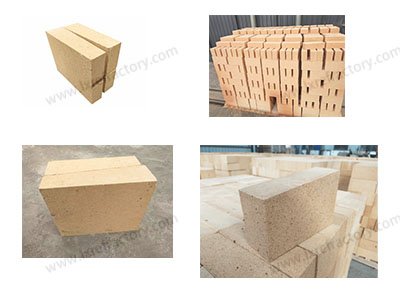
Different grades of aluminum bricks are suitable for different industry scenarios. High-grade alumina bricks are used in ultra-high temperature and highly corrosive conditions, while ordinary-grade alumina bricks are used in medium- and low-temperature scenarios. With its excellent comprehensive performance and high cost-effectiveness, it has become an indispensable core material in high-temperature industries, supporting the stable development of multiple industrial sectors.