Address
Building 1, Zone 1, Greenland Binhu International City, Zhengzhou, Henan, China
Work Hours
Monday to Friday: 9AM - 7PM
Weekend: 10AM - 6PM
Address
Building 1, Zone 1, Greenland Binhu International City, Zhengzhou, Henan, China
Work Hours
Monday to Friday: 9AM - 7PM
Weekend: 10AM - 6PM

Silicon bricks, as acidic refractory materials with high SiO₂ content, are widely used in high-temperature equipment such as coke ovens and glass kilns. During use, it is crucial to focus on temperature control, environmental protection, and daily maintenance to extend service life and ensure safe equipment operation.
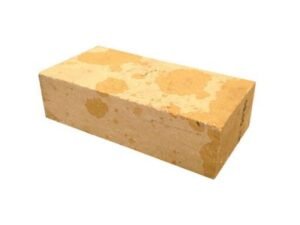
Temperature control is paramount; rapid heating and cooling must be avoided. Below 600℃, silicon bricks undergo significant volume expansion due to crystal transformation, which can easily lead to cracking. During heating, in the low-temperature stage (<600℃), the temperature increase should not exceed 50℃ per hour. Cooling down after furnace shutdown must be slow, especially below 200℃, where strict rate control is necessary. For long-term use, frequent temperature fluctuations should be avoided. For example, in glass kiln regenerators, flue gas temperature fluctuations should be controlled within ±50℃. When the blast furnace is shut down, the silicon brick temperature must be maintained at no less than 600℃.
Prevent alkaline corrosion and avoid contact with alkaline substances. Silicon bricks have strong resistance to acidic slag, but they easily react with alkaline materials such as lime and dolomite to form low-melting-point substances, leading to furnace lining erosion and spalling. Strict control of slag alkalinity is necessary to prevent the penetration of alkaline vapors or dust.
Proper moisture protection is crucial to prevent damage from dampness. The porous structure of silicon bricks easily absorbs moisture; when heated after absorbing moisture, water vapor can cause internal cracking. Before use, the bricks must be dried until the residual moisture content is below 1%. Waterproofing and moisture protection are essential during storage and transportation, and the ambient temperature for bricklaying must be above 10℃.
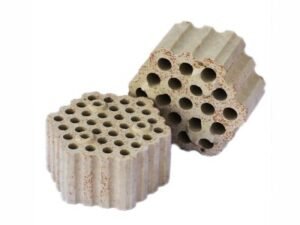
Enhanced daily maintenance is essential to prevent mechanical damage. Avoid frequent furnace start-ups and shutdowns and mechanical impacts during use. Regularly inspect the bricks for cracks and spalling, and repair any damage promptly. Also, avoid mixing with other refractory materials with significantly different coefficients of thermal expansion to prevent interfacial stress cracking.