Address
Building 1, Zone 1, Greenland Binhu International City, Zhengzhou, Henan, China
Work Hours
Monday to Friday: 9AM - 7PM
Weekend: 10AM - 6PM
Address
Building 1, Zone 1, Greenland Binhu International City, Zhengzhou, Henan, China
Work Hours
Monday to Friday: 9AM - 7PM
Weekend: 10AM - 6PM

In the metallurgical industry, fire bricks are an indispensable key basic material, bearing the important mission of resisting high temperatures and protecting the main structure of industrial furnaces and kilns, directly affecting the continuity, safety, and economy of metallurgical production. Metallurgical processes need to be carried out in high-temperature environments above 1000℃. From ironmaking and steelmaking to non-ferrous metal smelting, the furnace lining must possess excellent high-temperature resistance, and fire bricks are the core material that meets this core requirement.
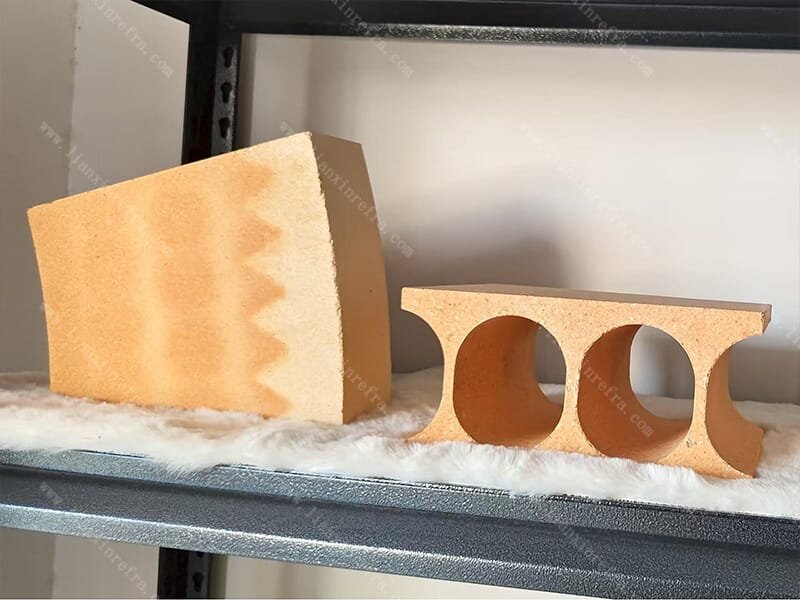
The performance requirements for fire bricks are extremely stringent. First and foremost is high-temperature volume stability, meaning no significant shrinkage or expansion under long-term high temperatures to prevent furnace lining cracking. Secondly, they must possess strength at both room and high temperatures to withstand the impact of furnace charge, airflow erosion, and their own weight. Simultaneously, they must have good slag resistance to resist the erosion and penetration of metallurgical slag, as well as certain thermal conductivity or insulation properties, adjusted according to the needs of different parts of the furnace and kiln.
Based on material composition, metallurgical fire bricks are mainly divided into silica refractory bricks, clay bricks, high-alumina bricks, and magnesia bricks. Siliceous bricks, primarily composed of SiO₂, exhibit outstanding high-temperature resistance and are commonly used in coke ovens and hot blast stoves. Clay bricks, with their lower cost and good plasticity, are widely used in non-critical parts of blast furnaces and converters. High-alumina bricks, with their high aluminum content, offer superior strength and slag resistance compared to clay refractory bricks, making them a common lining material for electric arc furnaces and ladles in steelmaking. Magnesia bricks, on the other hand, possess extremely strong resistance to alkaline slag and are the core lining material for alkaline open-hearth furnaces and magnesia-alumina refractory brick refining furnaces.
In practical applications, appropriate fire bricks must be selected based on the different parts and process conditions of the metallurgical furnace. For example, the blast furnace hearth and bottom, subjected to the scouring of high-temperature molten iron, often utilize high-density, high-thermal-conductivity carbon composite fire bricks; while the upper and middle parts of the furnace body can use lightweight fire bricks with better thermal insulation properties to reduce heat loss. As the metallurgical industry develops towards larger scale and higher efficiency, fire bricks are also continuously being upgraded. New products such as low-creep high-alumina bricks and monolithic fire bricks are providing more reliable guarantees for improving the quality and efficiency of metallurgical production.
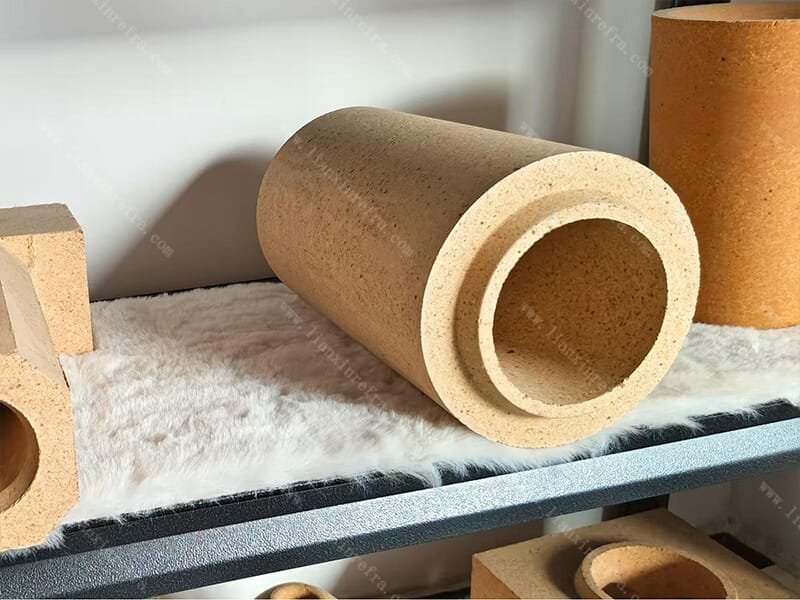
Henan Ruitailianxin Refractory Materials Co., Ltd is a modern R&D-centered refractory manufacturer manufacturing enterprise integrated with refractories sales and marketing, furnace engineering construction, recycling and sales of waste refractories as well as refractory raw material, technology and goods import and export, and technical services. If you have any needs for refractory materials, please contact us and we will provide you with the best service.