Address
Building 1, Zone 1, Greenland Binhu International City, Zhengzhou, Henan, China
Work Hours
Monday to Friday: 9AM - 7PM
Weekend: 10AM - 6PM
Address
Building 1, Zone 1, Greenland Binhu International City, Zhengzhou, Henan, China
Work Hours
Monday to Friday: 9AM - 7PM
Weekend: 10AM - 6PM

Non-ferrous metal smelting kilns operate under harsh conditions of high temperature, strong corrosion, and molten slag erosion. The performance of the refractory bricks directly determines the kiln’s service life and production stability. Therefore, it is essential to select specialized refractory bricks with excellent corrosion resistance, erosion resistance, and thermal stability.
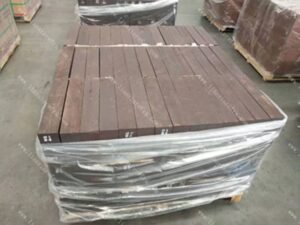
Magnesium-chrome bricks are a core material for critical components of smelting kilns. Made from high-purity magnesia and chromite, they have a refractoriness exceeding 2000℃ and outstanding resistance to alkaline slag erosion. They are suitable for the linings of converters and refining furnaces, as well as vulnerable areas such as tapholes, effectively resisting the dual erosion of molten non-ferrous metals and slag.
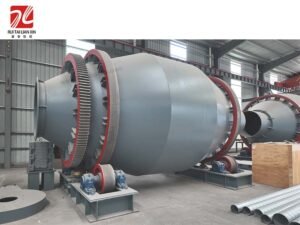
Alumina-magnesia-carbon bricks combine alumina, magnesia, and carbon materials, possessing both high-temperature strength and thermal shock resistance. With a low coefficient of thermal expansion, they are suitable for large-area linings such as kiln walls and bottoms. They are widely used in copper, aluminum, and zinc smelting kilns, reducing brick spalling and cracking under high-temperature conditions.
For medium- and high-temperature zones such as the preheating and transition sections of kilns, high-alumina bricks, with their high alumina content, offer excellent refractoriness and thermal shock resistance, providing superior cost-effectiveness and making them suitable as auxiliary lining materials. When selecting bricks, it is essential to match the brick specifications to the type of smelting product and the operating conditions of the kiln location. Simultaneously, strict control over the quality of bricklaying, proper joint filling, and overall insulation are crucial to maximizing the performance of the refractory bricks, reducing kiln maintenance costs, and ensuring continuous and efficient non-ferrous metal smelting production.