Address
Building 1, Zone 1, Greenland Binhu International City, Zhengzhou, Henan, China
Work Hours
Monday to Friday: 9AM - 7PM
Weekend: 10AM - 6PM
Address
Building 1, Zone 1, Greenland Binhu International City, Zhengzhou, Henan, China
Work Hours
Monday to Friday: 9AM - 7PM
Weekend: 10AM - 6PM

Magnesia spinel fire bricks are alkaline refractory fire bricks with periclase (MgO) and magnesia-alumina spinel (MgAl₂O₄) as the main mineral phases. They are high-performance refractory materials, combining the high refractoriness and alkali resistance of periclase with the thermal shock resistance and slag erosion resistance of magnesia-alumina spinel. They are widely used in key components of high-temperature kilns in metallurgy and building materials industries.
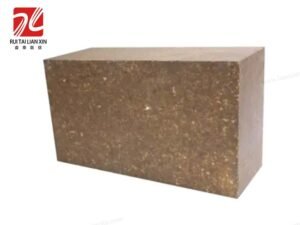
The core chemical indicators are the content of magnesium oxide and aluminum oxide, while strictly limiting the proportion of impurities such as silicon dioxide, iron oxide, and calcium oxide to ensure the material’s high-temperature performance.
Magnesium oxide is crucial for ensuring the material’s high refractoriness and resistance to alkaline slag erosion, while aluminum oxide is used to generate the magnesia-alumina spinel phase, enhancing the material’s thermal shock resistance and resistance to iron oxide slag erosion.
Physical indicators directly determine the density, strength, thermal shock resistance, and high-temperature service capability of magnesia spinel fire bricks, serving as key criteria for product selection and acceptance.
Bulk Density:
Higher density results in stronger slag penetration resistance and structural strength, leading to a longer service life.
Apparent Porosity:
Low porosity reduces the channels for molten slag to penetrate the brick, improving its erosion resistance.
Room Temperature Compressive Strength: This indicator reflects the brick’s resistance to breakage during transportation, construction, and room temperature conditions.
This temperature is a core indicator of the material’s resistance to deformation under high-temperature and high-pressure conditions. A higher value indicates a higher upper limit for applicable kiln operating temperatures.
Linear Change Rate:
A smaller fluctuation range in the linear change rate indicates better volume stability at high temperatures, reducing the likelihood of lining cracking due to volume shrinkage or expansion after construction.
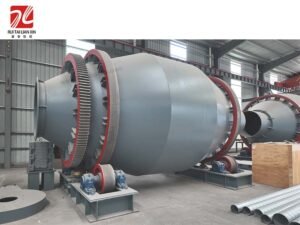
Iron and Steel Metallurgy Industry:
It is a core material for steel ladle linings, capable of withstanding molten steel scouring and slag erosion.
Cement and Building Materials Industry:
Used in the transition and firing zones of cement rotary kilns. It can resist the erosion of high-temperature clinker, alkaline vapor corrosion, and the effects of rapid heating and cooling, extending the service life of the kiln lining.
Non-ferrous Metallurgy and Other Fields:
Suitable for aluminum electrolytic cell linings, copper-nickel smelting furnaces, and other equipment. It can also be used in high-temperature devices. Such as waste incinerators and petrochemical cracking furnaces to cope with complex corrosion and temperature environments.