Address
Building 1, Zone 1, Greenland Binhu International City, Zhengzhou, Henan, China
Work Hours
Monday to Friday: 9AM - 7PM
Weekend: 10AM - 6PM
Address
Building 1, Zone 1, Greenland Binhu International City, Zhengzhou, Henan, China
Work Hours
Monday to Friday: 9AM - 7PM
Weekend: 10AM - 6PM

Choosing the right refractory material is crucial to ensuring the efficiency, safety, and service life of the furnace. The right choice can reduce downtime, improve thermal performance, and lower overall production costs.
The following key factors need to be considered when selecting refractory materials.
First, you need to assess your furnace environment before purchasing suitable refractory materials. The following are important conditions.
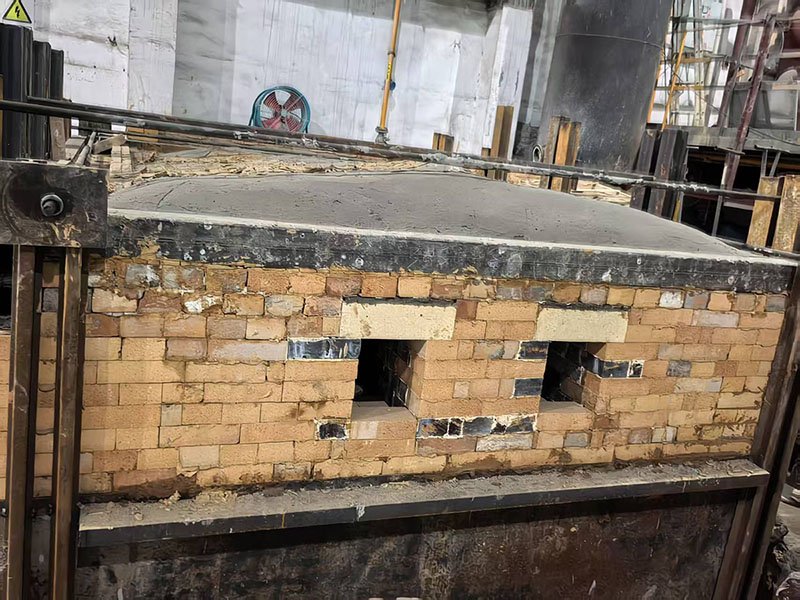
① Maximum operating temperature;
② Thermal shock frequency;
③ Exposure to chemical substances (slag, molten metal, gases);
④ Mechanical load and wear;
⑤ Furnace atmosphere (oxidizing or reducing).
For example, steelmaking furnaces using alkaline slag require alkaline refractory materials such as magnesium-based products, while high-alumina materials are widely used in cement furnaces and general industrial furnaces.
Based on their chemical properties, refractory materials are generally classified into three categories.
① Acidic refractory materials – suitable for acidic environments;
② Alkaline refractory materials – suitable for steelmaking and alkaline slag;
③ Neutral refractory materials – adaptable to various conditions.

Choosing chemically incompatible materials can lead to rapid corrosion and premature failure.
Key performance characteristics include: fire resistance (maximum service temperature), thermal shock resistance, thermal conductivity, cold compressive strength, and abrasion resistance.
Furnaces and kilns with frequent temperature changes require materials with excellent thermal shock resistance, while high-wear areas require stronger mechanical properties.
The choice between irregularly shaped refractory materials and monolithic refractory materials also requires specific analysis.
Refractory bricks possess structural stability and precise dimensions.
Unshaped refractory materials (castables, rammed mixes) have fewer joints, are easier to install, and have better overall integrity.
Modern industrial furnaces are increasingly using unshaped refractory materials to improve efficiency and reduce maintenance.
There is no one-size-fits-all solution when it comes to choosing refractory materials. The right choice depends on your furnace design, operating conditions, and production process.

At the same time, by partnering with experienced manufacturers, you can maximize the lifespan of your furnace and optimize production efficiency.
Henan Ruitai Lianxin Refractory Materials Co., Ltd. not only provides customers with high-quality refractory bricks that meet quality standards, but also offers solutions tailored to specific kiln operating conditions. Please feel free to contact us if you have any needs.
Choosing Ruitai Lianxin means choosing strength.