Address
Building 1, Zone 1, Greenland Binhu International City, Zhengzhou, Henan, China
Work Hours
Monday to Friday: 9AM - 7PM
Weekend: 10AM - 6PM
Address
Building 1, Zone 1, Greenland Binhu International City, Zhengzhou, Henan, China
Work Hours
Monday to Friday: 9AM - 7PM
Weekend: 10AM - 6PM


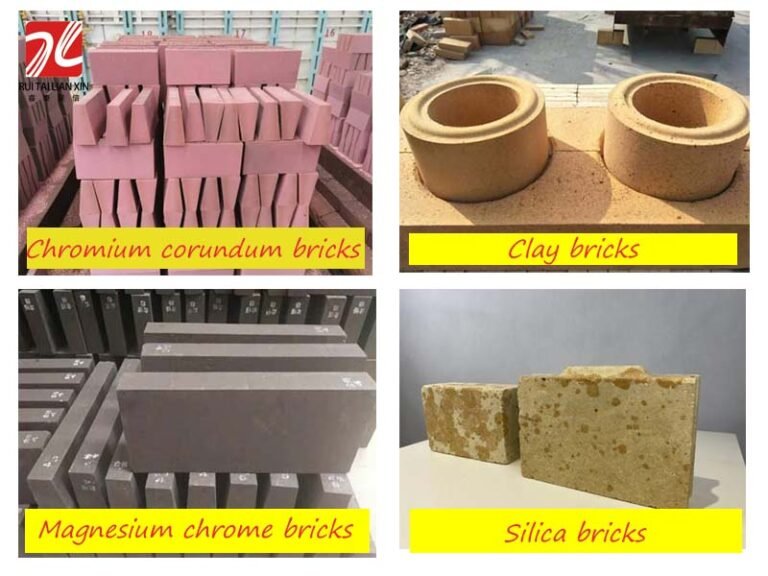
Cement kilns operate under complex conditions, requiring resistance to high temperatures, alkali erosion, and material scouring. The suitability of refractory bricks directly determines the kiln’s lifespan and production efficiency. Henan Ruitai Lianxin Refractory Materials Co., Ltd. specializes in cement kiln…
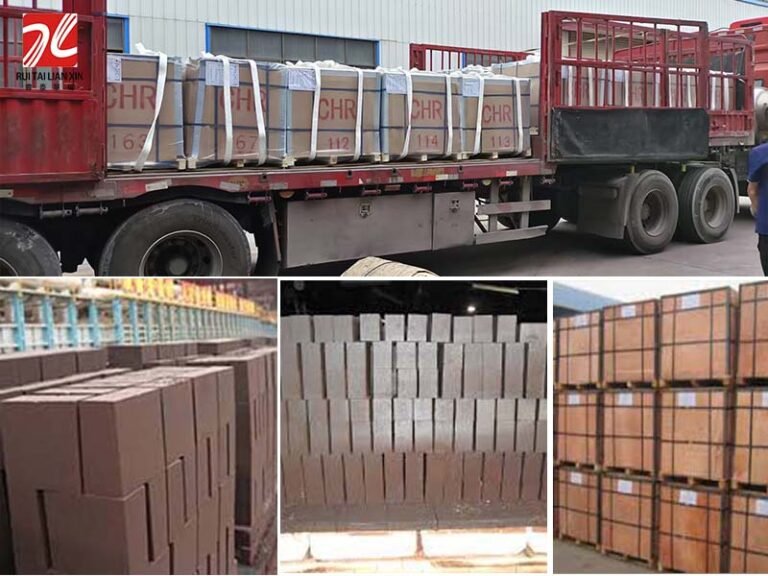
The quality of construction directly determines the service life of the kiln. Under high-temperature conditions, standardized construction can effectively delay damage and reduce production costs for enterprises. Henan Ruitai Lianxin Refractory Materials Co., Ltd. has been deeply involved in the…
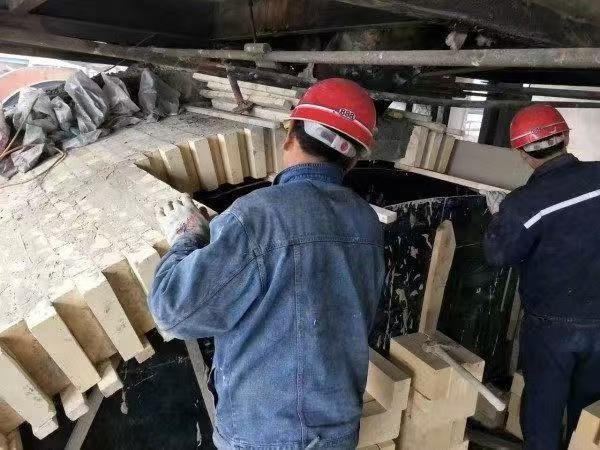
The quality of refractory brick construction directly determines the service life of the kiln. Different furnace types have significantly different operating conditions, requiring tailored construction techniques. Henan Ruitai Lianxin Refractory Materials Co., Ltd., with years of experience in the industry,…
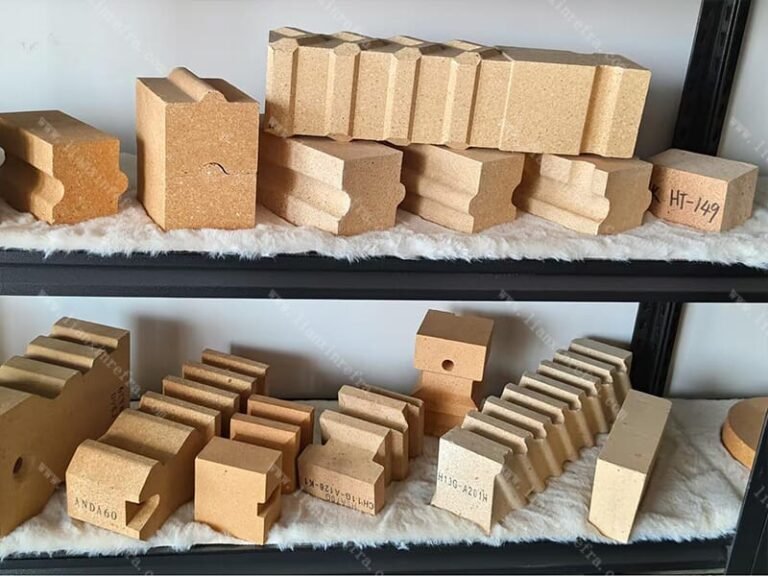
Refractory bricks are an indispensable basic material in high-temperature industries. With their excellent high-temperature resistance and corrosion resistance, they are widely used in metallurgy, cement, glass, and many other fields. Mainstream Commonly Used Refractory Brick Categories and Characteristics 1. High-Alumina…
Glass furnaces are the core equipment in glass production, operating at temperatures exceeding 1500℃ for extended periods, and enduring multiple challenges including molten glass erosion and thermal shock. Fire bricks, as a crucial lining material in glass furnaces, directly determine…
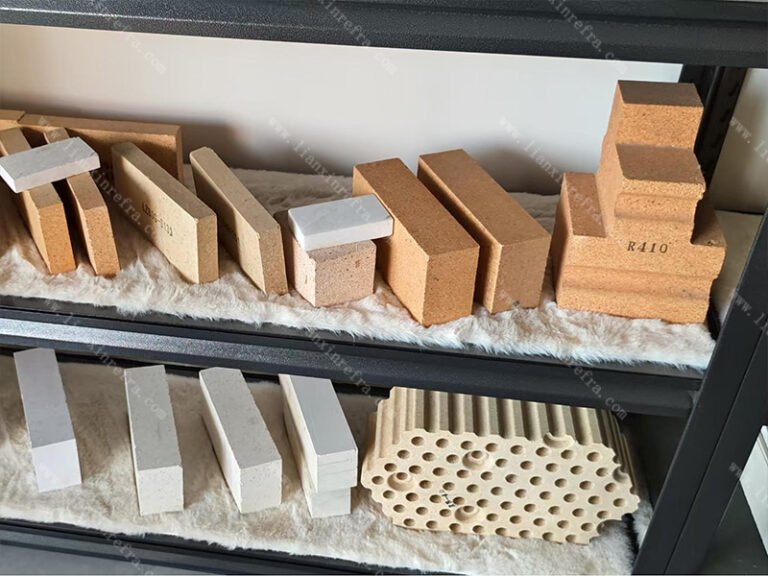
Fire bricks, with their excellent high-temperature resistance, erosion resistance, and structural stability, have become the first choice for many high-temperature scenarios. Compared to ordinary wall bricks such as red bricks and blue bricks, or decorative bricks such as permeable bricks…
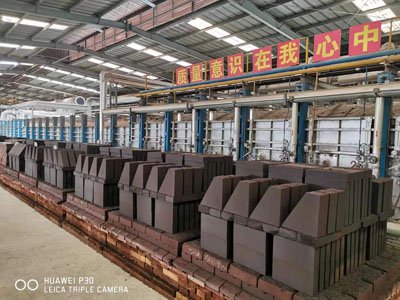
In industries such as metallurgy, building materials, and chemicals, which involve high-temperature operations, fire bricks are indispensable core protective materials. They not only withstand extreme temperatures of over 1000 degrees Celsius but also reduce heat loss, protect equipment, and directly…
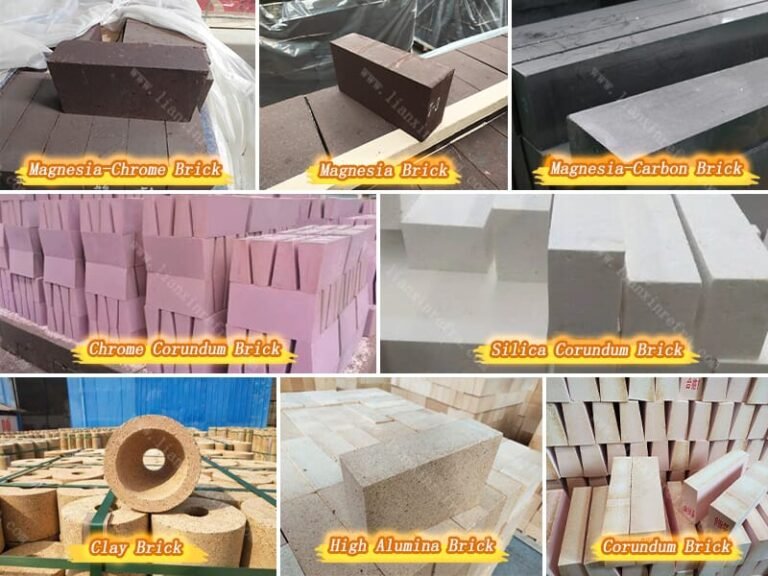
Fire bricks are the “protective clothing” of high-temperature kilns, and their quality directly affects production safety and efficiency. The market is flooded with manufacturers of varying quality, and inferior products are prone to high-temperature cracking, erosion, and flaking, ultimately increasing…
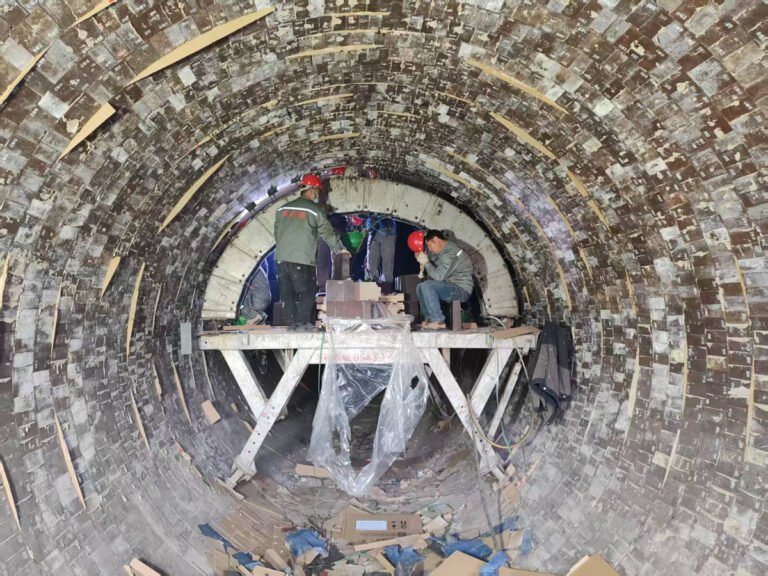
In high-temperature industrial applications, the “high temperature resistance” label of refractory fire bricks is widely recognized. However, compared to ordinary bricks like red bricks and ceramic bricks, specific types of refractory fire bricks, such as high-alumina bricks and clay bricks,…
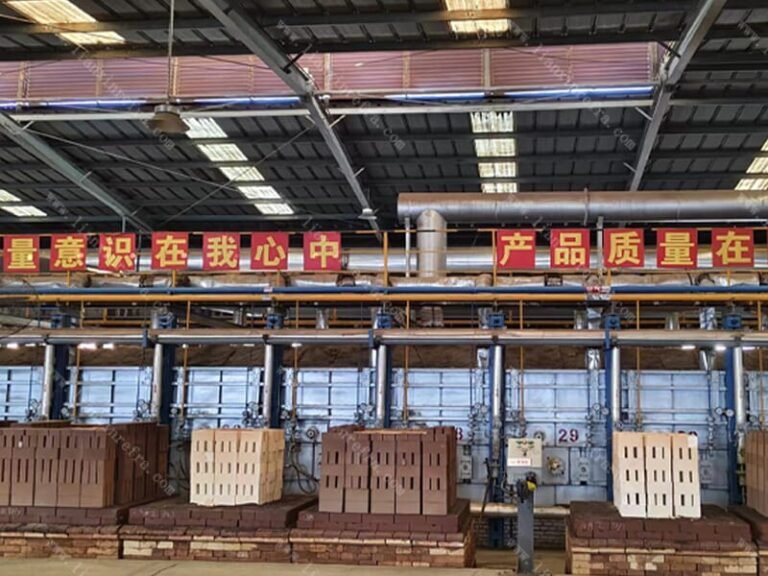
Refractory fire bricks serve as a “protective barrier” for industrial kilns, directly impacting their service life, operational efficiency, and production safety. Different kiln types exhibit significant differences in their working environment, temperature profiles, and media characteristics, leading to varying requirements…