Address
Building 1, Zone 1, Greenland Binhu International City, Zhengzhou, Henan, China
Work Hours
Monday to Friday: 9AM - 7PM
Weekend: 10AM - 6PM
Address
Building 1, Zone 1, Greenland Binhu International City, Zhengzhou, Henan, China
Work Hours
Monday to Friday: 9AM - 7PM
Weekend: 10AM - 6PM

Alumina bricks, characterized by high refractoriness and good thermal stabilityare widely used in reverberatory furnaces for non-ferrous metal smelting.
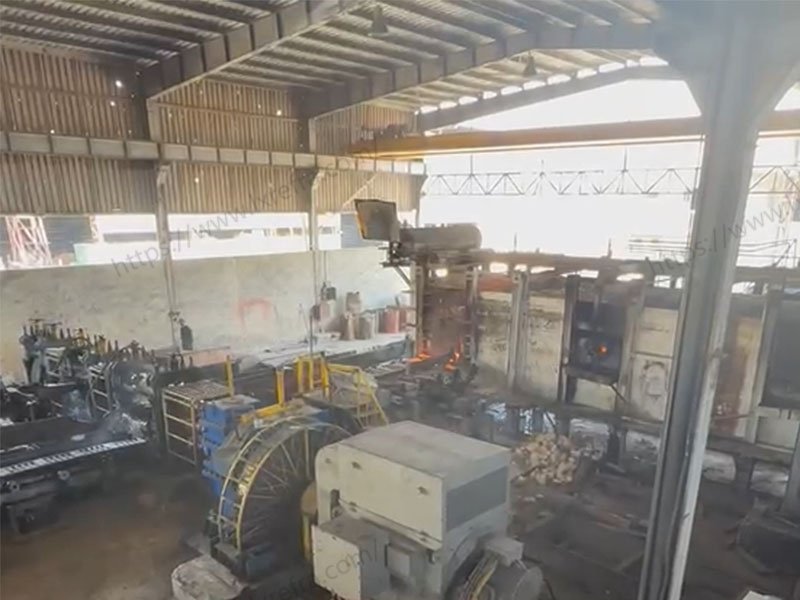
During operation, the furnace temperature ranges from 1200-1450 degrees Celsius. Frequent start-ups and shutdowns during charging and discharging slag necessitate bricks with good thermal stability. Chemical reactions occur during smelting, producing flue gas and weakly alkaline slag, requiring bricks with good corrosion resistance.
Excellent refractoriness; high aluminum content allows for a refractoriness temperature up to 1700 degrees Celsius. So It can withstand long-term high-temperature operation in reverberatory furnaces without easily softening or deforming, exhibiting strong structural stability.
Good thermal shock resistance; effectively resists stress caused by temperature fluctuations, preventing cracking and spalling.
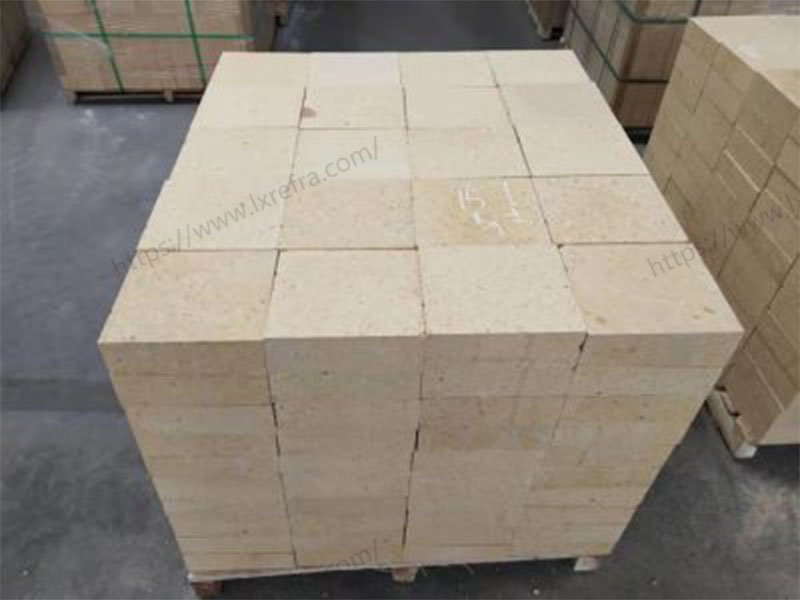
Chemically stable: alumina bricks are near-neutral in nature. Effectively resists industrial flue gas and corrosion, making them suitable for the operating conditions of reverberatory furnaces in non-ferrous metal smelting.
Alumina Brick Characteristics:Compared to high-end refractory materials, it can effectively control production and maintenance costs while ensuring furnace protection.
Depending on operating conditions, high-quality aluminum bricks are mainly used in high-temperature areas. Ordinary quality bricks are mainly used in low-temperature areas such as flues. This balances performance and cost.
Proper selection and installation of aluminum bricks can effectively reduce furnace wear and extend furnace life.
If you are interested, please contact us. Henan Ruitai Lianxin Refractory Materials Co., Ltd. can provide you with professional refractory lining solutions.