Address
Building 1, Zone 1, Greenland Binhu International City, Zhengzhou, Henan, China
Work Hours
Monday to Friday: 9AM - 7PM
Weekend: 10AM - 6PM
Address
Building 1, Zone 1, Greenland Binhu International City, Zhengzhou, Henan, China
Work Hours
Monday to Friday: 9AM - 7PM
Weekend: 10AM - 6PM

As the “skeleton” of high-temperature industrial kilns, the performance of refractory materials directly affects the efficiency and safety of production operations. For procurement personnel, a comprehensive understanding of the characteristics of various kiln bricks is the foundation for developing a scientific procurement plan.
In the industrial sector, bricks used in kilns are mainly classified according to their chemical and mineral composition to adapt to different thermal conditions.
Acidic bricks are mainly represented by silica bricks. The main component of this type of brick is silicon dioxide (SiO2). This type of brick has an extremely high load softening temperature at high temperatures and strong oxidation resistance.
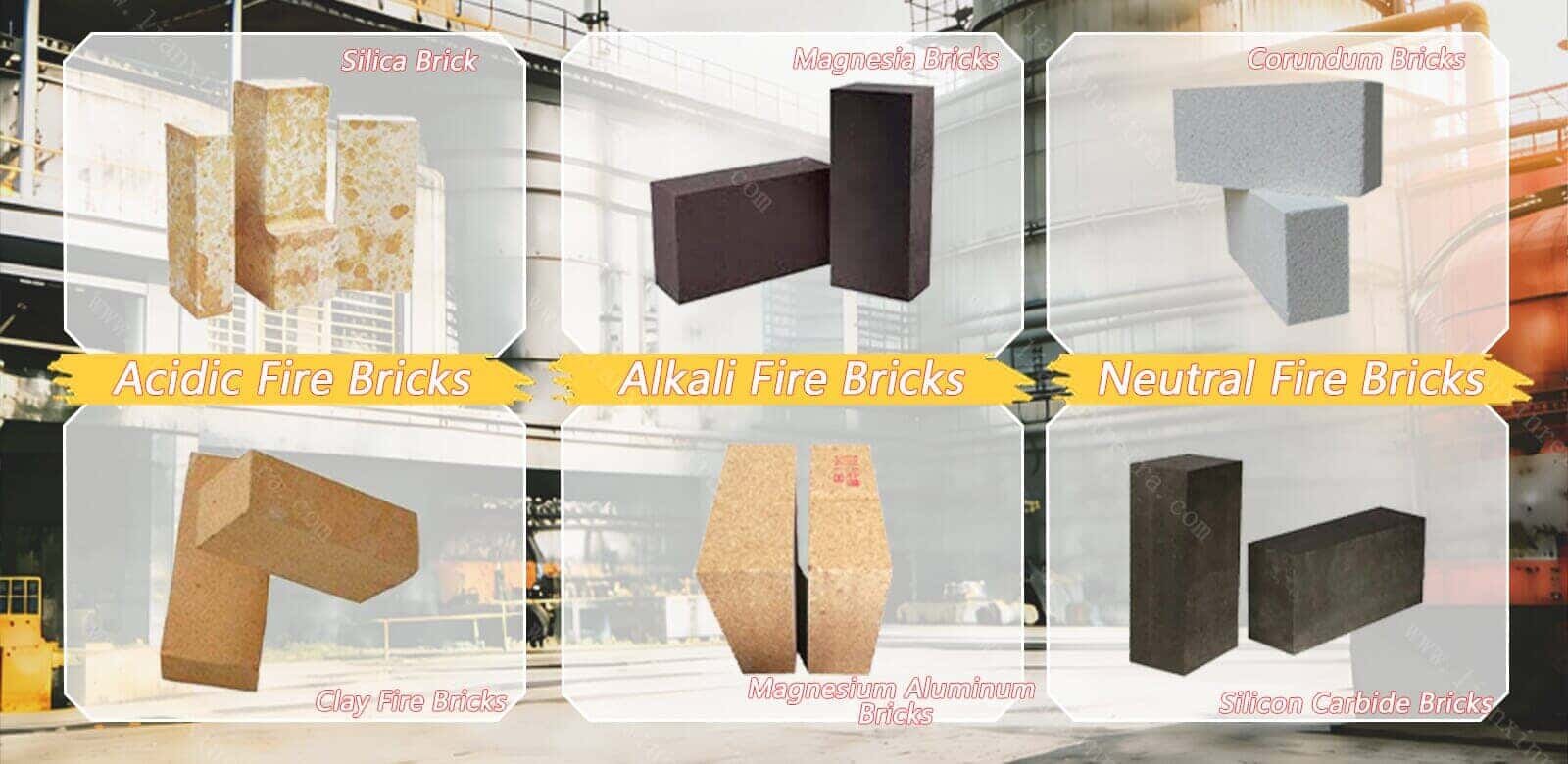
Therefore, it is often used in the dome of glass melting furnaces or the carbonization chamber of coke ovens.
However, acid bricks are less resistant to alkaline substances and are easily damaged by chemical reactions with alkaline slag.
Alkaline bricks, such as magnesia bricks, are mainly composed of magnesium oxide (MgO). Its most significant advantage lies in its strong resistance to erosion by alkaline slag, making it the preferred material for cement rotary kiln calcination zones and steelmaking furnace linings.
Neutral kiln bricks, such as high-alumina bricks, are often used as transition layer materials due to their good thermal stability.
Regardless of the application scenario, selecting high-quality refractory bricks is the key to ensuring the longevity of the kiln.
Different industrial kilns have significantly different performance requirements for refractory materials.
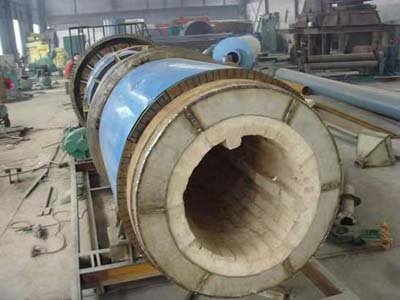
In blast furnaces and hot blast stoves in the metallurgical industry, high-alumina and corundum alloys are often recommended.
Cement kilns in the building materials industry not only require bricks to be resistant to high temperatures, but also to have good thermal shock stability. Therefore, magnesium aluminum spinel bricks and silicon mullite bricks are widely used.
For glass kilns, high-quality silica bricks or fused zirconia-corundum bricks are often used.
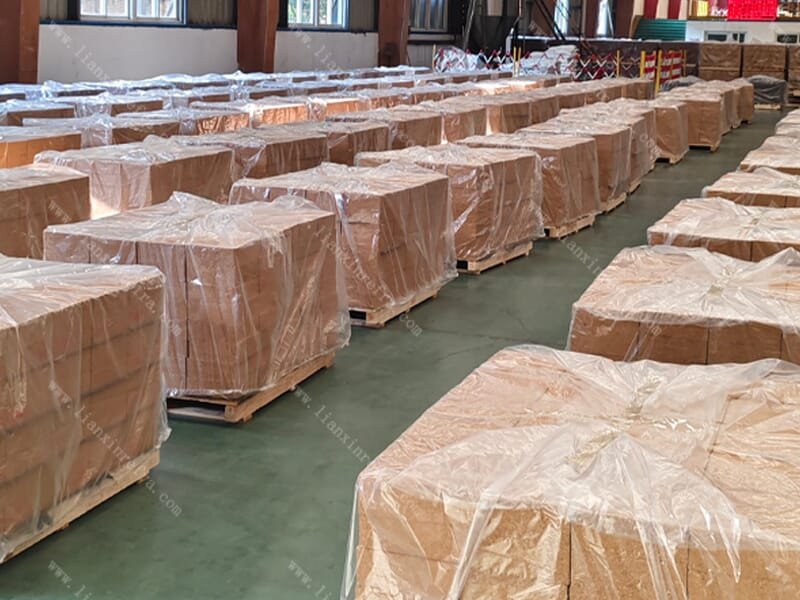
A reliable refractory brick supplier should be able to provide a full range of services, from brick design and matching solutions to construction guidance. It is recommended that companies thoroughly investigate the refractory brick manufacturer’s production qualifications, testing capabilities, and industry service experience before purchasing to ensure that the selected materials are precisely matched to the kiln’s operating conditions.
Henan Ruitai Lianxin Refractory Materials Co., Ltd. boasts 20 years of experience in refractory material production. We not only provide customers with high-quality refractory bricks that meet our standards, but also offer optimal kiln operation solutions and installation services. Please feel free to contact us if you have any needs.
Choosing Ruitai Lianxin means choosing strength.