Address
Building 1, Zone 1, Greenland Binhu International City, Zhengzhou, Henan, China
Work Hours
Monday to Friday: 9AM - 7PM
Weekend: 10AM - 6PM
Address
Building 1, Zone 1, Greenland Binhu International City, Zhengzhou, Henan, China
Work Hours
Monday to Friday: 9AM - 7PM
Weekend: 10AM - 6PM

The core component of silica bricks is SiO₂ (silicon dioxide), supplemented with small amounts of additives and impurities. They are acidic refractory bricks made primarily from quartz raw materials, which undergo a crystal transformation during high-temperature calcination.
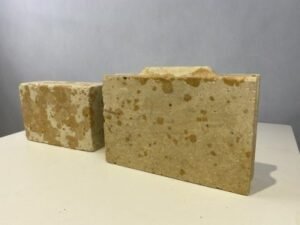
This is the most crucial refractory performance indicator for silica bricks and a temperature-based criterion closely reflecting actual working conditions. The test condition is the temperature at which the brick deforms by 4% under a static load of 0.2 MPa. In practical applications, silica bricks are often used under load, such as in coke oven carbonization chambers where they are subjected to the weight of the furnace body and gas pressure. So This indicator directly determines their upper limit of load-bearing capacity under high-temperature loads.
This is the basic indicator for classifying silica brick grades, characterizing the melting limit of silica bricks under no-load conditions. This indicator is directly determined by the purity of SiO₂ and the impurity content. However, due to the heavy loads often present in actual working conditions, this indicator is only for reference and should not be used as the sole basis for selecting high-temperature core components. So It is primarily used to mitigate the risk of low-temperature softening of silica bricks and is suitable for auxiliary working conditions. Such as flues with no load and minimal corrosion.
This is a unique characteristic indicator of silica bricks. The test condition is the volume change rate measured after being kept at 1450℃ for 2 hours and then cooled to room temperature. Due to the high-temperature transformation of the internal quartz crystal structure, silica bricks possess the characteristic of high-temperature micro-expansion. This characteristic can naturally fill gaps in the kiln lining. In order to eliminating the need for additional grouting, which is a significant advantage.
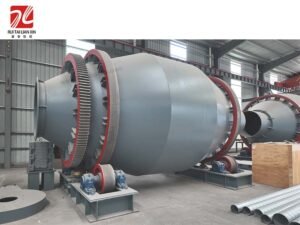
Core components of coke ovens in the coking industry: Coke oven carbonization chambers, furnace tops, regenerators, etc., utilizing micro-expansion to fill brick gaps and resist high-temperature gas erosion.
Glass kiln regenerators and upper melting pools: Resistant to acidic flue gas and high temperatures.
Metallurgical hot blast stove high-temperature sections and blast furnace flues: Resistant to acidic furnace gases.
It is suitable for acidic kilns and high-temperature flues in the building materials and chemical industries. And it is not suitable for medium- and high-temperature acidic working conditions. It should not be used in environments with sudden temperature changes or strong alkaline media.