Address
Building 1, Zone 1, Greenland Binhu International City, Zhengzhou, Henan, China
Work Hours
Monday to Friday: 9AM - 7PM
Weekend: 10AM - 6PM
Address
Building 1, Zone 1, Greenland Binhu International City, Zhengzhou, Henan, China
Work Hours
Monday to Friday: 9AM - 7PM
Weekend: 10AM - 6PM

Refractory bricks for kilns are widely used in various industrial fields such as cement, ceramics, metallurgy, glass, and chemicals. Mature adaptation solutions have been developed for the characteristics of kilns in different industries:

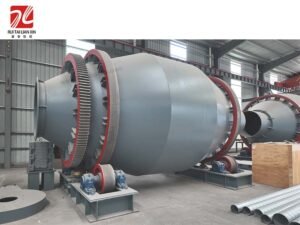
The firing zone of cement rotary kilns use magnesia-chrome bricks and magnesia-alumina spinel bricks; The transition zone use high-alumina wear-resistant bricks. The preheating zone use clay refractory bricks. In order to achieving precise adaptation throughout the kiln section and ensuring the continuity and stability of cement calcination.
The high-temperature section of ceramic firing kilns use high-alumina bricks. The low-temperature preheating section use clay refractory bricks. Corundum-mullite bricks are used in high-end scenarios such as electric porcelain kilns and special ceramic kilns to meet the calcination requirements of different ceramic products.
The lining of steelmaking converters and electric furnaces use magnesia-carbon refractory bricks. The hot blast stoves of ironmaking blast furnaces use high-alumina and clay refractory bricks. Non-ferrous metal smelting kilns use chrome-magnesia or magnesia bricks. In order to adapting to the extreme operating conditions of different metallurgical processes.
The regenerator of glass melting furnaces use silica bricks; fused zirconia-corundum bricks are used in the melting pool to ensure high-temperature stability during glass melting.
Core Standards for Selecting High-Quality Refractory Bricks
First, raw material purity. High-purity raw materials are the foundation for ensuring refractory performance. For example, high-alumina bricks require high-quality bauxite, and magnesia-carbon bricks require high-grade magnesia and flake graphite.
Second, production process. Advanced molding processes and calcination technologies (such as high-temperature calcination in tunnel kilns) can improve the density and strength of the bricks.
Third, testing standards. Multiple indicators, including compressive strength, flexural strength, refractoriness, and thermal shock resistance, must be tested to ensure product performance meets standards.
Refractory bricks for kilns are the “lifeline” of industrial kilns. Their quality and selection directly determine the kiln’s operating efficiency and the company’s production benefits. Whether in general low- and medium-temperature applications or high-temperature extreme corrosion conditions, the type of refractory brick must be precisely selected based on the characteristics of the operating conditions. We can provide customized refractory brick solutions according to your specific kiln type, operating temperature, atmosphere, and other requirements, helping your kiln to operate stably for a long time, reducing costs and increasing efficiency.